


Stablecoins used to be reviewed mainly through a market lens: liquidity, peg stability, issuer reputation, blockchain support, and exchange availability. That view is no longer enough. As stablecoin rules become more formal across major jurisdictions, due diligence is shifting from “Does this token hold its value?” to “Can this arrangement survive legal, operational, liquidity, and compliance scrutiny?”
For institutions, stablecoin regulatory due diligence is becoming part of a broader digital asset compliance framework. The review now has to cover the issuer, reserves, redemption rights, banking partners, sanctions controls, disclosures, wallet restrictions, custody architecture, and the role the stablecoin plays in settlement workflows.
That change does not make stablecoins simple. It makes the questions more precise.
Regulation Moves Stablecoins From Product Review to Infrastructure Review
Stablecoins are no longer just digital cash substitutes used inside trading venues. They increasingly sit near payment systems, tokenized asset settlement, collateral transfers, treasury operations, and cross-border liquidity movement. That is why regulators are looking beyond token design.
The Financial Stability Board’s global stablecoin recommendations focus on regulation, supervision, oversight, governance, and cross-border coordination for stablecoin arrangements. Its 2025 review also found that jurisdictions have made progress on crypto regulation, but stablecoin implementation remains uneven, creating gaps that can affect financial stability and oversight consistency.
For institutions, that uneven landscape changes the diligence process. A stablecoin issued under one legal regime may not meet the same standards as one issued elsewhere. A token may have strong liquidity on-chain but weaker redemption documentation. Another may disclose reserves, but not enough about custodians, banking concentration, or stress procedures.
The due diligence file now has to connect market behavior with regulatory status.
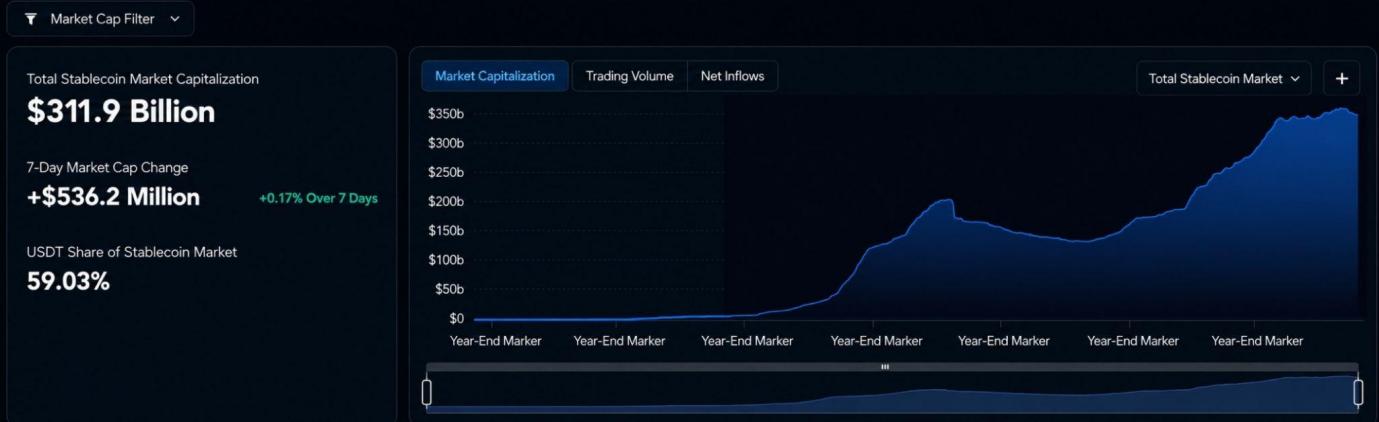
Reserve Quality Becomes the First Review Layer
Reserve backing is the core promise behind most fiat-referenced stablecoins. Yet “backed” can mean different things depending on the issuer, jurisdiction, asset mix, custody structure, and disclosure standard.
Institutional teams should ask what assets sit in reserve, how often reserve composition is disclosed, who verifies it, where the assets are held, and how quickly those assets could be liquidated under redemption pressure. U.S. policy has moved in this direction. The GENIUS Act, signed into law in 2025, requires payment stablecoin issuers to maintain 100% reserve backing with liquid assets such as U.S. dollars or short-term Treasuries and to publish monthly reserve composition disclosures.
That type of rule changes diligence expectations. A reserve report is no longer just a comfort document. It becomes a compliance artifact that should be reviewed against issuer obligations, liquidity needs, operational controls, and concentration risk.
For example, if reserves rely heavily on short-duration government securities, the review should ask how settlement, custody, and liquidation would work during a redemption spike. If reserves are spread across banking partners, the review should examine counterparty exposure and continuity planning. These details matter for stablecoin liquidity infrastructure, especially when the token supports large-value movement.
Redemption Rights Are Now a Legal and Operational Question
A stablecoin’s value depends not only on reserves but also on whether holders can redeem under clear, enforceable terms. The question is not simply whether redemption is advertised. Institutions need to know who can redeem, at what value, through which entity, within what timeframe, and under what restrictions.
Europe’s Markets in Crypto-Assets framework separates asset-referenced tokens and e-money tokens and requires relevant authorization for issuers operating in the EU. The European Banking Authority has also issued guidance on redemption plans under MiCA, including reserve liquidation strategies, critical activity mapping, redemption claims, process steps, and triggers for crisis handling.
This makes redemption planning part of due diligence. Institutions should review whether redemption terms match internal liquidity assumptions. A token that trades near par in secondary markets may still introduce risk if direct redemption is limited to certain customers, minimum sizes, business hours, or jurisdictions.
A serious digital asset risk management process should separate secondary market liquidity from issuer redemption rights. They are related, but not identical.
Issuer Governance and Banking Relationships Need More Scrutiny
Stablecoins depend on entities. That includes the issuer, reserve managers, custodians, banking partners, auditors, blockchain operators, compliance vendors, and sometimes affiliated market makers. Regulation puts more pressure on how those parties are governed.
The diligence review should identify who makes reserve decisions, who can pause issuance or redemption, who controls smart contract upgrades, and how conflicts of interest are managed. If the stablecoin has freeze, burn, blacklist, or transfer-control functions, institutions need to understand the governance process behind those controls.
Banking relationships are just as important. A stablecoin issuer can publish reserve disclosures, but institutions still need to understand banking concentration, access to payment rails, settlement timing, and contingency plans if a bank relationship changes. A stablecoin used for intraday liquidity or settlement cannot be reviewed only as a token. It has to be reviewed as a connected operating structure.
This is where digital asset internal controls become practical. Teams may need documented policies for approved issuers, permitted chains, wallet controls, transaction monitoring, counterparty review, and escalation paths when an issuer changes its disclosures or regulatory status.
Sanctions Screening Extends Into Wallet and Transaction Design
Stablecoin regulation also sharpens sanctions and anti-money-laundering review. The U.S. GENIUS Act subjects stablecoin issuers to Bank Secrecy Act obligations, including AML and sanctions compliance programs, risk assessments, sanctions list verification, and customer identification. It also requires technical capability to freeze, seize, or burn payment stablecoins when legally required.
For institutions, this raises several operational questions. Does the issuer screen primary issuance and redemption customers only, or does it also monitor on-chain flows? Which wallet addresses are restricted? Can tokens be frozen at the contract level? How are false positives handled? Who receives notice when funds are frozen?
These questions matter for firms building around digital asset consulting for compliance or internal policy design. Sanctions controls can affect settlement finality, liquidity access, and customer experience. A transfer that appears complete on-chain may still be subject to legal intervention if the token contract includes compliance controls.
Due Diligence Should Become a Living Framework
Stablecoin diligence cannot be a one-time review. Issuers can change reserve composition, banking partners, supported chains, terms of service, attestations, smart contract permissions, or jurisdictional strategy. Regulations can also shift quickly.
A living review framework should monitor reserve reports, audit or attestation updates, redemption terms, issuer licensing, regulatory actions, wallet restrictions, chain-specific risk, and liquidity behavior during market stress. It should also define what triggers renewed review: a depeg event, delayed redemption, banking disruption, enforcement action, disclosure change, or smart contract upgrade.
Kenson readers exploring stablecoin market education and digital asset risk management resources should treat stablecoin diligence as part of institutional infrastructure readiness, not as a narrow token checklist. For broader market context, Kenson’s blockchain and digital asset consulting resources help frame how compliance, settlement, and operational controls fit together.
Strengthen Stablecoin Review Before Market Use Expands
Stablecoin regulation is changing the institutional review process in a useful way. It pushes market participants to ask harder questions about reserves, redemption, disclosures, governance, sanctions controls, banking dependencies, and operating resilience.
That level of review does not remove risk. It makes risk easier to identify, compare, and monitor.
Kenson Investments helps informed market participants follow these shifts with an education-first lens. To keep building a clearer understanding of regulated digital money, tokenization, and compliance-aware market infrastructure, explore our digital asset market education resources.
Disclaimer: The information provided on this page is for educational and informational purposes only and should not be construed as financial advice. Crypto currency assets involve inherent risks, and past performance is not indicative of future results. Always conduct thorough research and consult with a qualified financial advisor before making investment decisions.
“The crypto currency and digital asset space is an emerging asset class that has not yet been regulated by the SEC and US Federal Government. None of the information provided by Kenson LLC should be considered as financial investment advice. Please consult your Registered Financial Advisor for guidance. Kenson LLC does not offer any products regulated by the SEC including, equities, registered securities, ETFs, stocks, bonds, or equivalents”
blecoin due diligence.
Due Diligence Should Become a Living Framework
Stablecoin diligence cannot be a one-time review. Issuers can change reserve composition, banking partners, supported chains, terms of service, attestations, smart contract permissions, or jurisdictional strategy. Regulations can also shift quickly.
A living review framework should monitor reserve reports, audit or attestation updates, redemption terms, issuer licensing, regulatory actions, wallet restrictions, chain-specific risk, and liquidity behavior during market stress. It should also define what triggers renewed review: a depeg event, delayed redemption, banking disruption, enforcement action, disclosure change, or smart contract upgrade.
Kenson readers exploring stablecoin market education and digital asset risk management resources should treat stablecoin diligence as part of institutional infrastructure readiness, not as a narrow token checklist. For broader market context, Kenson’s blockchain and digital asset consulting resources help frame how compliance, settlement, and operational controls fit together.
Strengthen Stablecoin Review Before Market Use Expands
Stablecoin regulation is changing the institutional review process in a useful way. It pushes market participants to ask harder questions about reserves, redemption, disclosures, governance, sanctions controls, banking dependencies, and operating resilience.
That level of review does not remove risk. It makes risk easier to identify, compare, and monitor.
Kenson Investments helps informed market participants follow these shifts with an education-first lens. To keep building a clearer understanding of regulated digital money, tokenization, and compliance-aware market infrastructure, explore our digital asset market education resources.
Disclaimer: The information provided on this page is for educational and informational purposes only and should not be construed as financial advice. Crypto currency assets involve inherent risks, and past performance is not indicative of future results. Always conduct thorough research and consult with a qualified financial advisor before making investment decisions.
“The crypto currency and digital asset space is an emerging asset class that has not yet been regulated by the SEC and US Federal Government. None of the information provided by Kenson LLC should be considered as financial investment advice. Please consult your Registered Financial Advisor for guidance. Kenson LLC does not offer any products regulated by the SEC including, equities, registered securities, ETFs, stocks, bonds, or equivalents”