








Institutional participation has become an increasingly visible force in digital asset markets. Recent ETF flows, renewed institutional activity, and greater involvement from established financial organizations have all contributed to heightened attention around Bitcoin and other cryptocurrencies. Business Insider reported that U.S. spot Bitcoin ETFs recently recorded a $593 million inflow as Bitcoin moved above $85,000.
These developments matter because institutional participation can change how digital assets are accessed, monitored, and discussed. They do not, however, remove market volatility or make digital assets suitable for every participant.
Understanding the difference between increased participation and reduced risk is essential. The headline numbers can be significant, but they represent only one part of a much larger market picture.
What Institutional Adoption Actually Means
Institutional adoption refers broadly to larger organizations becoming involved in digital assets. This can take several forms. Organizations may gain exposure through exchange-traded products, provide market infrastructure, conduct research, develop blockchain applications, or allocate resources toward digital asset-related activities.
This is different from simply seeing more individuals investing in cryptocurrencies. Institutional participation involves organizations with larger operational structures, formal investment processes, and dedicated risk controls.
Recent developments show that this participation is extending beyond market exposure. On September 21, 2026, the European Central Bank launched Pontes, a service connecting its payment system with blockchain-based financial markets. Deutsche Bank, Santander, and Clearstream were among the first institutions to join.
The development illustrates an important distinction. Institutional involvement is not limited to buying digital assets. It can also involve building infrastructure around blockchain-based markets.
For businesses examining digital asset investment solutions, this broader development provides useful context. Institutional adoption can influence market structure without eliminating the underlying risks of the assets involved.
Why Large-Scale Participation Attracts Attention
Large organizations can affect market attention because their activities are closely followed by analysts, businesses, and individual market participants. Significant capital flows can also become visible through publicly reported investment products.
The recent Bitcoin ETF activity provides one example. Business Insider reported that U.S. spot Bitcoin ETFs received $593 million during a period when Bitcoin moved above $85,000. The same report identified several other factors behind the move, including regulatory developments, macroeconomic conditions, and derivatives-market activity.
The important point is that ETF inflows should not be interpreted in isolation.
A flow of capital into an exchange-traded product indicates demand for that product at a particular point in time. It does not establish that prices will continue moving in the same direction.
Historical fund-flow data demonstrates why context matters. CoinShares reported $857.9 million of inflows into digital asset investment products during the week of May 11, 2026. One week later, those products recorded $1.07 billion of outflows amid renewed risk-off conditions.
That contrast highlights the importance of looking beyond individual headlines when navigating the digital asset market.
Institutional Participation Does Not Eliminate Risk
Greater participation can make digital assets more accessible, but it does not remove their inherent risks.
Bitcoin and other digital assets can experience substantial price movements. Market sentiment can change rapidly in response to economic conditions, regulatory developments, technological issues, or changes in demand.
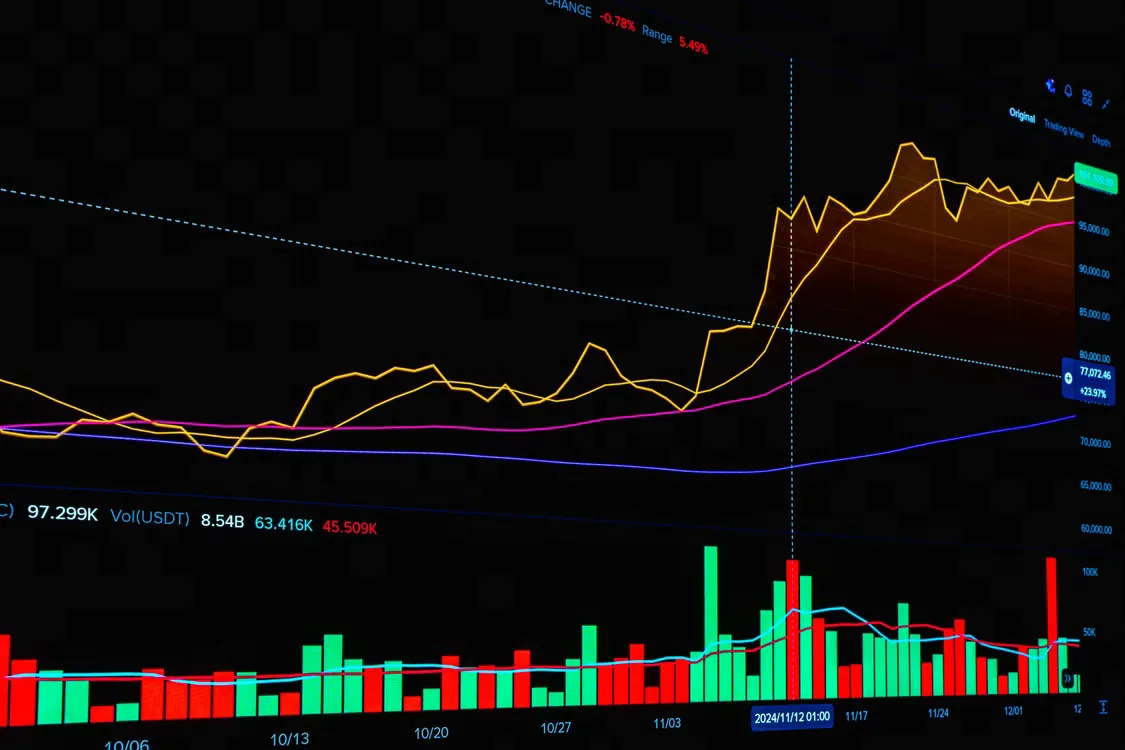
Recent market movements demonstrate this clearly. Reuters reported in September that Bitcoin had rebounded from lows around $60,000 in late August and moved above $70,000, while also noting continuing sensitivity to macroeconomic conditions and regulatory developments.
This matters when considering risk management in crypto investments. Increased institutional activity should be viewed as one market development rather than evidence that volatility has disappeared.
Exchange-traded products also carry their own considerations. SEC-filed disclosures for spot Bitcoin products identify risks including volatility, custody issues, pricing differences, limited trading histories, and the possibility that market prices can diverge from underlying asset values.
For anyone studying digital asset investments, these distinctions are important. Market access and market risk are separate questions.
Look Beyond the Headline Number
A single inflow figure can attract attention, but it cannot explain the entire market.
When reviewing institutional activity, it helps to examine several factors:
- Time period: Was the flow measured over one day, one week, one month, or a longer period?
- Asset concentration: Did activity center on Bitcoin, several cryptocurrencies, or a broader group of digital assets?
- Market conditions: Were prices already rising or falling when the flows occurred?
- Product structure: Does the reported flow relate to an ETF, another investment product, or direct digital asset activity?
- Reversals: Did subsequent weeks confirm the trend or show significant outflows?
This approach is particularly useful when evaluating cryptocurrency investment strategies. A single positive data point can describe what happened without explaining why it happened or what comes next.
The same principle applies to comparisons. Discussions about altcoins vs major cryptocurrencies should account for differences in liquidity, market size, technology, adoption, and volatility rather than treating all digital assets as one market.

Institutional Interest Can Change Market Structure
Institutional participation can influence more than short-term market sentiment. It can encourage the development of custody systems, reporting tools, trading infrastructure, research capabilities, and other services surrounding digital assets.
This is one reason security in digital asset management remains an important consideration as participation expands. Greater market activity creates a corresponding need to understand how assets are held, transferred, monitored, and protected.
Institutional involvement can also contribute to more detailed market research. Organizations entering the space often evaluate liquidity, operational infrastructure, custody arrangements, regulatory developments, and technological risks before committing resources.
These considerations extend into digital asset portfolio management, where the focus can include asset allocation, monitoring, diversification, custody, and risk controls.
None of these developments should be interpreted as a guarantee of future market performance. They simply show that digital assets are becoming part of a broader conversation around financial infrastructure and market participation.
Separating Adoption From Long-Term Trends
One of the biggest challenges in investing in the digital age is distinguishing structural change from temporary enthusiasm.
Institutional participation can be structural when organizations continue building infrastructure, developing products, conducting research, and establishing operational capabilities over extended periods.
Short-term flows tell a different story. They can reverse quickly when market conditions change.
The 2026 fund-flow data illustrates this distinction. Positive flows were followed by substantial outflows during periods of heightened risk aversion.
This is why long-term investment in digital assets requires a broader analytical framework than simply following weekly inflow figures. Participants need to consider market structure, asset-specific characteristics, volatility, liquidity, technology, custody, and their own risk tolerance.
Institutional participation can provide useful information about market development. It cannot provide certainty about future prices.

What Institutional Participation Means for Digital Asset Markets
The growing presence of institutions is an important development in the digital asset sector. ETF flows provide a visible measure of market activity, while institutional blockchain projects show that involvement extends beyond direct exposure.
At the same time, market volatility remains a defining characteristic. Recent inflows and outflows demonstrate how quickly sentiment can change. Regulatory developments and macroeconomic conditions can also influence market behavior.
For those studying blockchain-based investment opportunities, the most useful approach is therefore analytical rather than headline-driven. Examine the underlying data, understand how products work, consider the risks, and distinguish temporary market movements from developments that persist over time.
Kenson Investments provides educational resources and market insights for those seeking to understand the evolving digital asset environment. To explore the subject further, review our knowledge center, learn more about digital asset management, or contact Kenson Investments to learn more about its approach to the digital asset space.
Disclaimer: The information provided on this page is for educational and informational purposes only and should not be construed as financial advice. Crypto currency assets involve inherent risks, and past performance is not indicative of future results. Always conduct thorough research and consult with a qualified financial advisor before making investment decisions.
“The crypto currency and digital asset space is an emerging asset class that has not yet been regulated by the SEC and US Federal Government. None of the information provided by Kenson LLC should be considered as financial investment advice. Please consult your Registered Financial Advisor for guidance. Kenson LLC does not offer any products regulated by the SEC, including equities, registered securities, ETFs, stocks, bonds, or equivalents.”