









A cryptocurrency can rise in value while a fund linked to its futures contracts delivers a different result. This difference often comes from the structure of the fund rather than the underlying cryptocurrency’s price movement alone.
Understanding crypto futures fund roll yield requires examining three separate components: changes in futures prices, the effects of replacing expiring contracts, and the performance of collateral held by the fund. Each component contributes differently to the overall result.
For anyone studying cryptocurrency investment, these distinctions provide useful context when comparing market prices with fund performance. They also demonstrate why a fund’s structure deserves attention alongside the price of the digital asset it references.
Understanding the Three Components of Fund Performance
A futures-based fund holds contracts linked to a cryptocurrency’s future price rather than necessarily holding the cryptocurrency itself. Its results can therefore differ from the spot market, where the asset trades for immediate settlement.
Three components help explain this difference:
- Futures price movement: Changes in the market value of the contracts held by the fund.
- Roll effects: Changes associated with replacing contracts approaching expiration with contracts expiring later.
- Collateral return: Income or losses associated with assets held to support the fund’s contractual positions, subject to the fund’s structure.
These components interact over time. Fees, expenses, tracking differences, and the timing of contract changes can also affect the final result.
A useful starting point is to examine each component separately. This supports clearer investment analysis without assuming that a cryptocurrency’s spot price tells the entire story.
Futures Price Movement and Spot Market Differences
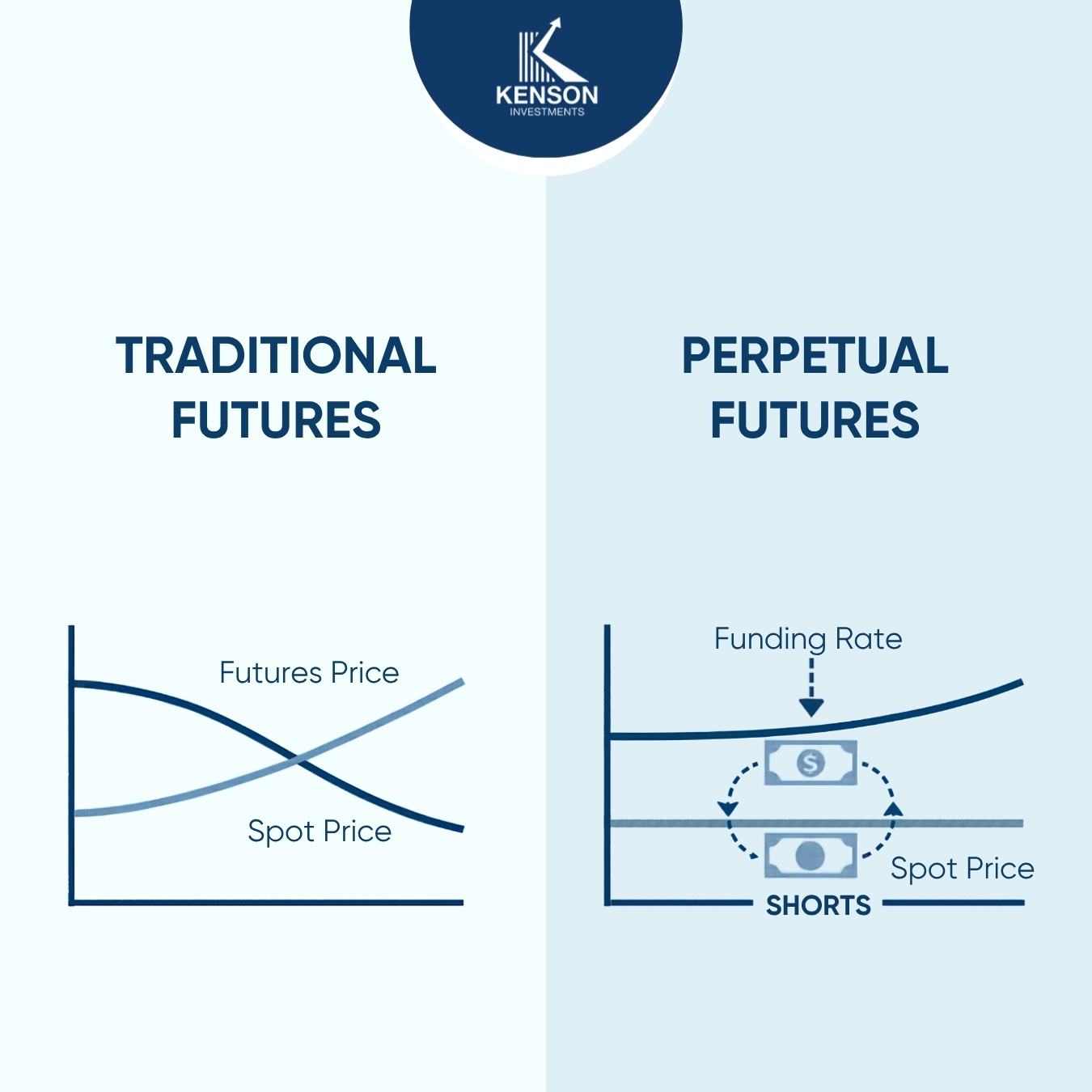
The spot price represents the current market price of a cryptocurrency for immediate settlement. A futures contract, by comparison, reflects an agreement tied to a specified future settlement date and the market’s pricing for that contract.
The two prices can move in the same direction without moving by the same amount. Differences may reflect market expectations, funding conditions, contract specifications, and the time remaining until expiration.
For example, suppose Bitcoin’s spot price increases by 5% over a given period. A fund holding Bitcoin-linked futures contracts might record a different price-related result because the contracts themselves did not necessarily increase by 5%.
This distinction matters when examining digital asset investments. The reference asset’s price change and the fund’s contract performance are related measurements, but they are not interchangeable.
It is also important to distinguish a single day’s movement from performance over several weeks or months. Small differences can accumulate as contracts are replaced and expenses are deducted.
What Is Crypto Futures Fund Roll Yield?
Roll yield describes the effect of replacing an expiring futures contract with another contract that has a later expiration date. The outcome depends partly on the price relationship between those contracts and how that relationship changes over time.
Consider a simplified example. A fund holds a contract nearing expiration that trades at $100. The next contract trades at $103. To maintain similar market exposure, the fund must replace the expiring contract with the later-dated one at its prevailing price.
The fund now holds a contract priced at $103 rather than $100. This does not automatically create an immediate 3% loss. The contract prices represent different expiration dates, and their relationship with the spot market can change.
However, repeatedly replacing contracts at relatively higher prices can create a drag on performance under certain market conditions. The opposite relationship may support results, although it does not guarantee a positive outcome.
The term crypto futures fund roll yield describes this component of performance. It should be considered alongside contract price changes, not treated as a standalone prediction of future results.
Contango and Backwardation Explained
Two common terms describe the relationship between futures prices for different expiration dates.
Contango occurs when later-dated contracts trade above comparable nearer-dated contracts. When a fund repeatedly replaces contracts in this environment, the price difference can create a headwind, depending on subsequent price movements and the fund’s roll process.
Backwardation occurs when later-dated contracts trade below nearer-dated contracts. Contract replacement may be more favorable under these conditions, although actual results depend on how prices move and when contracts are replaced.
Neither condition guarantees a particular result. The curve can change rapidly as market demand, liquidity, and expectations shift.
For readers examining cryptocurrency investment strategies, these concepts explain why two funds referencing the same cryptocurrency may produce different results over the same period.
Collateral Return and Its Role
Futures-based funds may hold collateral to support their contractual positions. Depending on the fund’s structure, this collateral may consist of cash or eligible short-term instruments.
The performance of collateral can contribute to or detract from the fund’s overall result. The amount depends on the assets held, prevailing conditions, expenses, and the fund’s governing documents.
Collateral return should remain separate from the performance of the futures contracts themselves. Combining these components into a single headline figure can obscure the reasons a fund’s results differ from the spot market.

This distinction supports more complete portfolio management analysis. It helps readers understand which elements arise from market movements and which arise from the fund’s supporting assets and operating structure.
How to Interpret the Combined Results
A structured review considers all three components over the same measurement period. Comparing mismatched dates or different reporting methods can produce misleading conclusions.
A practical review can include the following steps:
- Measure contract price changes. Examine how the relevant futures contracts performed during the period.
- Identify roll effects. Review the prices of expiring and replacement contracts, along with the fund’s documented roll methodology.
- Separate collateral performance. Determine how collateral contributed to the reported result.
- Account for expenses. Review management fees, transaction costs, and other disclosed charges.
- Compare equivalent periods. Use consistent dates and clearly defined performance measurements when comparing a fund with the spot market.

This process helps explain observed results without assuming that historical relationships will continue. It also reduces the risk of attributing every difference to cryptocurrency price movements alone.
The Kenson Perspective
Kenson Investments approaches digital asset education through an emphasis on transparency, preparation, and awareness of market risk. Understanding how a fund is structured is an important part of evaluating the information presented about its performance.
The distinction between spot prices, contract replacement effects, and collateral performance illustrates a broader principle: headline figures need context. A single performance number may not reveal the underlying factors that shaped the result.
Readers exploring digital asset management can use return attribution as an educational framework for understanding how different structures behave. It is equally important to review fund documentation, fee disclosures, contract specifications, and stated limitations before drawing conclusions.
Kenson Investments emphasizes a measured approach to digital asset participation. The aim is to support informed understanding while recognizing that cryptocurrency markets remain volatile and that no analytical framework removes the possibility of loss.
Building a More Complete Picture
Futures-based cryptocurrency funds can behave differently from spot cryptocurrency prices because their results reflect more than the movement of the underlying asset. Contract price changes, roll effects, collateral performance, and expenses all help shape the final outcome.
Understanding these components makes fund reporting easier to interpret. It also provides a more consistent basis for comparing reported performance with the market price of a cryptocurrency.
Explore the Kenson Investments approach to learn more about the company’s priorities, visit the Knowledge Centre for additional educational material, or contact Kenson Investments to speak with a Digital Asset Specialist.
Disclaimer: The information provided on this page is for educational and informational purposes only and should not be construed as financial advice. Cryptocurrency assets involve inherent risks, and past performance is not indicative of future results. Always conduct thorough research and consult with a qualified financial advisor before making investment decisions.
The cryptocurrency and digital asset space is an emerging asset class that has not yet been regulated by the SEC and US Federal Government. None of the information provided by Kenson LLC should be considered financial investment advice. Please consult your Registered Financial Advisor for guidance. Kenson LLC does not offer any products regulated by the SEC, including equities, registered securities, ETFs, stocks, bonds, or equivalents.



