








Stablecoins are no longer a crypto-native experiment. They are becoming core financial infrastructure. In 2026, major European and Swiss banks are actively piloting fiat-backed stablecoins, signaling a shift in how institutional capital approaches digital settlement.
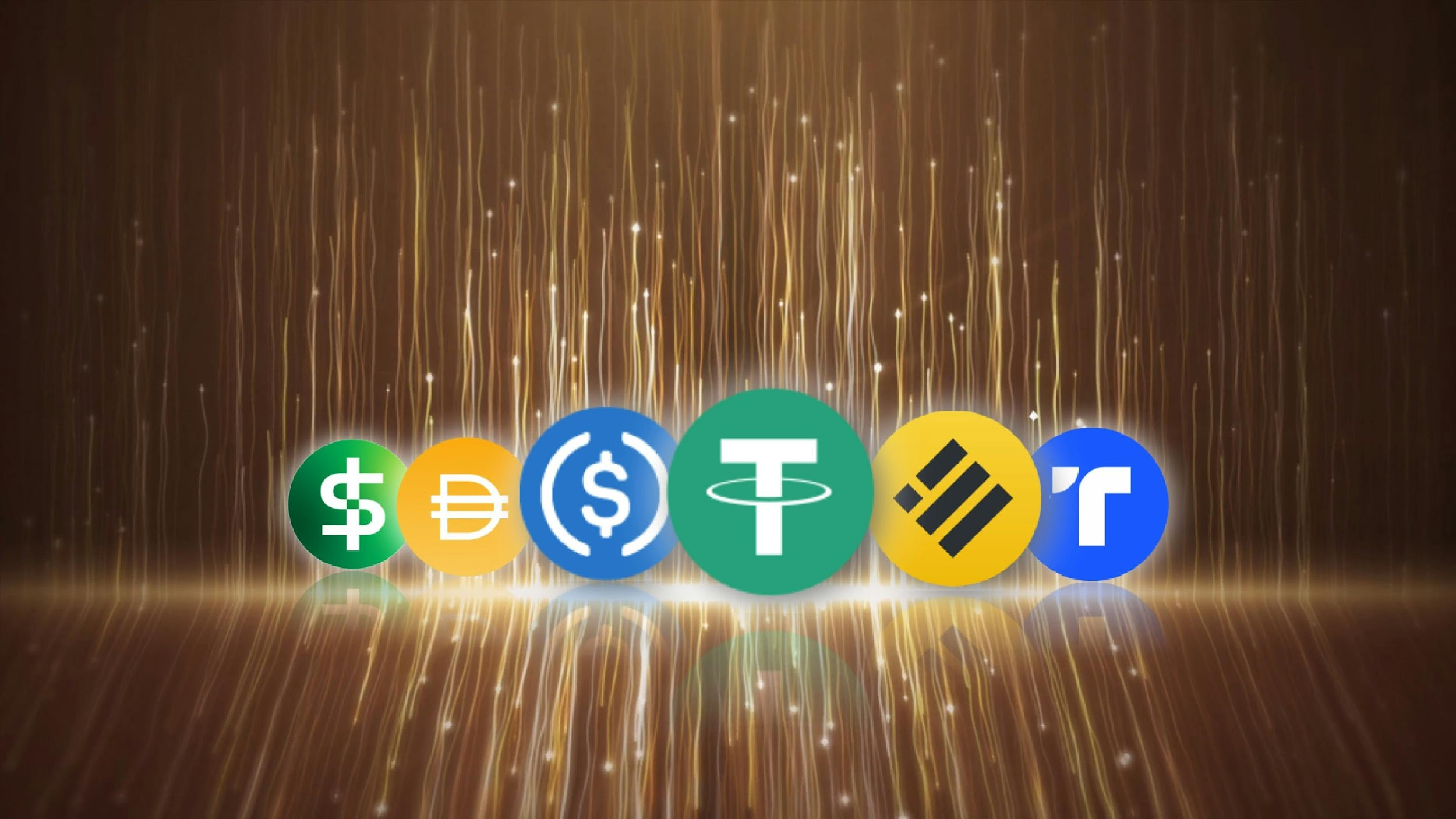
Stablecoins Now Anchor Market Liquidity
The scale of this transition is measurable. The global stablecoin market now exceeds $180 billion, with Tether and USDC accounting for the majority of circulating supply. More than 60% of crypto trading volume is settled through stablecoins, making them the primary liquidity layer across digital markets.
Banks are responding to this reality. Swiss institutions, alongside European financial groups, are testing stablecoins tied to national currencies, including the Swiss franc and euro. These initiatives are not speculative. They are designed to compete with existing private issuers while maintaining regulatory oversight and balance sheet transparency.
For institutions engaged in digital asset investments, this represents a structural shift. Stablecoins are evolving from trading tools into regulated payment instruments. This changes how liquidity is accessed, how transactions are settled, and how counterparty risk is evaluated.
Strategic Push Against Dollar-Dominated Liquidity
The motivation is not limited to innovation. It is strategic. Dollar-backed stablecoins currently dominate global crypto liquidity, reinforcing U.S. monetary influence across decentralized markets. European and Swiss banks are seeking to introduce alternatives that align with regional financial systems.
This has implications for capital flows. As new fiat-backed stablecoins enter the market, liquidity may fragment across currencies and jurisdictions. Firms engaged in consulting on digital asset management and broader blockchain and digital asset consulting are increasingly focused on how these shifts affect settlement efficiency and exposure management.

Institutional Issuance Raises Standards
Institutional issuance introduces a new layer of credibility. Bank-issued stablecoins are expected to meet stricter reserve standards, audit requirements, and compliance frameworks. This is central to security in digital asset management and aligns with evolving expectations around transparency.
However, the transition is not without complexity. Competing stablecoin ecosystems may create fragmentation in liquidity pools. For allocators focused on investment analysis and portfolio management, this introduces additional variables in execution and routing.
Market Structure Is Moving Toward Regulated Infrastructure
The broader trend is clear. Stablecoins are moving from decentralized experimentation to regulated infrastructure. For those investing in the digital age, understanding this shift is critical to navigating future market structure.
Institutional participation will likely accelerate as regulatory clarity improves, particularly in Europe. This may lead to more balanced liquidity distribution across currencies, reducing reliance on a single dominant settlement asset.
Position Capital Around Evolving Settlement Infrastructure
Stablecoins are becoming foundational to digital financial systems.
Kenson Investments supports institutions through comprehensive digital asset consulting services that emphasize disciplined capital positioning, liquidity awareness, and risk-aligned participation in emerging settlement frameworks. Get in touch with our digital asset specialists.
Disclaimer: The information provided on this page is for educational and informational purposes only and should not be construed as financial advice. Crypto currency assets involve inherent risks, and past performance is not indicative of future results. Always conduct thorough research and consult with a qualified financial advisor before making investment decisions.
“The crypto currency and digital asset space is an emerging asset class that has not yet been regulated by the SEC and US Federal Government. None of the information provided by Kenson LLC should be considered as financial investment advice. Please consult your Registered Financial Advisor for guidance. Kenson LLC does not offer any products regulated by the SEC including, equities, registered securities, ETFs, stocks, bonds, or equivalents”