






Digital assets have moved out of the shadows and into the center of global policy discussions. Governments across Asia, Europe, and North America are each drafting their own rules for how cryptocurrencies, stablecoins, and blockchain-based instruments can be issued, traded, and held. The frameworks differ sharply in structure, but the direction is consistent: regulators want clarity. For anyone investing in cryptocurrencies or navigating the digital asset market, understanding how these rules take shape internationally is becoming just as important as understanding the technology itself.
South Korea Moves Toward a Comprehensive Framework
South Korea offers one of the clearest examples of a country building a unified rulebook from the ground up. The proposed Digital Asset Basic Act, advanced by the ruling Democratic Party and the Ministry of Economy and Finance, would split digital assets into two categories: general assets and asset-linked assets such as stablecoins. Stablecoin issuers would face licensing requirements, mandatory reserve backing, and a minimum capital threshold of roughly KRW 500 million, all supervised by the Financial Services Commission.
The legislation also formally ends South Korea’s nine-year ban on corporate crypto holdings, allowing listed companies and professional investors to allocate a portion of their capital into digital assets under new guidelines. Lawmakers are targeting passage in the second half of 2026, with a tokenized government bond pilot linked to the Bank of Korea’s central bank digital currency project planned for 2027. It’s a useful case study in digital asset consulting for compliance, since the framework is being built to integrate crypto directly into existing financial law rather than treat it as a separate, unregulated category.
Europe’s MiCA Sets an Early Global Benchmark
The European Union got a head start. Its Markets in Crypto-Assets Regulation, or MiCA, became fully applicable across the bloc on December 30, 2024, with stablecoin-specific rules in force since mid-2024. MiCA separates stablecoins into e-money tokens, pegged to a single currency, and asset-referenced tokens, backed by a basket of assets. Issuers must secure authorization, hold reserves with qualifying custodians, and guarantee redemption at par value.
By mid-2026, the transitional grandfathering period for crypto-asset service providers had closed, meaning every platform serving EU customers now needs full MiCA authorization. Because MiCA arrived earlier and more comprehensively than most other regimes, several analysts and policymakers elsewhere have referenced its tiered authorization model when designing their own rules, making it a practical benchmark for evaluating digital asset consulting firms and frameworks operating across borders. For a global digital asset consulting firm, this kind of cross-jurisdictional awareness is central to blockchain and digital asset consulting work.

The United States Takes a Sector-by-Sector Approach
The US path looks different again. Rather than a single comprehensive law, Washington has moved piece by piece. The GENIUS Act, signed into law on July 18, 2025, created the country’s first federal framework specifically for payment stablecoins. It requires issuers to be approved by federal or state regulators, back tokens on a one-to-one basis with cash or short-term government instruments, and submit regular reserve disclosures.
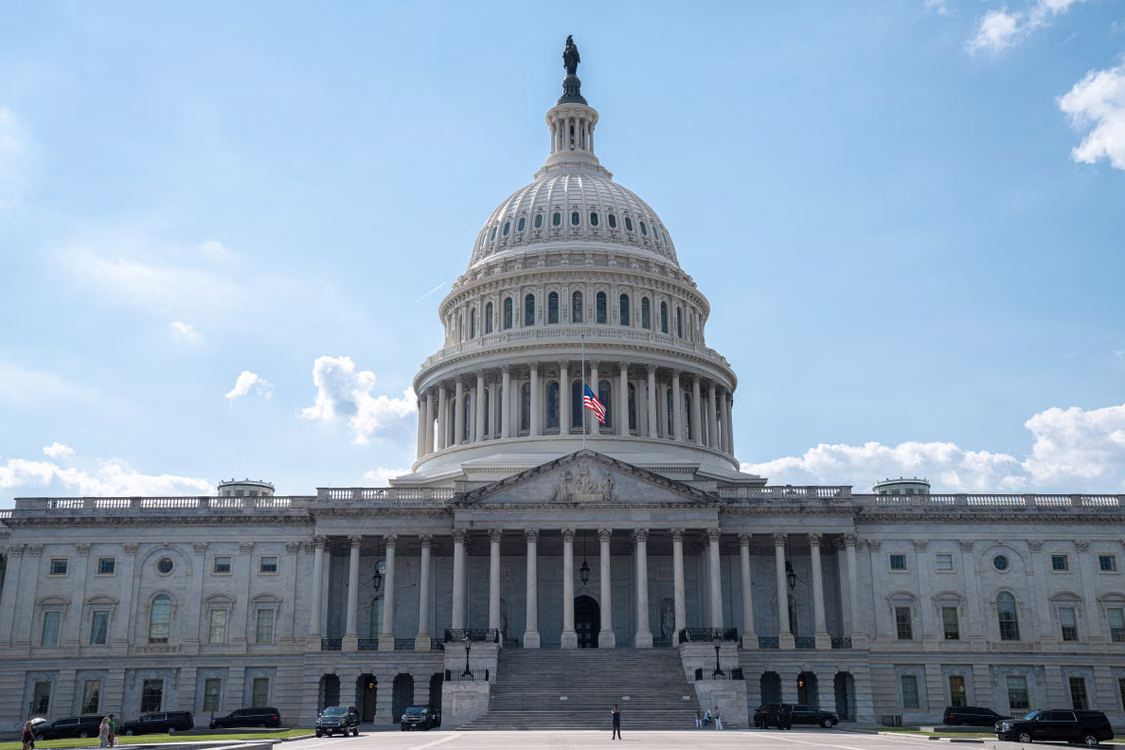
A year on, agencies including the Office of the Comptroller of the Currency and the Treasury Department are still writing the implementing rules, a process expected to continue through 2026 and beyond. Meanwhile, the proposed CLARITY Act aims to divide oversight of the broader crypto market between the SEC and the CFTC, an area that remains unresolved. This fragmented, agency-driven model stands in contrast to South Korea’s single-bill approach and the EU’s unified regulation, illustrating how differently the same underlying policy questions can be answered depending on a country’s legal architecture. It’s a reminder that cryptocurrency investment solutions and digital asset investment solutions built for one jurisdiction don’t automatically translate to another, which is exactly where digital asset strategy consulting firm work becomes valuable.
A Patchwork With a Common Thread
South Korea, the EU, and the US are pursuing regulation through different vehicles: a single comprehensive act, an EU-wide regulation, and a sequence of sector-specific US federal laws. Despite the structural differences, common priorities keep surfacing across all three:
- Reserve backing and redemption guarantees for stablecoins
- Licensing requirements for issuers and platforms
- Clearer disclosure obligations for digital asset businesses
- A push to bring crypto activity inside existing financial supervision rather than leave it unregulated
For market participants, this patchwork underscores why investing in the digital age now requires tracking policy developments as closely as market trends. Rules that apply in Seoul or Frankfurt may not apply in the United States, and a platform compliant in one region isn’t automatically compliant in another. This is a large part of why digital asset management consulting and digital asset management services have grown in relevance, helping market participants make sense of a regulatory landscape that is still being written in real time.

Staying Informed in a Shifting Landscape
None of these frameworks are finished. South Korea’s bill still needs to pass its National Assembly. The EU is already reviewing MiCA for potential amendments. US rulemaking is ongoing, and additional legislation is still moving through Congress. What’s clear is that digital asset regulation is no longer a fringe policy topic. It’s a global conversation shaping how transparent investment solutions and market infrastructure will look in the years ahead.
Kenson Investments follows these developments closely as part of our commitment to digital asset investment solutions built on informed, educational engagement. To learn more about how our team approaches digital asset consultation or explore our digital asset investments resources, or to speak with a Digital Asset Specialist, contact us today.
Disclaimer: The information provided on this page is for educational and informational purposes only and should not be construed as financial advice. Crypto currency assets involve inherent risks, and past performance is not indicative of future results. Always conduct thorough research and consult with a qualified financial advisor before making investment decisions.
The crypto currency and digital asset space is an emerging asset class that has not yet been regulated by the SEC and US Federal Government. None of the information provided by Kenson LLC should be considered as financial investment advice. Please consult your Registered Financial Advisor for guidance. Kenson LLC does not offer any products regulated by the SEC including, equities, registered securities, ETFs, stocks, bonds, or equivalents.