








The long-anticipated arrival of spot Bitcoin ETFs in the United States has marked a pivotal shift in institutional access to digital assets. After years of futures-based workarounds and regulatory friction, the doors to direct Bitcoin exposure—via regulated, familiar vehicles—are now open. But while headlines often chase ticker performance or daily volume, the real story lies in the flows.

In this context, Bitcoin ETF adoption isn’t just a reflection of market hype. It’s a signal. From pension funds to asset allocators, inflows into these new vehicles reveal how institutions are beginning to position Bitcoin within multi-asset frameworks, risk models, and global portfolios.
For informed market participants and firms exploring digital asset investment solutions, the early ETF flows offer more than just numbers—they offer narrative.
From Obstacle to Onramp: The Institutional Case for ETFs
Historically, institutions faced operational, legal, and custodial hurdles in accessing Bitcoin directly. Concerns over private key management, exchange risk, and compliance sidelined many potential allocators. The ETF structure, long familiar to institutional portfolios, removes many of these frictions.
By outsourcing custody, trading, and NAV tracking to trusted fund administrators and custodians, ETFs create a seamless path for integrating Bitcoin into:
- 401(k) plans
- Endowment allocations
- Sovereign wealth portfolios
- Multi-strategy hedge funds
For institutions already working with a digital asset management company, the ETF format simplifies compliance review, investment committee approval, and trade execution.
Flows as a Sentiment Barometer
Initial flows into U.S.-listed spot Bitcoin ETFs were eye-opening. Within the first 30 days of launch, BlackRock’s iShares Bitcoin Trust (IBIT) amassed billions in assets, while Fidelity’s Wise Origin Bitcoin Fund (FBTC) and Bitwise’s BITB followed closely behind.
These flows reveal three key trends:
1. Brand Matters
The majority of inflows were captured by established asset managers with deep institutional relationships. This shows that, for allocators, asset management pedigree remains essential—even in crypto.
Firms evaluating digital asset strategy consulting firms often prioritize custodial clarity, compliance assurance, and fund structure familiarity—areas where incumbents hold an advantage.
2. Fee Sensitivity is Real
The ETF fee wars extended into crypto. Issuers offering competitive expense ratios saw faster adoption, reinforcing that even in speculative asset classes, institutional investors are fee-conscious. This has implications for how crypto investment firms structure future products and how fund management companies benchmark value.
3. Early Flows ≠ Retail Frenzy
While some headlines attributed the inflows to retail enthusiasm, deeper analysis points to a meaningful share of institutional capital. Custodians and prime brokers confirmed onboarding activity from family offices, RIAs, and hedge funds—not just self-directed traders.
This aligns with the rise of blockchain asset consulting and crypto asset management teams being tapped to model Bitcoin allocations within larger risk frameworks.
Bitcoin’s Role in Multi-Asset Portfolios
So what does Bitcoin’s entry into the ETF ecosystem suggest about its evolving role?
It’s no longer just a volatility play. It’s being assessed as:
- A macro hedgeagainst fiat debasement
- A low-correlation satellitein diversified portfolios
- A long-term asymmetric beton monetary evolution
Firms that specialize in portfolio management consulting are increasingly modeling Bitcoin as part of risk-parity frameworks or even 60/40 modernizations.
In some cases, venture capital fund management desks are using ETFs to hedge exposure to digital-native investments or to balance out altcoin positions. Others are leveraging ETFs in cryptocurrency index fund management strategies that dynamically weight Bitcoin alongside Ethereum and other top assets.
What Asset Managers Are Signaling
When BlackRock, Fidelity, and Franklin Templeton move into Bitcoin ETFs, they don’t just seek fees—they telegraph institutional acceptance.
Their involvement also suggests:
- Stronger compliance and operational readiness
- Reduced career risk for traditional allocators
- Momentum for future crypto ETF products (e.g., Ethereum)
For crypto investment consulting firms, this is a moment of validation. It signals that regulated exposure is now not only possible—but plausible and prudent.
ETF vs. Spot: Strategic Access, Not Technical Exposure
While ETFs make access easier, they come with trade-offs. Holders give up native functionality—no staking, no on-chain interaction, no self-custody. But for many institutions, that’s a feature, not a bug.
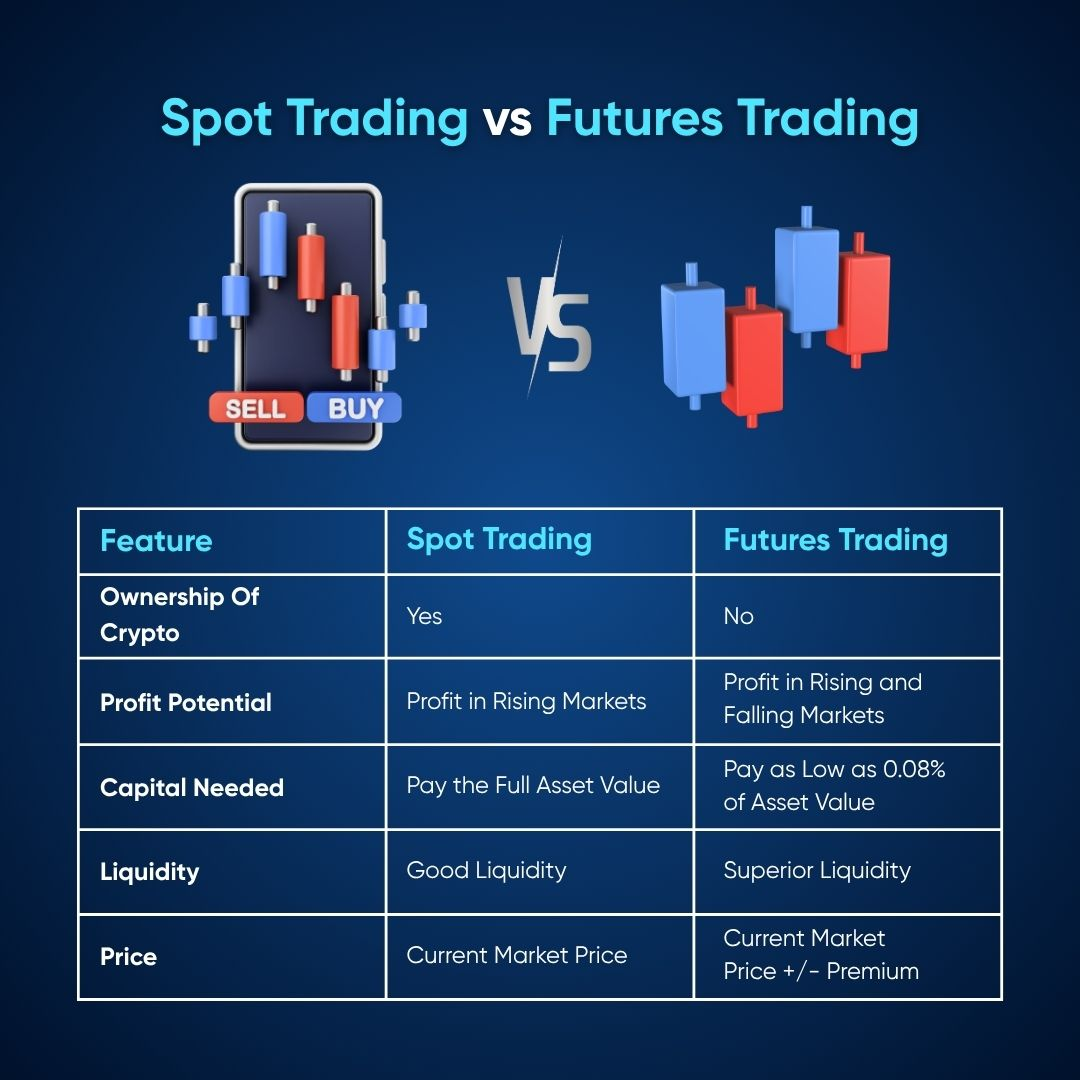
This is where secure digital asset consulting solutions come in. Institutional allocators aren’t choosing between ETF and spot exposure—they’re constructing frameworks that may use both, depending on their objectives.
Some will opt for ETF exposure in retirement accounts while exploring custody-driven direct allocations for treasury or venture arms. Strategic digital asset consulting partners can guide these design choices, helping institutions segment their exposure pathways based on governance models.
The Rise of Data-Driven Allocation
Post-ETF, new flows of data are now informing allocation models. ETF NAVs, volume profiles, and premium/discount dynamics are giving portfolio managers real-world metrics to track Bitcoin’s behavior alongside traditional assets.
This is enabling:
- Daily beta modeling against equities and commodities
- Performance attribution across fund classes
- Risk-adjusted return calibration in models used by cryptocurrency growth fund managementteams
Global Implications and Cross-Border Strategies
While the U.S. spot Bitcoin ETF approval is grabbing headlines, global ETF activity is rising. Canada, Germany, Brazil, and Australia already list Bitcoin ETFs, and institutional flows there show different appetites depending on tax regimes, currency exposure, and capital controls.
Global digital asset consulting firms now advise clients on ETF access points in cross-border portfolios, helping them optimize exposure by jurisdiction. For example:
- Brazilian ETFsoffer crypto access with BRL hedging
- German fundsallow for seamless integration with local pension products
For institutional investors with global mandates, evaluating digital asset consulting firms includes understanding regulatory nuances that govern ETF eligibility, tax efficiency, and fund comparability.
Institutional Infrastructure is Catching Up
Post-ETF, service providers are evolving fast. From crypto fund administrators offering NAV support for ETF-linked hedge fund sleeves to digital fund advisory teams structuring ETF-derivative wrappers, the support layer is deepening.
Custodians are also scaling support, enabling:
- Pre-trade analytics for ETF-based strategies
- Rebalancing tools for ETF and spot hybrids
- Real-time position tracking across fund structures
This evolution is opening the door for more customized digital asset consulting solutions—whether it’s for a cryptocurrency index fund, fund-of-funds strategy, or a simple macro hedge allocation.
How Kenson Investments Supports You
At Kenson Investments, we support informed participants in understanding the data and infrastructure shaping Bitcoin’s institutional moment. From educational briefings on Bitcoin ETF adoption to cross-market trend analysis, we focus on delivering clarity—not predictions.
Whether you’re exploring digital asset advisory services, need to map out risk management in crypto investments, or want to better understand Bitcoin’s evolving role in your framework, our insights are designed to empower long-term awareness.
Discover our ETF coverage and market resources today—and navigate the digital asset market with confidence.
Disclaimer: The information provided on this page is for educational and informational purposes only and should not be construed as financial advice. Crypto currency assets involve inherent risks, and past performance is not indicative of future results. Always conduct thorough research and consult with a qualified financial advisor before making investment decisions.
“The crypto currency and digital asset space is an emerging asset class that has not yet been regulated by the SEC and US Federal Government. None of the information provided by Kenson LLC should be considered as financial investment advice. Please consult your Registered Financial Advisor for guidance. Kenson LLC does not offer any products regulated by the SEC including, equities, registered securities, ETFs, stocks, bonds, or equivalents”