








Institutional capital does not enter emerging markets to chase narratives. It enters when risk can be measured, controlled, and consistently managed. In digital assets, that distinction has become clear. While early market cycles were defined by speculation around individual tokens, the current phase is being shaped by infrastructure. Custody frameworks, settlement systems, compliance layers, and operational controls now determine whether capital can participate at scale.
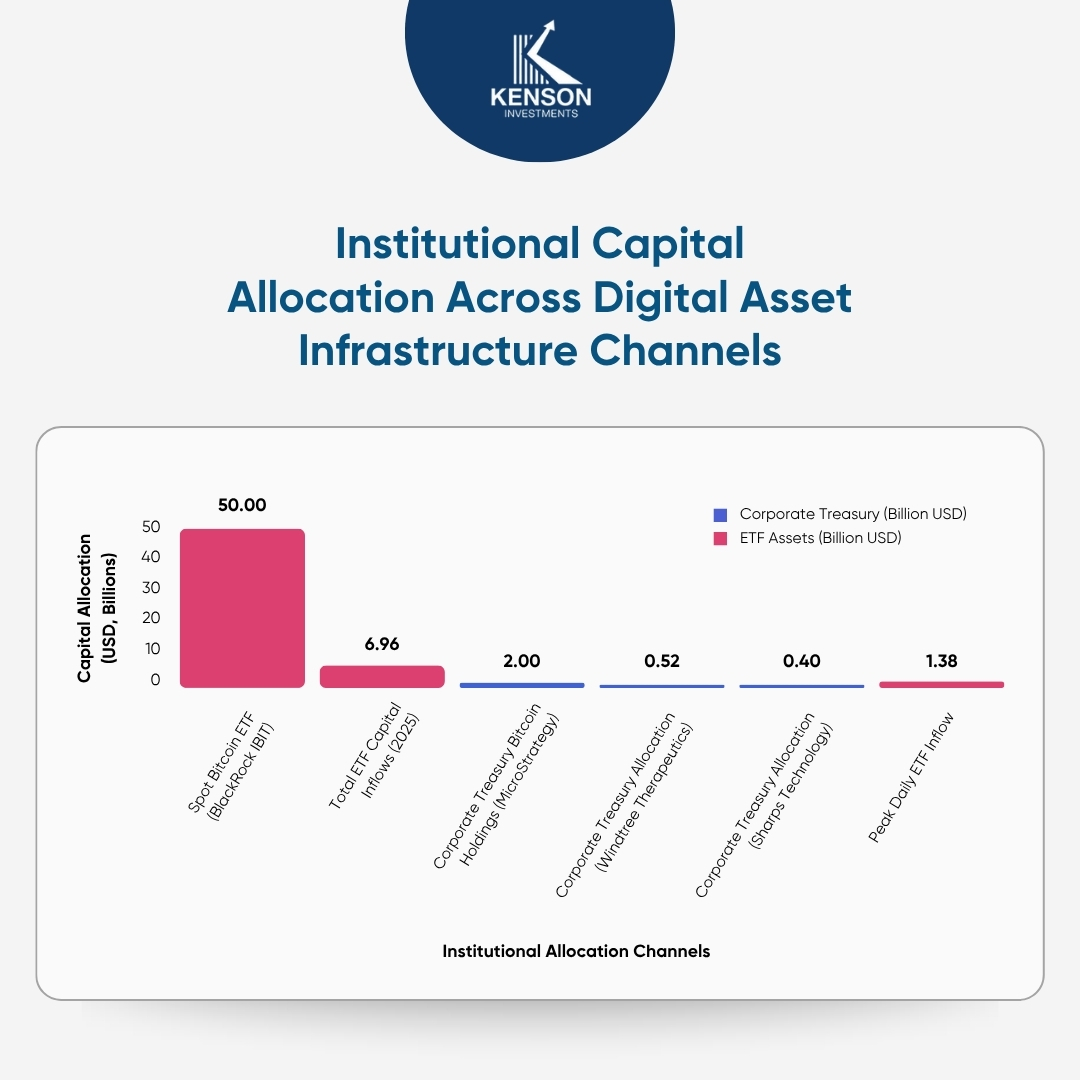
This shift is not theoretical. Between 2023 and 2026, institutional engagement in digital assets has grown alongside the maturation of infrastructure rather than the performance of any single token class. Spot Bitcoin ETFs in the United States surpassed $50 billion in assets under management within their first year. Major custodians now report billions in safeguarded digital assets. At the same time, institutional failures have consistently traced back to infrastructure gaps rather than token volatility itself.
For allocators, the conclusion is straightforward. Token exposure is optional. Infrastructure risk is not.
Infrastructure Defines Capital Survival, Not Token Performance
From an institutional perspective, the core question is not which asset will outperform. It is whether capital can be preserved through volatility, operational failure, and market stress. This is where digital asset infrastructure investing becomes central.
Infrastructure includes custody systems, execution pipelines, settlement mechanisms, data integrity frameworks, and compliance controls. Each of these layers directly affects whether capital can be accessed, transferred, or recovered during periods of market disruption.
The failure of FTX in 2022 remains one of the most cited examples. The issue was not token exposure alone. It was the absence of segregated custody, inadequate governance, and opaque balance sheet practices. Billions in assets became inaccessible not because markets moved, but because infrastructure failed.
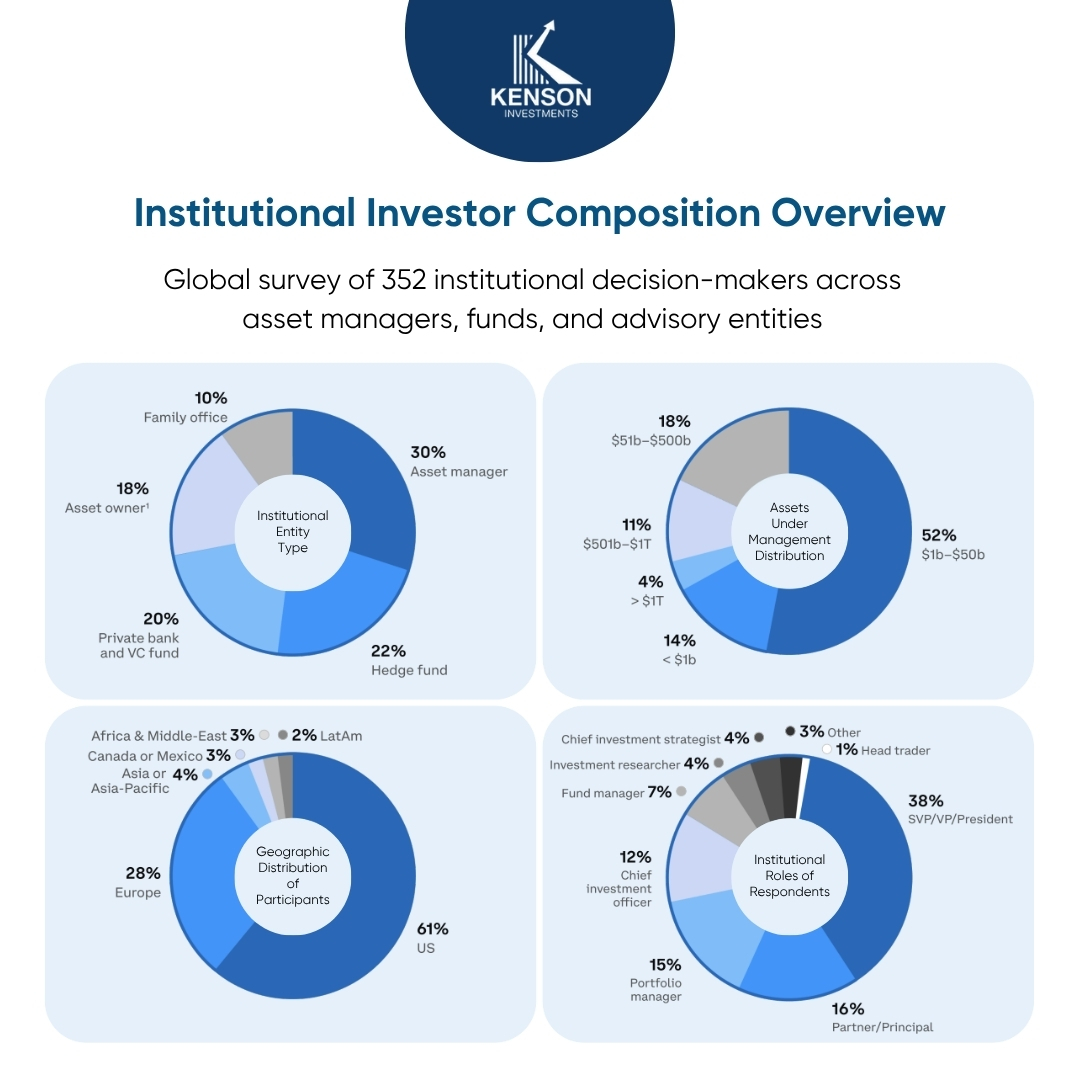
In contrast, institutional-grade custodians now operate with multi-layer key management, insurance-backed storage, and regulatory oversight. Firms such as Coinbase Custody and Fidelity Digital Assets report uptime levels exceeding 99.9 percent and maintain strict segregation of client assets.
This distinction explains why institutions increasingly prioritize institutional blockchain infrastructure over token selection. Without reliable infrastructure, even the best-performing asset becomes irrelevant.
Custody Frameworks Are the First Line of Capital Protection
Custody is often misunderstood as a technical detail. For institutions, it is the foundation of capital ownership. Without verifiable control over assets, participation is not possible.
Modern custody frameworks rely on a combination of cold storage, multi-signature authorization, hardware security modules, and distributed key management. These systems are designed to eliminate single points of failure and reduce exposure to both internal and external threats.
As of 2026, over 80 percent of institutional digital asset holdings are stored in qualified custodial environments. Regulatory developments in jurisdictions such as the United States, European Union, and Singapore have further formalized custody requirements, aligning them with traditional asset classes.
This has led to increased demand for digital asset consulting for compliance, particularly among institutions entering the market for the first time. The emphasis is not on maximizing returns, but on ensuring that assets remain accessible under all conditions.
For investors, this reinforces a critical principle. Ownership in digital assets is not defined by price exposure. It is defined by custody integrity.
Settlement Reliability Determines Market Confidence
In traditional finance, settlement systems operate with established clearing mechanisms and counterparty guarantees. Digital assets operate differently. Settlement is often immediate, irreversible, and dependent on network conditions.
This creates both opportunity and risk.
On one hand, real-time settlement reduces counterparty exposure. On the other, it introduces execution risk if transactions fail, are delayed, or occur under unfavorable conditions.
Ethereum’s transition to proof-of-stake improved network stability, with validator uptime consistently exceeding 99 percent. Layer 2 solutions have further reduced congestion, enabling faster and more predictable settlement. However, these improvements also introduce new dependencies, including bridge security and validator coordination.
For institutions, the focus is not on speed alone. It is on certainty. Reliable settlement ensures that capital can move when required, particularly during periods of market stress.
This is why blockchain and digital asset consulting increasingly emphasizes settlement architecture, transaction monitoring, and failover systems. Firms providing comprehensive digital asset consulting services are expected to evaluate not just network performance, but the full execution pathway from trade initiation to final settlement.
Risk Monitoring Systems Replace Assumptions with Data
Institutional participation depends on visibility. Without real-time data, risk cannot be managed effectively.
Modern digital asset infrastructure includes advanced monitoring systems that track liquidity conditions, counterparty exposure, transaction flows, and network health. These systems provide continuous insight into market conditions, enabling institutions to adjust positions and manage risk dynamically.
Between 2024 and 2026, the adoption of on-chain analytics platforms increased significantly among institutional users. These platforms allow investors to assess wallet-level activity, identify concentration risks, and detect abnormal transaction patterns.
This has transformed how institutions approach investment analysis and portfolio management in digital assets. Instead of relying on price trends alone, decisions are informed by structural data.
For example, sudden increases in exchange inflows can signal potential selling pressure. Concentration of holdings among a small number of entities may indicate liquidity risk. Monitoring these indicators allows institutions to anticipate market movements rather than react to them.
As a result, risk management in crypto investments has shifted from reactive to proactive. Infrastructure enables this transition.
Compliance Architecture Shapes Institutional Participation
Regulatory clarity has become one of the defining factors in institutional adoption. Without compliance frameworks, capital remains sidelined regardless of market opportunity.
Jurisdictions worldwide have introduced stricter requirements for digital asset operations, including anti-money laundering protocols, transaction reporting, and licensing standards. The European Union’s MiCA regulation, for example, has established comprehensive guidelines for digital asset service providers.
Compliance is no longer an external consideration. It is embedded within infrastructure.
Institutions now require systems that enforce jurisdictional restrictions, monitor transaction activity, and ensure adherence to regulatory standards. This has led to increased demand for digital asset consulting for startups and established firms seeking best practices in digital asset consulting.
Firms offering consulting on digital asset management play a critical role in helping institutions navigate these requirements. The objective is not to avoid regulation, but to operate within it while maintaining operational efficiency.
Governance Discipline Reduces Execution Risk
Smart contracts introduced the concept of automated execution. However, automation does not eliminate risk. It redistributes it.
Governance frameworks determine how systems respond to unexpected conditions, including market disruptions, technical failures, and security incidents. Without clear governance, automated systems can amplify risk rather than mitigate it.
Institutional-grade infrastructure incorporates layered governance mechanisms, including multi-party approvals, emergency controls, and audit processes. These measures ensure that execution can be paused, adjusted, or reversed when necessary.
This approach contrasts with early decentralized systems, where governance was often informal or reactive. As capital exposure increases, governance must become structured and predictable.
For institutions, governance is not a philosophical consideration. It is a practical requirement for managing execution risk.
Token Exposure Is Secondary to Infrastructure Resilience
The distinction between tokens and infrastructure becomes most apparent during periods of market stress.
Token prices can fluctuate significantly within short timeframes. Infrastructure, however, determines whether capital can be accessed, transferred, or protected during these fluctuations.
This is why institutions allocate resources toward digital asset management consulting services and digital asset portfolio management frameworks. The focus is on building systems that can withstand volatility rather than predicting it.
Even in discussions around altcoins vs. major cryptocurrencies, the underlying infrastructure often dictates risk levels more than the assets themselves. Liquidity, custody, and settlement capabilities vary significantly across networks, affecting how institutions evaluate exposure.
As a result, long-term investment in digital assets increasingly depends on infrastructure maturity rather than token narratives.
The Role of Professional Advisory in Infrastructure Development
The complexity of digital asset infrastructure has created demand for specialized expertise. Institutions often rely on leading digital asset consulting specialists to design and implement operational frameworks.
This includes selecting custody providers, integrating risk monitoring systems, establishing compliance protocols, and developing governance structures.
The rise of global digital asset consulting firms reflects the growing importance of infrastructure in investment decisions. These firms provide customized digital asset consulting solutions tailored to the specific needs of institutional clients.
For example, hedge funds entering digital assets may require integration with existing portfolio management systems, while family offices may prioritize custody and reporting capabilities. Each use case demands a different infrastructure approach.
How Infrastructure Influences Capital Allocation Decisions
Institutional capital allocation is driven by risk-adjusted returns. Infrastructure plays a central role in determining both components.
Reliable infrastructure reduces operational risk, allowing institutions to allocate larger portions of capital with greater confidence. It also enables access to a broader range of opportunities, including decentralized finance advisory frameworks.
However, institutions remain cautious when engaging with DeFi. While the sector offers potential for yield generation, it also introduces additional risks related to smart contract vulnerabilities, liquidity fragmentation, and governance uncertainty.
This has led to the emergence of consultancy for DeFi finance investments as specialized services. The goal is to assess infrastructure risks before capital is deployed.
What This Means in Kenson’s Framework
At Kenson Investments, infrastructure is treated as the foundation of every allocation decision. The focus is not on identifying short-term opportunities, but on ensuring that capital can be protected and managed consistently over time.
This approach involves evaluating custody integrity, settlement reliability, risk monitoring capabilities, and compliance alignment before considering asset exposure. Each layer is assessed for its ability to withstand stress scenarios and maintain operational continuity.
Kenson’s framework prioritizes transparency, governance discipline, and structural resilience. This reflects a broader shift within the industry, where transparent investment solutions are becoming prerequisites for institutional participation.
By focusing on infrastructure, Kenson aims to reduce uncertainty and provide a stable foundation for navigating the digital asset market.
Infrastructure as the Gatekeeper of Institutional Adoption
The evolution of digital assets is entering a new phase. Speculative interest remains, but institutional capital is increasingly driven by structural considerations.
Infrastructure determines whether markets can support large-scale participation. It defines how assets are stored, transferred, and governed. It shapes how risk is measured and managed.
For institutions, this represents a fundamental shift. The question is no longer which token to buy. It is whether the underlying system can support capital at scale.
Building Confidence Through Operational Clarity
Operational clarity is one of the most important factors influencing institutional confidence. This includes clear processes for custody, execution, settlement, and reporting.
Firms providing digital asset management services play a key role in establishing these processes. Their expertise helps institutions navigate complex systems and implement effective controls.
As the market continues to evolve, the demand for innovative solutions in digital asset consulting is expected to grow. These solutions will focus on enhancing transparency, improving efficiency, and reducing risk.
Closing the Gap Between Innovation and Stability
Digital assets are often associated with innovation. However, institutional participation depends on stability.
Bridging this gap requires infrastructure that can support both. Systems must be flexible enough to accommodate new technologies while maintaining the reliability required for capital preservation.
This balance is not easy to achieve. It requires continuous investment in technology, governance, and operational processes.
For institutions, the ability to navigate this balance will determine long-term success in the digital asset market.
Market Structure Evolution Is Infrastructure-Led, Not Token-Led
Institutional capital tends to follow market structure, not narratives. In digital assets, market structure is increasingly defined by infrastructure maturity rather than token proliferation.
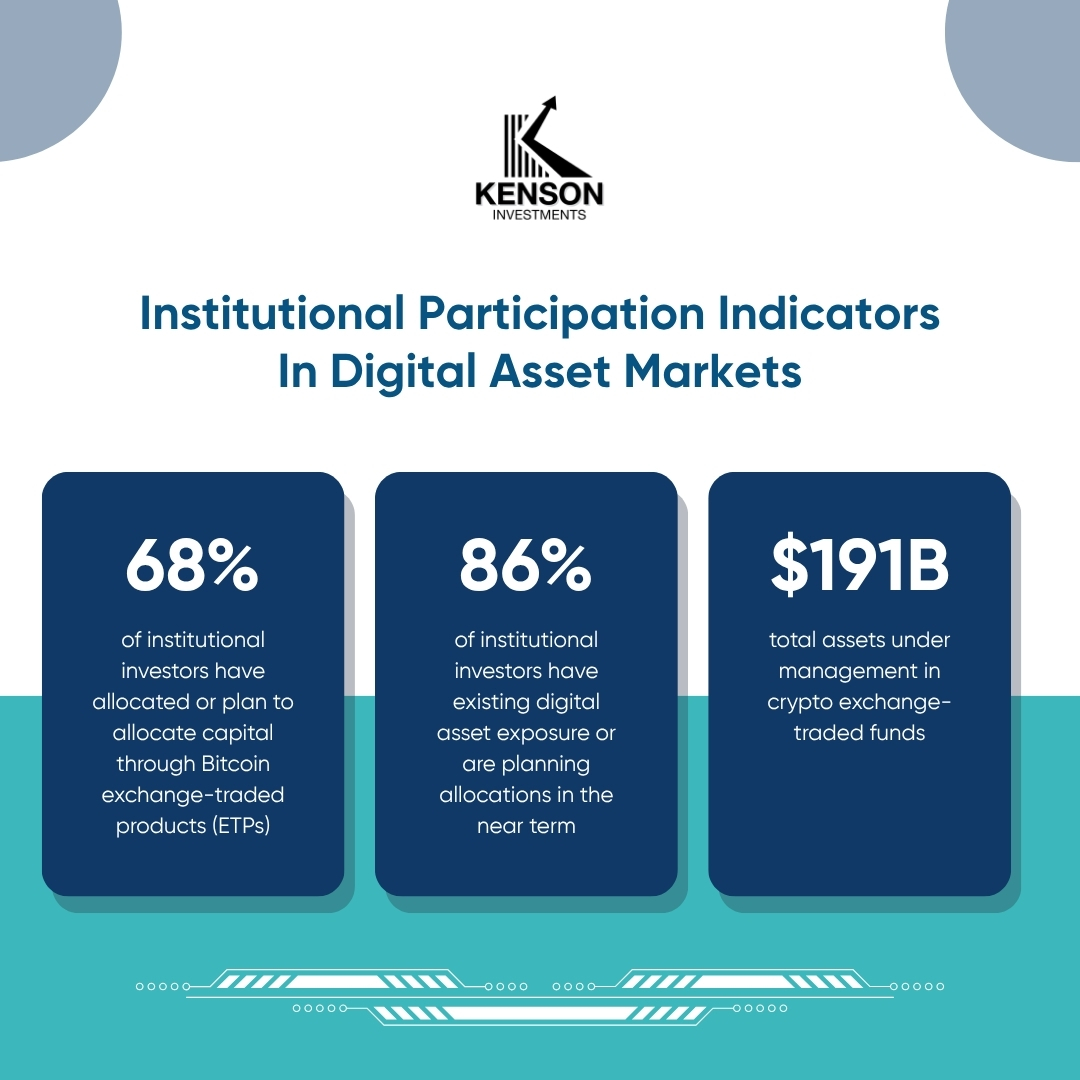
Between 2023 and 2026, the number of listed tokens continued to grow into the tens of thousands. Yet institutional capital remained concentrated in a narrow subset of assets supported by reliable infrastructure. Bitcoin and Ethereum continue to dominate institutional allocations not simply because of market capitalization, but because of their surrounding infrastructure ecosystems.
These ecosystems include regulated custody, derivatives markets, liquidity venues, and data transparency tools. For example, CME Bitcoin futures volumes have consistently exceeded billions in daily notional value, providing institutions with hedging mechanisms that most tokens lack. Similarly, Ethereum’s validator ecosystem, with over one million active validators as of 2026, reflects a level of decentralization and operational resilience that supports institutional confidence.
In contrast, many altcoin investment options lack sufficient infrastructure depth. Limited liquidity, fragmented custody solutions, and inconsistent governance frameworks introduce layers of risk that institutions are not structured to absorb.
This reinforces a key point. Institutional capital does not scale with token availability. It scales with infrastructure reliability.
Liquidity Infrastructure Shapes Entry and Exit Discipline
Liquidity is often discussed in terms of volume, but for institutions, liquidity is about execution certainty. The ability to enter and exit positions without significant slippage or market impact is essential.
Digital asset markets have made progress in this area. Major exchanges now offer deeper order books, while over-the-counter desks provide block trading capabilities. However, liquidity remains uneven across the market.
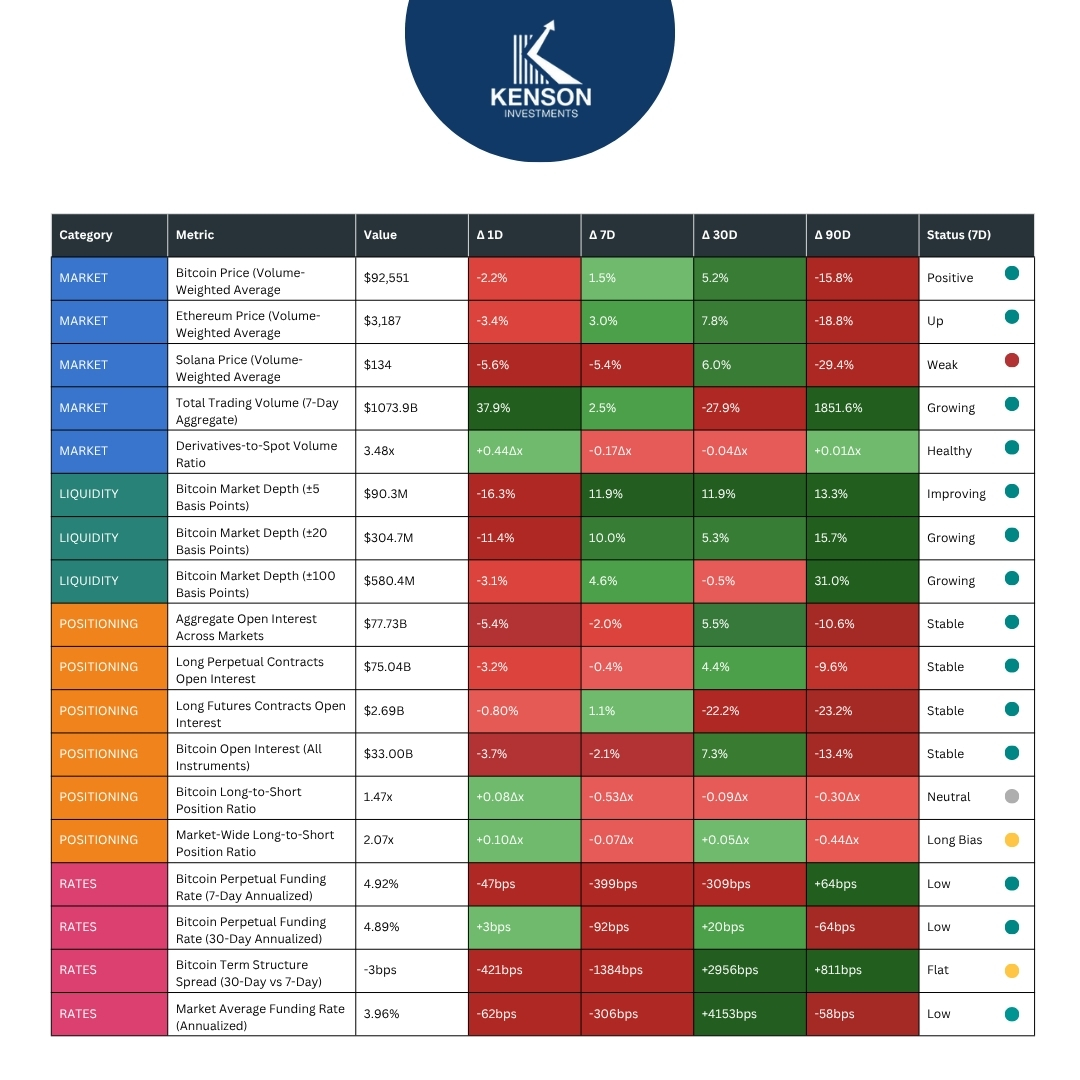
Infrastructure plays a critical role in addressing this imbalance. Aggregation platforms, smart order routing systems, and algorithmic execution tools have improved trade efficiency for institutional participants. These systems allow orders to be distributed across multiple venues, reducing impact and improving pricing outcomes.
This is particularly relevant for digital asset portfolio management, where large allocations require careful execution strategies. Without adequate liquidity infrastructure, even well-structured portfolios can face challenges during rebalancing or liquidation.
Institutional investors increasingly rely on portfolio management consultant frameworks that integrate execution infrastructure into investment processes. The objective is not just to identify opportunities, but to ensure they can be acted upon efficiently.
The Role of Stable Infrastructure in Volatility Management
Volatility remains a defining characteristic of digital asset markets. However, infrastructure determines how that volatility is experienced.
Stablecoin infrastructure provides a clear example. Stablecoins now account for over $150 billion in circulating supply, acting as a bridge between fiat and digital assets. Their role in facilitating liquidity, settlement, and collateralization has become central to market functioning.
For institutions, stablecoins for investment are not about yield generation. They are about operational stability. Stablecoins enable rapid capital movement, reduce settlement delays, and provide a consistent unit of account.
At the same time, infrastructure risks associated with stablecoins, including reserve transparency and issuer governance, have prompted increased scrutiny. Institutions often engage stablecoin investment consultant services to evaluate these risks before integrating stablecoins into their operational frameworks.
This highlights a broader trend. Even seemingly simple instruments require infrastructure analysis to be considered viable for institutional use.
Data Transparency Is Replacing Narrative-Driven Allocation
Retail-driven markets often respond to narratives. Institutional markets respond to data.
Digital assets offer a unique advantage in this regard. Blockchain networks provide transparent, verifiable transaction data that can be analyzed in real time. This has enabled the development of advanced analytics tools that track capital flows, network activity, and market behavior.
For example, on-chain data can reveal changes in long-term holder behavior, shifts in exchange balances, and the concentration of assets among large entities. These insights provide a more accurate picture of market dynamics than price movements alone.
As a result, crypto asset management has become increasingly data-driven. Institutions are integrating on-chain analytics into their decision-making processes, allowing for more informed allocation strategies.
This shift also supports the growth of transparent investment solutions, where investors can verify underlying data rather than relying solely on reported metrics.
DeFi Infrastructure: Opportunity With Conditional Access
Decentralized finance represents one of the most significant innovations in digital assets. However, institutional participation remains selective.
DeFi protocols offer opportunities for yield generation, liquidity provision, and financial innovation. Yet they also introduce risks related to smart contract vulnerabilities, governance structures, and liquidity fragmentation.
Infrastructure plays a decisive role in determining whether these opportunities can be accessed safely.
Institutional-grade DeFi participation often involves additional layers of control, including permissioned pools, risk assessment frameworks, and third-party audits. This has led to the emergence of DeFi finance consulting services tailored to institutional needs.
For example, institutions may require whitelisting mechanisms, transaction monitoring, and compliance checks before interacting with DeFi protocols. These requirements transform DeFi from an open system into a controlled environment suitable for institutional participation.
The result is a hybrid model where innovation is accessed through structured infrastructure rather than direct exposure.
Operational Resilience as a Competitive Advantage
Operational resilience is becoming a key differentiator among digital asset platforms. Institutions are increasingly evaluating service providers based on their ability to maintain performance under stress.
This includes uptime reliability, incident response capabilities, and disaster recovery processes. Platforms that can demonstrate consistent performance during periods of high volatility are more likely to attract institutional capital.
For example, during market disruptions in 2024 and 2025, exchanges and custodians with robust infrastructure maintained operations while others experienced outages. These events reinforced the importance of infrastructure in preserving capital access.
Institutions often conduct extensive due diligence when selecting service providers, including evaluating digital asset management company capabilities, reviewing audit reports, and assessing operational controls.
This process aligns with broader trends in finance asset management consulting, where operational risk is treated as a core component of investment analysis.
Integration with Traditional Financial Systems
One of the most important developments in recent years has been the integration of digital asset infrastructure with traditional financial systems.
Banks, asset managers, and payment providers are increasingly incorporating digital assets into their operations. This integration requires interoperability between blockchain networks and existing financial infrastructure.
Examples include tokenized securities, on-chain settlement systems, and blockchain-based payment rails. These developments are expanding the scope of blockchain-based investment opportunities available to institutional investors.
At the same time, integration introduces new challenges. Systems must be compatible, secure, and compliant across multiple jurisdictions. This has increased demand for digital asset management consulting to facilitate seamless integration.
For institutions, the ability to bridge traditional and digital systems is essential for long-term participation.
Infrastructure Cost Is Becoming a Strategic Consideration
Infrastructure is not just a technical requirement. It is also a cost factor that influences investment decisions.
Custody fees, transaction costs, compliance expenses, and technology investments all contribute to the overall cost of participating in digital asset markets. Institutions must evaluate whether these costs are justified by potential returns.
This has led to increased focus on efficiency. Platforms that can reduce costs while maintaining high standards of security and reliability are more attractive to institutional investors.
For example, improvements in Layer 2 scaling solutions have reduced transaction fees on networks like Ethereum, making them more accessible for institutional use. Similarly, advancements in custody technology have lowered the cost of secure asset storage.
These developments highlight the importance of innovative investment solutions that balance cost efficiency with operational integrity.
A More Disciplined Path Forward
The shift toward infrastructure-focused investing reflects a broader trend within financial markets. As digital assets mature, the emphasis is moving away from speculation and toward sustainability.
Institutions are not abandoning tokens. They are redefining how they approach them. Exposure is now built on a foundation of infrastructure that supports long-term participation.
This approach aligns with the principles of capital protection, risk management, and consistency. It recognizes that markets will evolve, but the need for reliable systems will remain constant.
Build Confidence Where It Actually Matters
Institutional participation in digital assets starts with infrastructure, not speculation. Understanding how custody, settlement, and governance frameworks shape outcomes is essential before capital is deployed.
Kenson Investments provides comprehensive digital asset consulting services designed to help investors evaluate infrastructure, manage risk, and build resilient portfolios. For those evaluating digital asset consulting firms, the focus should remain on transparency, discipline, and long-term consistency.
Connect with Kenson Investments to explore how structured infrastructure analysis can support more informed decisions in digital asset investments.
Disclaimer: The information provided on this page is for educational and informational purposes only and should not be construed as financial advice. Crypto currency assets involve inherent risks, and past performance is not indicative of future results. Always conduct thorough research and consult with a qualified financial advisor before making investment decisions.
“The crypto currency and digital asset space is an emerging asset class that has not yet been regulated by the SEC and US Federal Government. None of the information provided by Kenson LLC should be considered as financial investment advice. Please consult your Registered Financial Advisor for guidance. Kenson LLC does not offer any products regulated by the SEC including, equities, registered securities, ETFs, stocks, bonds, or equivalents”