
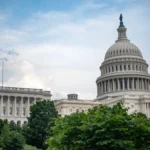







Federal regulators are moving to finalize how payment stablecoins will operate inside the U.S. financial system. Since the GENIUS Act became law in July 2025, agencies including the Office of the Comptroller of the Currency, the FDIC, and the Federal Reserve have been issuing proposed rules covering reserve requirements, custody standards, and disclosure obligations for stablecoin issuers. Comment periods on several of these proposals closed or are closing in mid-2026, marking one of the most consequential shifts in digital asset oversight to date.
For anyone paying attention to investing in cryptocurrencies, this is not a headline to skim past. It signals a structural change in how one of the most widely used categories of digital assets will be governed going forward.
What Stablecoins Actually Are
Stablecoins are a category of cryptocurrency designed to hold a steady value, typically by pegging one token to a reserve asset like the U.S. dollar. Unlike Bitcoin or other volatile digital assets, a stablecoin’s purpose is consistency rather than price appreciation. This makes them useful for payments, settlement, and as a bridge between traditional currency and blockchain-based systems.
That said, stability is not automatic. A stablecoin only holds its value if the issuer maintains adequate reserves and honors redemption requests reliably. Several past stablecoin failures were caused by weak reserve practices, not flaws in blockchain technology itself. This distinction matters for anyone evaluating stablecoins for investment purposes, since the token’s design and the issuer’s practices are two separate things worth understanding on their own terms.
Why Governments Are Building Regulatory Frameworks
The GENIUS Act created the first comprehensive federal framework for payment stablecoins in the United States. It establishes who can issue a stablecoin, how reserves must be structured, and which regulator oversees which type of issuer. Larger issuers fall under federal supervision through the OCC, while smaller issuers, those under $10 billion in outstanding issuance, may qualify for state-level oversight if their state’s regulatory regime is certified as comparable to the federal standard.
Regulators are building this framework because stablecoins have grown into a meaningful part of the payments landscape, and unclear rules create real consequences. Reserve mismanagement, unclear redemption rights, and inconsistent disclosure standards have all previously exposed holders to losses. A defined regulatory perimeter gives issuers clearer obligations and gives the market a common reference point, which is a core reason digital asset consulting for compliance has become a more active area of interest across the industry over the past year.

How Regulation May Influence Adoption
Clear rules tend to lower the barrier for institutions that were previously hesitant to engage with digital assets. Banks, payment processors, and larger enterprises generally require regulatory certainty before integrating new financial infrastructure into their operations. As agencies finalize custody and reserve standards, more regulated entities are expected to explore stablecoin-based payment rails.
This shift also affects how individuals approach digital asset investment solutions. Regulatory clarity does not make an asset more valuable on its own, but it does change the operating environment around it. Understanding the difference between a token’s underlying design and the surrounding regulatory structure is a useful skill for navigating the digital asset market as these frameworks continue to take shape throughout 2026 and beyond.
Why Regulation Doesn’t Eliminate Market Risk
It is worth stating plainly: regulation creates structure, not certainty. A regulated stablecoin issuer can still experience operational failures, liquidity strain, or reserve mismanagement. Federal oversight sets minimum standards and creates accountability mechanisms, but it does not remove the underlying volatility and uncertainty present across the broader digital asset space.
This is why risk management in crypto investments remains essential regardless of how mature the regulatory environment becomes. Reading reserve disclosures, understanding redemption terms, and following how each rule gets finalized are all part of building a more informed view of a specific stablecoin, rather than assuming regulatory approval equals safety.

What This Means for Market Participants
Rather than reacting to each new headline, market participants benefit from tracking the practical details: which agency is finalizing which rule, what reserve standards apply, and how redemption rights are defined. These details, not the news cycle, are what actually shape how stablecoins function day to day.
For those evaluating long-term investment in digital assets, this period of rulemaking is worth following closely. Frameworks like the GENIUS Act are still being implemented, and the specifics will continue to shift as agencies finalize their proposals through 2026.

Image filename: professional-reviewing-crypto-market-data
Alt Text: A professional analyzing digital asset market charts on multiple monitors in an office setting.
Caption: Staying informed on stablecoin regulation helps market participants separate policy developments from actual market risk.
Staying Informed as the Rules Take Shape
Kenson Investments approaches the digital asset space through education first. As stablecoin rules continue to develop, our team focuses on helping clients understand what is actually changing, not just what headlines suggest. Whether you’re new to crypto investment consulting or looking for blockchain asset investment consulting grounded in current developments, our digital asset consultation services and digital asset advisory services are built around clarity over hype.
We also work with clients seeking innovative investment solutions and transparent investment solutions across a range of digital assets through our digital asset investments offerings, supported by digital asset management services designed around informed decision-making. If you’d like to learn more about how evolving stablecoin regulation may affect your approach, contact us today to start the conversation.
Disclaimer: The information provided on this page is for educational and informational purposes only and should not be construed as financial advice. Cryptocurrency assets involve inherent risks, and past performance is not indicative of future results. Always conduct thorough research and consult with a qualified financial advisor before making investment decisions.
The cryptocurrency and digital asset space is an emerging asset class that has not yet been regulated by the SEC and US Federal Government. None of the information provided by Kenson LLC should be considered as financial investment advice. Please consult your Registered Financial Advisor for guidance. Kenson LLC does not offer any products regulated by the SEC including, equities, registered securities, ETFs, stocks, bonds, or equivalents.