





Bitcoin has become one of the most accessible investment assets, but many new investors still prefer buying it the traditional way — with cash. Despite the dominance of online exchanges, the cash-to-crypto market remains significant.
According to a Chainalysis report, peer-to-peer cash transactions and Bitcoin ATMs accounted for nearly 10% of global Bitcoin trading volume, showing that in-person purchases are still a preferred choice for many.
Why Buy Bitcoin With Cash?
Buying Bitcoin with cash offers several advantages. First, it appeals to individuals who value privacy. Unlike centralized exchanges, cash transactions do not always require identity verification, especially when conducted between peers.
Second, it provides accessibility for people without traditional banking services. In regions where digital payments are not widely adopted, cash transactions can be the most practical entry point into cryptocurrency.
In addition, some investors believe that handling cash gives them greater control and helps avoid delays from bank transfers. With Bitcoin’s price often moving sharply within hours, speed can be an advantage.
Main Methods for Buying Bitcoin in Person
1. Bitcoin ATMs
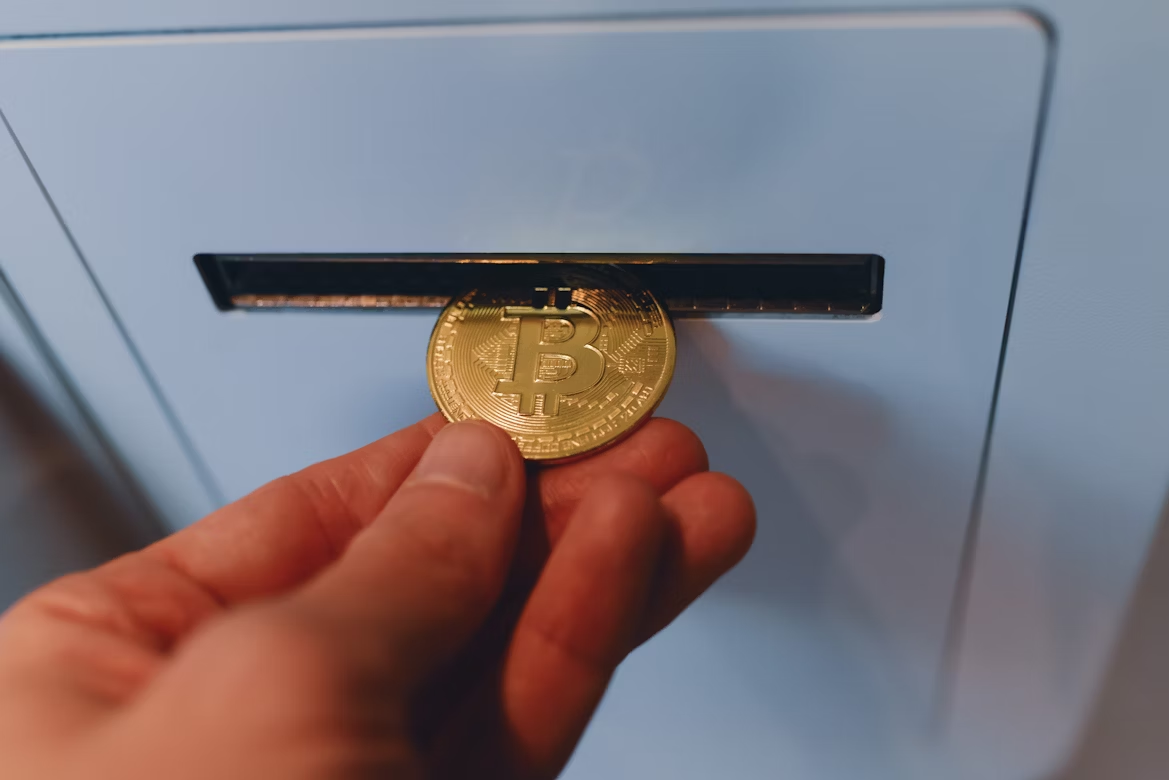
Bitcoin ATMs, or BTMs, are one of the fastest ways to convert cash into Bitcoin. Users insert physical currency, select the amount of Bitcoin they wish to purchase, and scan their wallet QR code. The machine then transfers the Bitcoin directly.
As of 2025, there are more than 33,000 Bitcoin ATMs globally, with the largest concentrations in the United States, Canada, and parts of Europe. Fees, however, can be higher compared to online exchanges, averaging between 6–12%.
2. Peer-to-Peer (P2P) Cash Transactions
Platforms like Paxful and LocalBitcoins (before its 2023 closure) popularized the idea of connecting buyers and sellers who prefer cash. Today, several new platforms and community groups continue to facilitate these exchanges.
Buyers typically meet sellers in public locations, exchange cash, and receive Bitcoin in their wallets. While this method can offer competitive rates, it also requires caution and trust, as the transaction involves a face-to-face exchange.
3. Over-the-Counter (OTC) Services
Institutional investors or high-net-worth individuals often use OTC brokers who accept large cash deposits for direct Bitcoin purchases. This option is highly secure but usually requires verification, making it less private compared to smaller peer-to-peer cash deals.
The Risks and Precautions
While buying with cash offers benefits, it also carries risks. Fraudulent sellers, counterfeit bills, and security concerns during in-person meetings are ongoing challenges. Digital asset management specialists recommend meeting in public places, verifying wallet addresses carefully, and using escrow services where possible.
Regulatory compliance is another factor. Depending on jurisdiction, certain cash transactions may require identity verification to meet anti-money laundering (AML) laws. Investors should ensure they comply with local regulations before proceeding.
The Bigger Picture
The ability to buy Bitcoin with cash underscores crypto’s evolution into mainstream finance. As regulators tighten oversight of centralized exchanges, the resilience of peer-to-peer and cash-based methods demonstrates the currency’s decentralized roots. With stablecoin interoperability, CBDC pilots, and global regulatory frameworks emerging, Bitcoin’s accessibility through multiple channels highlights its lasting role in digital finance.
While cash transactions may represent a smaller share of today’s Bitcoin economy, they continue to meet specific needs for investors who value privacy, speed, and accessibility. As technology and regulation evolve, the option to buy Bitcoin with cash will remain a key bridge between traditional finance and digital assets.
Digital asset management consultants at Kenson Investments track these developments closely, offering insights into how traditional money and digital assets intersect. Join the tribe to stay informed with Kenson’s insightful updates as you explore the future of cryptocurrency investment.
Disclaimer: The information provided on this page is for educational and informational purposes only and should not be construed as financial advice. Crypto currency assets involve inherent risks, and past performance is not indicative of future results. Always conduct thorough research and consult with a qualified financial advisor before making investment decisions.
“The crypto currency and digital asset space is an emerging asset class that has not yet been regulated by the SEC and US Federal Government. None of the information provided by Kenson LLC should be considered as financial investment advice. Please consult your Registered Financial Advisor for guidance. Kenson LLC does not offer any products regulated by the SEC including, equities, registered securities, ETFs, stocks, bonds, or equivalents”