Digital Asset Basics

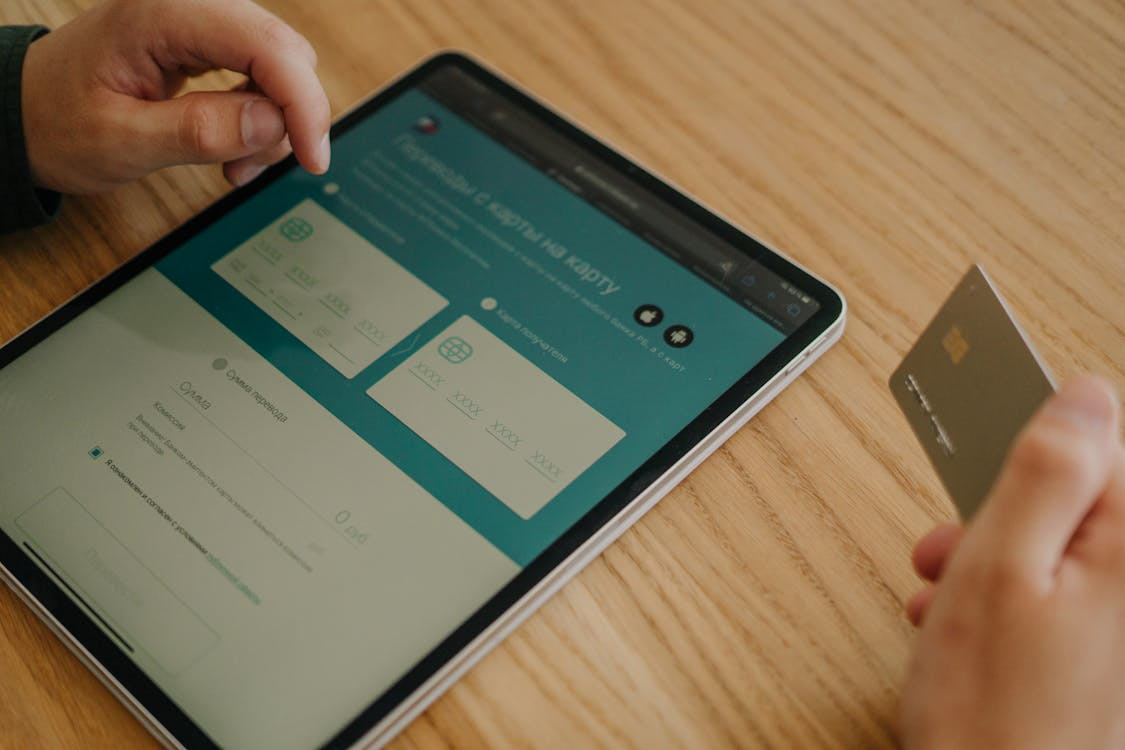
Tokenized IoT transactions processed securely across blockchain infrastructure

Machine-to-Machine Payments – The Institutional Case for IoT Tokenization

Global industries are moving closer to an economy where machines no longer just collect data but also exchange value in real time. Forecasts suggest that by 2030, over 25 billion IoT devices will be in active use worldwide. These machines—from autonomous vehicles to smart grid systems—require a secure and efficient way to handle microtransactions.

Bitcoin image

Digital Asset Forensics – Tracing Value Flows Across Blockchains

Cryptocurrencies have rewritten the rules of global finance. A single transaction can move millions across borders in seconds, bypassing traditional intermediaries and central banks. This speed and efficiency attract institutional investors, but the same characteristics make digital assets highly vulnerable to illicit use.

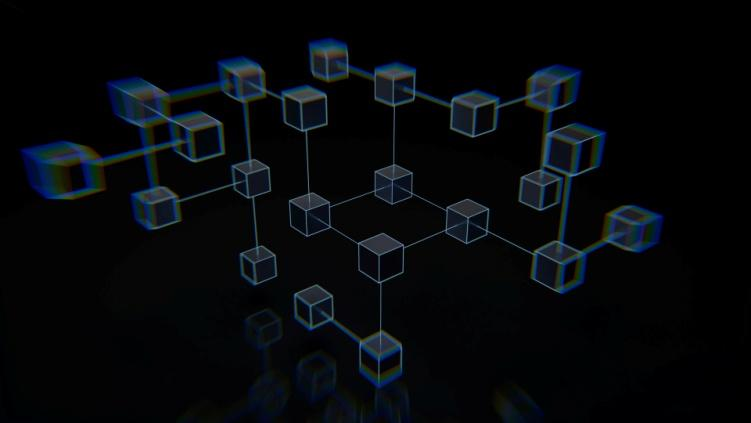
interconnected multi-chain blockchain networks and potential vulnerabilities.

Cross-Chain Security Risks – When Bridges Fail

Cross-chain bridges have become essential infrastructure in the digital asset ecosystem, enabling value to flow between blockchains. Yet as their role has expanded, so have their vulnerabilities. In recent years, bridge exploits have accounted for some of the largest losses in decentralized finance, raising urgent questions about systemic risk, institutional exposure, and the future of multi-chain integration.

Blockchain synthetic assets providing global access to equities, commodities, and currencies

Synthetic Assets 2025 – The Line Between Derivatives and Tokenization

Synthetic assets are shaping a critical debate in 2025: how do blockchain-based financial products relate to, or diverge from, traditional instruments? By using smart contracts and decentralized platforms, synthetic tokens replicate the price performance of equities, foreign exchange, or commodities—without requiring ownership of the actual asset. This innovation is expanding access to markets but also raising new challenges in regulation, liquidity, and compliance.

Bitcoin cryptocurrency representing digital technology and blockchain innovation

Digital Sovereignty and Blockchain – Institutional Control in a Global Market

The global economy is increasingly defined by digitization, interconnected systems, and complex regulatory landscapes. For institutions, navigating this environment requires more than operational agility—it demands sovereignty over data, transactions, and governance frameworks. Blockchain technology has emerged as a strategic tool, enabling organizations to assert digital independence while ensuring compliance with cross-border rules.

Get In Touch