
Digital Asset Basics

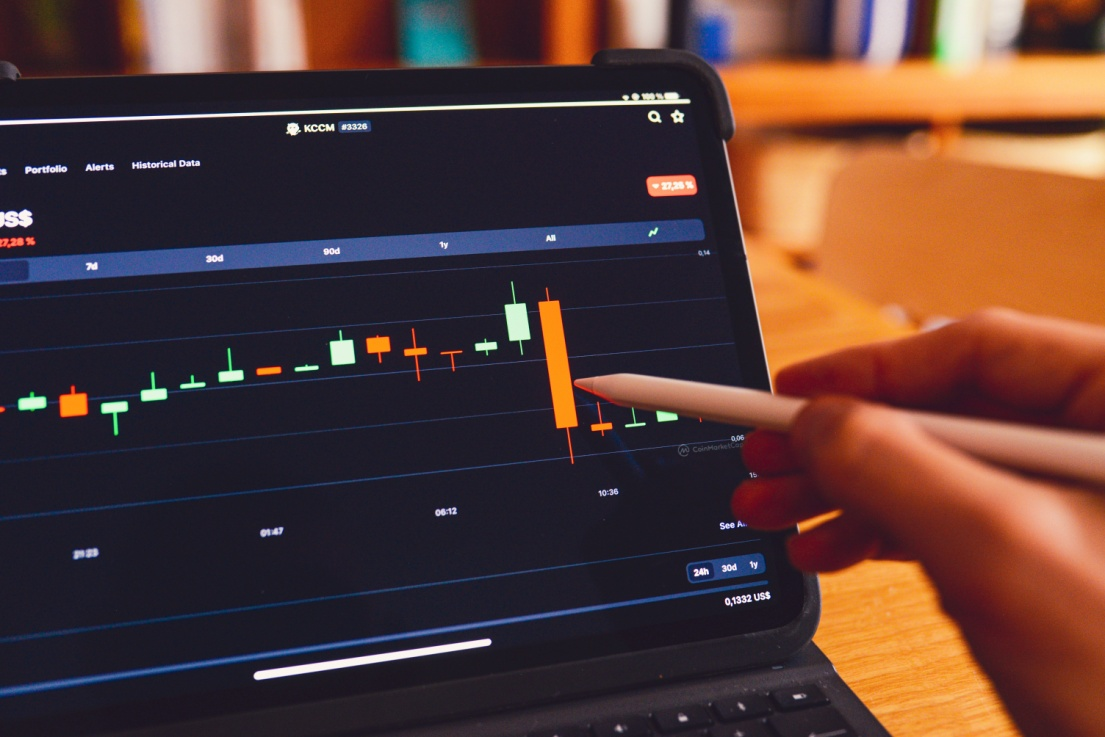
Blockchain transaction confirmations visualizing latency as a visible operational factor

Time as a Financial Variable – How Blockchains Reprice Latency, Cutoffs, and Business Days

Time has always been a governing variable in financial systems. From market opening bells to settlement cutoffs and holiday schedules, traditional finance relies on fixed temporal boundaries to manage operational flow and risk. These structures shape liquidity access, transaction sequencing, and error correction. Blockchain-based systems remove many of these constraints, transforming time itself into a continuously priced operational variable rather than a scheduling limitation.


Analyst reviewing blockchain network data and validator risk metrics on a laptop in a professional setting.

Validator Economics – Understanding Incentives, Concentration, and Network Risk

As digital asset markets mature, attention is shifting from token price behavior to the mechanics that keep networks running. Validator economics sit at the center of that shift. For institutions engaging with blockchain-based systems, validator design is no longer a technical footnote. It is a material source of operational and governance risk.

Abstract 3D network of interconnected blocks illustrating multi-chain communication pathways.

Institutional Blockchain Interoperability – Why Messaging Standards Matter More Than Bridges

Interoperability has become one of the most misunderstood concepts in digital finance. Bridges tend to dominate the conversation, but institutions have learned that bridging solves a different problem than the one they actually face. Bridges move tokens. Institutions, however, need synchronized identity checks, lifecycle instructions, audit trails, and compliance logic to move with the transaction. This shift in priorities explains why messaging-led frameworks are emerging as the foundation of institutional interoperability.

Get In Touch