








For decades, cross-border payroll has been one of the most complex and costly aspects of multinational operations. Currency conversions, settlement delays, and compliance requirements weigh heavily on corporate treasury teams. By 2025, blockchain is reshaping this picture. Tokenized payroll rails, powered by stablecoins and programmable smart contracts, are enabling multinationals to compensate employees in near real-time, with tax and compliance logic built directly into the transaction.
This development parallels other enterprise blockchain breakthroughs. Just as blockchain trade finance has reduced fraud in letters of credit and institutional supply chain digitization has enhanced transparency, tokenized payroll is bringing efficiency and trust to one of the most fundamental financial workflows: paying people.
The Inefficiencies of Traditional Payroll
Cross-border payroll is often fragmented across banks, intermediaries, and local clearing systems. According to Deloitte, payroll errors affect nearly 20% of global organizations annually, often resulting in overpayment, underpayment, or compliance penalties.
Average settlement times can stretch to five days, and fees often range from 3% to 6% of payroll value for remittances and conversions. For firms with thousands of overseas employees, these inefficiencies amount to millions in annual costs.
Tokenization as a Payroll Rail
Tokenization changes the mechanics of payroll. Instead of routing funds through correspondent banks, companies can issue stablecoins or localized tokens tied to employee jurisdiction. Smart contracts automate distribution, while compliance parameters, such as tax withholding, social security contributions, or labor law checks, are embedded into code.
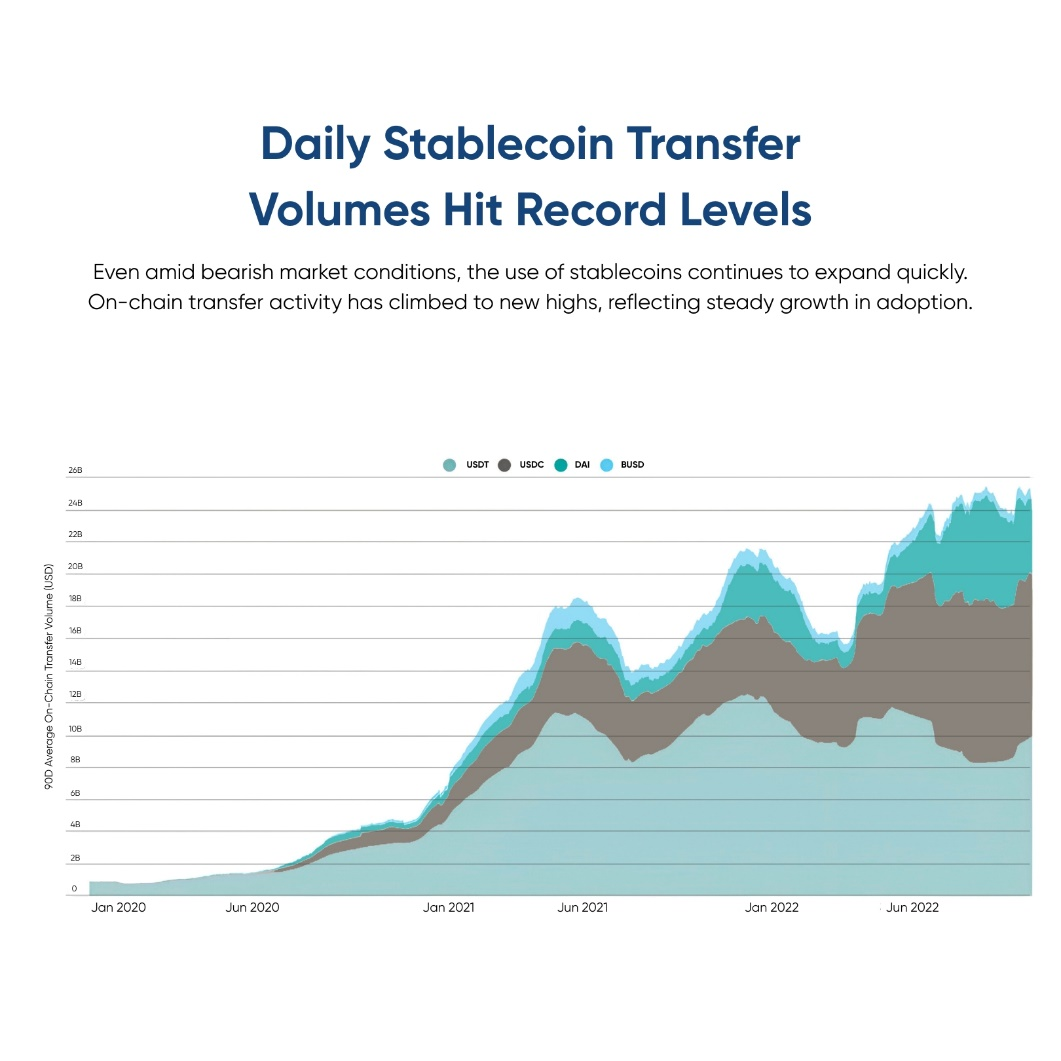
Stablecoins like USDC and tokenized bank money are particularly suited for payroll given their price stability. By 2024, stablecoin transaction volumes surpassed $6 trillion, according to CoinMetrics, making them one of the fastest-growing categories of digital assets.
For employees, tokenized payroll delivers funds directly to digital wallets. Workers in emerging markets, where banking access is limited, can benefit from faster liquidity and programmable conversion into local currencies.
Early Adoption by Multinationals
Several multinationals have begun trials:
- Tech firms in Southeast Asiaare compensating contractors in USDC to bypass high FX conversion costs.
- Global shipping companiesare piloting tokenized payroll rails for seafarers, integrating stablecoin payouts with real-time compliance checks for tax obligations.
- Professional services firmsare testing hybrid models, where partial salaries are issued in fiat and partial in tokens, offering employees flexible access to financial services.
These pilots show parallels with institutional supply chain digitization projects, where early adoption revealed both technical benefits and compliance hurdles before broader rollouts.
Institutional Considerations
While tokenized payroll offers speed and transparency, institutions must address key risks:
- Compliance:Payroll must meet strict local labor, tax, and reporting standards. Digital asset consulting for compliance ensures that programmable contracts align with these requirements.
- FX and stability:While stablecoins reduce volatility, treasury teams need risk models for conversion into local currencies.
- Custody and wallets:Employees must have secure access. Firms often work with a crypto investment consulting partner to implement secure distribution infrastructure.
- Data protection:Payroll involves sensitive personal information. Smart contract systems must embed encryption and identity safeguards.
This is where strategic digital asset consulting partners play a role, providing frameworks to assess jurisdictional readiness and risk exposure.
The Benefits for Multinationals
- Speed:Payroll settlement times shrink from days to seconds.
- Cost reduction:Intermediary and FX costs decline by as much as 70%, according to McKinsey’s 2024 report on tokenized payments.
- Transparency:Every transaction is auditable, reducing errors and disputes.
- Programmability:Tax withholding, compliance reporting, and employee benefit contributions can be automated.
- Employee empowerment:Staff can receive digital wages, convert to local currency, or access savings and lending products through integrated wallets.
For treasury teams, tokenized payroll is not just about efficiency; it represents a shift toward programmable finance, much like blockchain-based investment opportunities emerging across capital markets.
Market Size and Projections
The global payroll outsourcing market exceeded $10 billion in 2023, according to Grand View Research. Adding blockchain to the mix expands this into a high-growth niche of digital finance. Analysts project that tokenized payroll platforms could represent $1 trillion in transaction volume by 2030, driven by multinationals seeking cost reduction and compliance automation.
This aligns with broader digital asset trends. Stablecoins now account for nearly 10% of all crypto trading volume, while digital asset investments tied to programmable financial rails are forecast to grow at a compound annual rate above 20%.
Risk Management and Governance
Institutions must approach tokenized payroll with the same rigor applied to other financial transformations. This includes:
- Governance frameworks:Establishing oversight across HR, treasury, and compliance functions.
- Third-party evaluation:Evaluating digital asset consulting firms ensures that payroll rails meet enterprise-grade standards.
- Cybersecurity:Deploying secure digital asset consulting solutions to protect employee wallets.
- Scenario modeling:Simulating regulatory changes and FX volatility on payroll systems.
For investors, the presence of these controls is critical when assessing whether tokenized payroll platforms present scalable, investable opportunities.

Linking to Broader Blockchain Adoption
Tokenized payroll does not exist in isolation. It is part of a continuum of blockchain applications. In blockchain trade finance, automated settlement reduced fraud. In institutional supply chain digitization, tokenized ledgers improved traceability. Insurance markets are now experimenting with parametric triggers. Together, these advances point to an institutional future where finance is programmable, transparent, and global.
Tokenized payroll is simply the human-facing expression of these same efficiencies.
Investment Outlook
For institutional investors, tokenized payroll solutions represent exposure to the intersection of payments, compliance, and workforce management. This is a sector likely to attract:
- Venture capital fund managementexploring payroll-focused fintechs.
- Digital asset portfolio managementframeworks adding stablecoin-linked flows.
- Blockchain asset consultingfor enterprises looking to tokenize payroll processes.
The demand for digital fund advisory will expand as corporations weigh the benefits of integrating payroll into digital asset strategies. While direct investment in payroll platforms may remain niche, the underlying rails, stablecoins, custody solutions, compliance automation, are investable components.
Looking Ahead: Payroll as a Strategic Lever
By 2025, tokenized payroll will remain in pilot stages for most multinationals, but the trajectory is clear. As CBDCs mature and stablecoin regulation solidifies, payroll will be one of the first corporate functions to adopt programmable finance at scale.
For institutions, tokenized payroll is not merely about cost reduction, it is about gaining resilience in global workforce management, ensuring compliance in every jurisdiction, and unlocking transparency in one of the most sensitive financial functions.
Learn with Kenson Investments
Tokenized payroll is the next frontier of enterprise blockchain adoption. It combines efficiency with compliance, and it signals how programmable finance will shape corporate operations in the years ahead.
Kenson Investments is committed to advancing education around these shifts. From digital assets consulting to navigating the digital asset market, our research provides clarity on payroll tokenization, compliance frameworks, and the broader future of digital finance.
Stay ahead of global workforce transformation, explore Kenson Investments’ Knowledge Center for insights into tokenized payroll and the future of programmable finance.
Disclaimer: The information provided on this page is for educational and informational purposes only and should not be construed as financial advice. Crypto currency assets involve inherent risks, and past performance is not indicative of future results. Always conduct thorough research and consult with a qualified financial advisor before making investment decisions.
“The crypto currency and digital asset space is an emerging asset class that has not yet been regulated by the SEC and US Federal Government. None of the information provided by Kenson LLC should be considered as financial investment advice. Please consult your Registered Financial Advisor for guidance. Kenson LLC does not offer any products regulated by the SEC including, equities, registered securities, ETFs, stocks, bonds, or equivalents”