








Intellectual property has become one of the most valuable asset classes in the global economy. According to the World Intellectual Property Organization, international patent applications exceeded 278,000 in 2023, while worldwide IP-intensive industries account for nearly 40 percent of GDP in advanced economies. Yet despite this scale, the way patents, copyrights, and trademarks are managed and licensed remains fragmented and inefficient.
Today’s licensing agreements are burdened by jurisdictional differences, high administrative costs, and disputes over royalty accuracy. Cross-border enforcement is slow and opaque, leaving enterprises vulnerable to lost revenues and legal complications. Global companies spend billions each year in litigation and arbitration to defend or monetize their IP portfolios. For institutional investors, the lack of transparency in IP rights makes it difficult to treat intellectual property as an investable asset class with predictable returns.

Tokenized intellectual property is emerging as a solution to these challenges. By placing IP rights on chain, patents and licensing agreements can be represented as digital tokens. These tokens can be divided into fractional units, enabling multiple parties to hold or license portions of the same intellectual property. The result is a more flexible and liquid market where IP can be exchanged, licensed, or collateralized with far greater efficiency.
Enterprises exploring this opportunity are increasingly turning to digital asset consulting services for businesses to understand how tokenization can integrate with existing IP management systems. Working with a digital asset strategy consulting firm helps leadership teams assess potential markets, design licensing models, and mitigate risks. By engaging leading digital asset consulting specialists, corporations can develop customized digital asset consulting solutions that align tokenized IP initiatives with broader digital transformation strategies.
Intellectual property is increasingly central to enterprise value creation. As tokenization transforms patents and licensing agreements into transparent and tradable digital assets, global enterprises and institutional investors are entering a new era of innovation, liquidity, and compliance.
What Tokenized Intellectual Property Means
At its core, tokenized intellectual property refers to the process of converting patents, trademarks, copyrights, or trade secrets into digital tokens on a blockchain. These tokens act as verifiable representations of ownership, usage rights, or licensing agreements, allowing enterprises and investors to treat IP with the same liquidity and transparency as other tokenized assets.
The mechanics of IP tokenization involve creating a digital record of the intellectual property asset, linking it to a blockchain ledger, and issuing tokens that correspond to specific rights. These tokens can then be fractionally divided, transferred, or licensed, depending on the needs of enterprises, research institutions, or investors. Unlike traditional IP management, where enforcement is often reactive and paper-based, tokenized intellectual property ensures that rights are transparent and instantly verifiable.
Fractional Licensing and Market Expansion
One of the most significant advantages of tokenization is fractional licensing. Traditionally, licensing agreements for patents or trademarks are negotiated in bulk, often requiring large upfront payments that smaller companies cannot afford. With tokenized intellectual property, rights can be divided into smaller units, opening new opportunities for startups, small enterprises, and international partners. A single pharmaceutical patent, for example, could be fractionally licensed to multiple manufacturers in different jurisdictions, each paying royalties that are automatically tracked and distributed via smart contracts.
Fractional licensing also enables intellectual property owners to monetize unused or underutilized assets. Universities, for instance, hold vast patent portfolios that rarely reach commercialization. Tokenizing these patents would allow them to license fractions to startups or corporate R&D teams, creating a more efficient innovation ecosystem. For investors, this creates access to a new class of assets where risk can be spread across multiple IP holdings rather than concentrated in a single agreement.
Automated Royalties and Transparent Enforcement
Blockchain patent licensing brings automation to one of the most contentious aspects of intellectual property: royalty distribution. With smart contracts, royalty payments can be tied directly to usage data, ensuring creators and owners receive accurate compensation. This reduces disputes, lowers legal costs, and enhances compliance across borders.
For enterprises, transparent enforcement is equally valuable. Tokenized IP creates a global record of licensing agreements and transfers, reducing the chances of duplicate licensing or unauthorized usage. Regulators and compliance officers benefit as well, since blockchain records provide an auditable trail of all transactions, aligning with international reporting standards.
Institutional and Enterprise Integration
The adoption of tokenized intellectual property requires expertise across technology, law, and finance. Enterprises often work with a global digital asset consulting firm to design systems that comply with international regulations. Digital asset advisory services provide insights into how tokenization fits within broader enterprise strategies, while consulting on digital asset management ensures that IP portfolios are managed with institutional-grade security and governance.
For organizations considering tokenization projects, evaluating digital asset consulting firms helps in selecting providers with the right track record. Companies often seek best practices in digital asset consulting to ensure that tokenized IP initiatives are scalable and sustainable. Many enterprises prefer innovative solutions in digital asset consulting, engaging strategic digital asset consulting partners to build platforms that integrate seamlessly with existing ERP and legal systems.
Tokenized intellectual property is more than a technological development. It is a structural shift in how patents, copyrights, and trademarks are valued, licensed, and enforced across global markets. By digitizing ownership and introducing fractional access, enterprises can unlock new liquidity streams while investors gain access to intellectual property as a tradeable, verifiable, and transparent asset class.
Blockchain Patent Licensing in Action
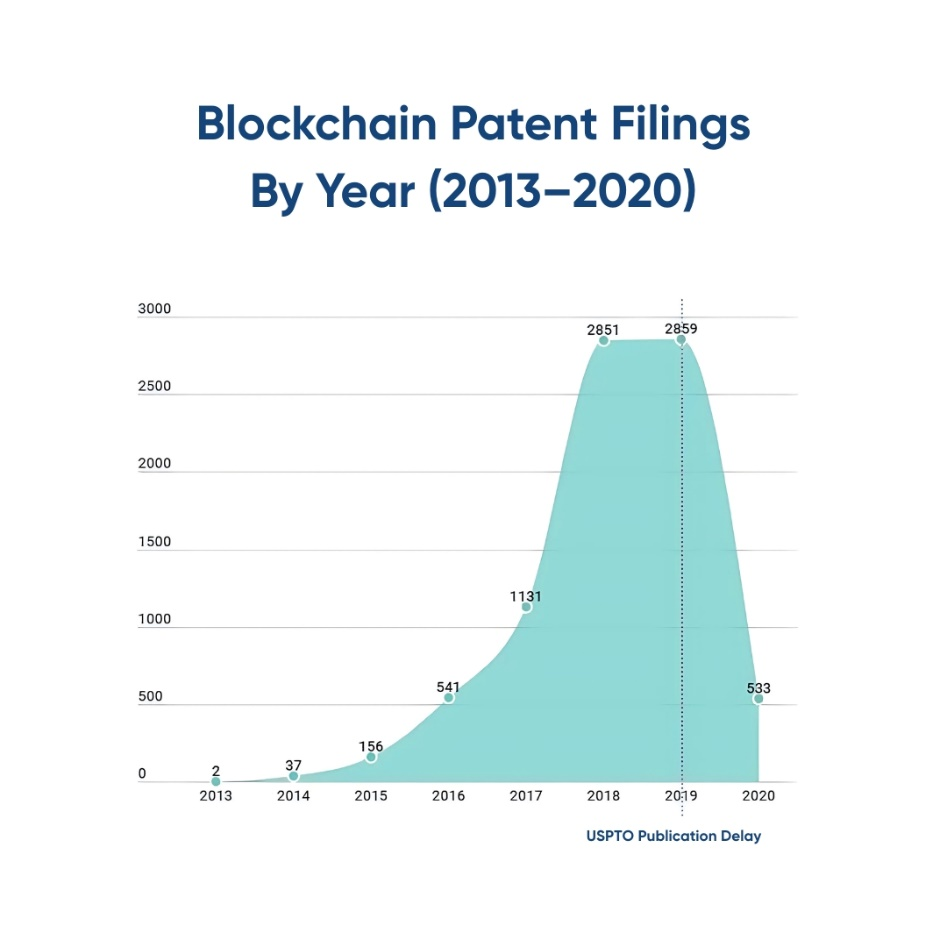
While tokenized intellectual property introduces the foundation for digitizing ownership, blockchain patent licensing brings it to life through automation. Licensing agreements are among the most important mechanisms for monetizing intellectual property, yet they are also some of the most complex. They span multiple jurisdictions, require accurate reporting, and often involve significant legal and administrative overhead. Blockchain can streamline these processes by embedding licensing terms directly into smart contracts that execute automatically.
Smart Contract–Driven Licensing Agreements
In a blockchain environment, patent licenses can be structured as smart contracts that define specific usage rights, territories, and durations. Once executed, these agreements operate without the need for constant manual oversight. For example, if a biotech company licenses a patented molecule to a research partner, the smart contract can automatically calculate royalty obligations as the partner scales up production. By removing the manual steps, disputes over underreporting or delayed payments are minimized.
Smart contracts also make it easier to enforce licensing agreements across borders. Instead of relying solely on legal systems in each jurisdiction, blockchain provides a universal record of ownership and licensing terms. This global transparency is particularly valuable for enterprises that rely on multinational partnerships.
Automated Royalty Payments
Royalty distribution is a persistent challenge in intellectual property management. Traditional systems depend on audits and manual verification, often leading to underpayment or litigation. Blockchain patent licensing addresses this by linking royalties directly to usage data and triggering automatic payments through smart contracts.
Imagine a software firm licensing its code to multiple enterprises. Each time the licensed code is deployed, usage metrics recorded by oracles feed into the blockchain. The smart contract instantly calculates royalties owed and distributes them to the IP owner’s wallet. This automation not only reduces operational costs but also enhances trust between licensors and licensees.
Transparent Tracking Across Jurisdictions
Another advantage of blockchain-based licensing is transparent tracking. Each license issued, transferred, or terminated is recorded immutably on the blockchain, creating an auditable trail for regulators, auditors, and counterparties. This addresses one of the biggest challenges in global IP management: enforcing agreements across multiple jurisdictions with inconsistent standards.
With blockchain, enterprises and regulators can verify licensing activity in real time. This transparency reduces risks of double licensing, infringement, or fraudulent claims. It also simplifies compliance with international frameworks, making it easier for enterprises to manage licensing portfolios that span dozens of countries.
Consulting and Implementation Support
Deploying blockchain patent licensing is not a plug-and-play exercise. Enterprises often rely on digital asset consulting services for businesses to evaluate use cases and compliance requirements. A digital asset strategy consulting firm can help structure contracts to reflect local and international laws while ensuring they remain enforceable on chain.
Blockchain patent licensing is not simply about digitizing agreements. It is about transforming licensing into a transparent, automated, and globally enforceable system that reduces costs, accelerates payments, and opens ne
Institutional Use Cases and Market Opportunities
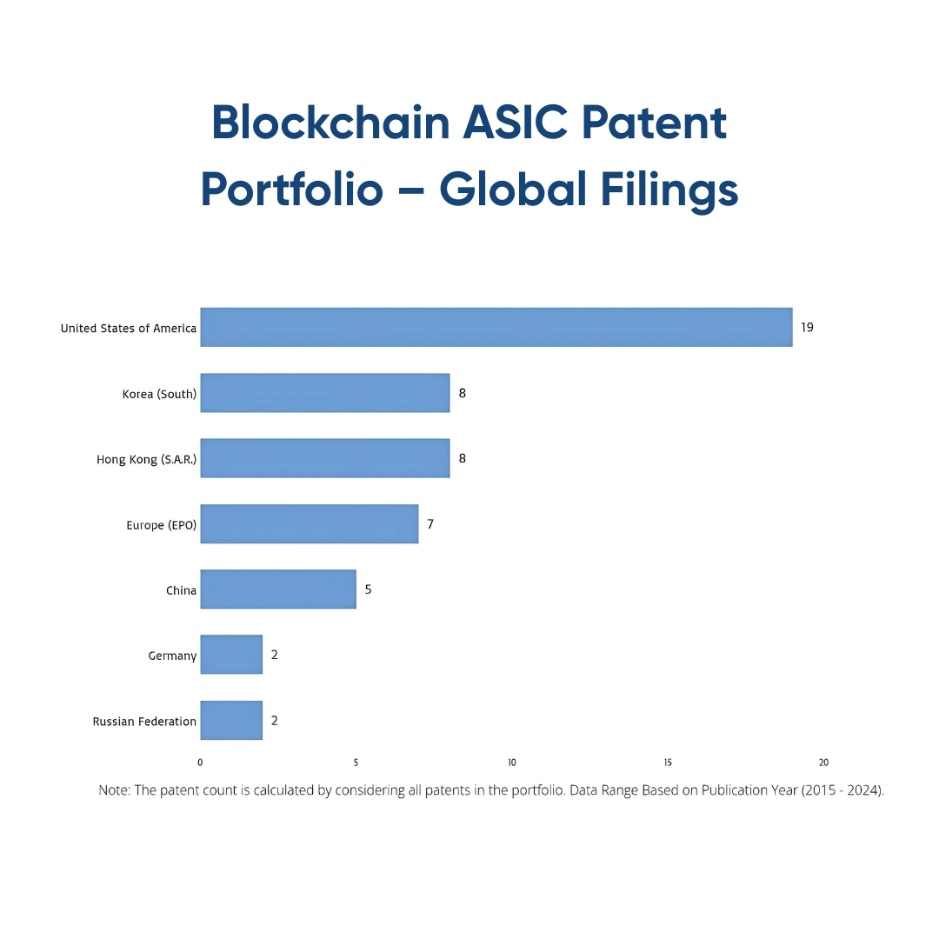
Tokenized intellectual property and blockchain patent licensing are not abstract concepts. They are being tested in industries where intellectual property is the backbone of enterprise value. From pharmaceuticals and semiconductors to universities and institutional investors, tokenization is opening entirely new ways to monetize and protect intangible assets.
Pharmaceuticals and Biotech
Pharmaceutical patents are among the most valuable forms of IP in the world, often representing billions of dollars in potential revenues. Yet licensing these patents across jurisdictions is cumbersome, especially when royalty agreements involve multiple manufacturers. Tokenized intellectual property provides a solution by enabling fractional licensing and real-time royalty distribution.
For example, a pharmaceutical company developing a new vaccine could tokenize its patent, issuing fractional licenses to manufacturers in different regions. Smart contracts would automate royalty payments as production milestones are met, ensuring accurate compensation without delays. This not only improves transparency but also accelerates time-to-market for life-saving products.
Semiconductors and Technology Supply Chains
The semiconductor industry depends heavily on cross-licensing agreements, where companies share patents covering manufacturing processes, chip designs, and software integrations. These agreements are critical but highly complex. Blockchain patent licensing simplifies them by embedding terms into smart contracts that execute across borders.
For institutions managing these supply chains, tokenized IP reduces disputes and provides a transparent audit trail of licensing activity. Investors also gain visibility into how revenues are generated, creating a clearer valuation framework for technology companies with vast patent portfolios.
Universities and Research Institutions
Universities are prolific generators of intellectual property, filing thousands of patents annually. Yet much of this IP remains dormant because commercialization is slow and resource-intensive. Tokenized intellectual property offers universities a way to unlock new liquidity by fractionalizing patents and licensing them to startups or corporate partners.
For research institutions, blockchain-based licensing also creates new funding opportunities. Tokenized IP can be bundled into portfolios that attract institutional investors interested in supporting innovation while receiving a share of future royalties. This model democratizes access to research while aligning universities with enterprise partners.
Institutional Investors
For investors, tokenized intellectual property represents an entirely new asset class. Intellectual property has traditionally been illiquid, difficult to value, and hard to trade. With tokenization, patents and licensing agreements become digital assets that can be fractionalized, exchanged, or securitized.
Institutional investors can gain exposure to diversified IP portfolios through tokenized funds, much like they already do with real estate or infrastructure. Insurance companies, pension funds, and family offices could allocate capital into tokenized IP products that deliver uncorrelated returns. In a world where intangible assets account for over 80 percent of S&P 500 market value, the ability to invest in intellectual property directly is a significant evolution.
Consulting and Enterprise Enablement
As adoption grows, institutions are increasingly seeking guidance from a blockchain asset investments consultant to understand how tokenized IP fits within portfolios. Enterprises are also engaging digital asset investment solutions providers and digital fund advisory teams to design tokenized structures for intellectual property.
Tokenized intellectual property is not simply a new financial tool. It is a gateway to new markets where enterprises, universities, and investors can collaborate, innovate, and create value more efficiently than ever before.
Compliance, Governance, and Consulting
The adoption of tokenized intellectual property and blockchain patent licensing cannot be separated from the regulatory environment. Intellectual property is governed by laws that differ significantly across jurisdictions, and these differences create complexity when translating rights into digital tokens. Enterprises and investors must ensure that tokenization frameworks align with international standards, protect stakeholders, and deliver enforceable rights.
Regulatory Complexity
Patent law, copyright protections, and licensing frameworks vary from country to country. A patent enforceable in the United States may not hold the same protection in Asia or Europe. When tokenized, this divergence creates questions around how digital rights are recognized globally. Regulators and courts are still determining how smart contracts align with established IP laws, which makes governance frameworks essential.
For enterprises, compliance is not optional. A tokenized licensing system must ensure that contracts remain legally enforceable, that royalties are distributed in accordance with national laws, and that data is protected under privacy regulations. Failure to address these requirements could expose organizations to disputes or penalties, undermining the benefits of tokenization.
Governance and Auditability
Tokenized intellectual property platforms require governance structures that balance automation with oversight. While smart contracts can manage royalties and licensing, governance frameworks are necessary to resolve disputes, manage exceptions, and maintain data integrity. Enterprises must also ensure that every licensing transaction is auditable, providing regulators and stakeholders with a clear trail of ownership and usage rights.
This is where digital asset consulting services for businesses are proving invaluable. A global digital asset consulting firm can guide enterprises in building governance models that align with international regulations while leveraging the transparency of blockchain. Engaging digital asset consulting for compliance ensures that smart contracts embed legal obligations and reporting standards.
Consulting as a Strategic Enabler
Institutions are increasingly partnering with leading digital asset consulting specialists to design systems that integrate IP tokenization into existing enterprise workflows. Some corporates prefer customized digital asset consulting solutions tailored to industry-specific needs, while others adopt comprehensive digital asset consulting services that cover governance, auditability, and data protection.
Universities, asset managers, and corporate treasuries often seek digital asset advisory services and consulting on digital asset management to align tokenized IP initiatives with broader investment strategies. For investors, evaluating digital asset consulting firms is a critical step in selecting partners capable of implementing best practices in digital asset consulting across industries.
Building Trust in a New Market
Ultimately, compliance and governance are about building trust. Tokenized intellectual property has the potential to unlock trillions of dollars in enterprise value, but this can only happen if stakeholders believe the system is transparent, secure, and enforceable. With the support of strategic digital asset consulting partners and innovative solutions in digital asset consulting, enterprises can mitigate risks, strengthen governance, and pave the way for sustainable adoption.
Future Outlook: IP as a Digital Asset Class
By 2030, tokenized intellectual property is likely to stand alongside real estate and infrastructure as a major category of tokenized assets. Intangible assets already account for more than 80 percent of S&P 500 market value, yet they remain largely illiquid and difficult to price. Tokenization promises to change that by transforming patents, copyrights, and licensing agreements into transparent, auditable, and tradable digital instruments.
Integration with Capital Markets
The next evolution of tokenized intellectual property will be its integration with capital markets. IP-backed securities, structured as bonds or funds, could provide investors with exposure to diversified portfolios of patents and licensing agreements. For example, pharmaceutical patents could be bundled into tokenized funds where investors receive royalties proportionally to their holdings. Similarly, technology companies could collateralize patents for borrowing in tokenized lending markets.
Enterprises are already exploring pilot programs where tokenized IP serves as collateral for loans. With automated royalty flows from blockchain patent licensing, lenders gain confidence in repayment schedules, creating new financing channels for innovation. For institutional investors, this opens a pathway to digital asset investment solutions that blend intellectual property with traditional fixed-income strategies.
Interoperability Across Jurisdictions
One of the most pressing challenges will be harmonizing intellectual property tokenization across jurisdictions. By 2027, more international organizations are expected to establish frameworks for cross-border recognition of digital IP rights. Interoperability will also extend into decentralized finance, where tokenized IP could be staked or used in liquidity pools. For investors, this means IP could become a key part of navigating the digital asset market and investing in the digital age.
Institutional Adoption and Risk Management
As enterprises and investors embrace tokenized intellectual property, demand for risk management will grow. Institutions will require digital asset management consulting services and secure digital asset consulting solutions to safeguard sensitive data and ensure compliance. A digital asset management company may provide dashboards for monitoring tokenized IP portfolios, while portfolio management consultants and digital fund advisory teams help integrate IP-backed securities into broader strategies.
At the same time, institutional investors will compare tokenized IP products with altcoins vs. major cryptocurrencies, evaluating them as part of diversified allocations. Some may rely on a cryptocurrency investment consultant to assess whether IP tokens offer better stability than stablecoins for investment.
Long-Term Vision
Looking further ahead, tokenized intellectual property could become a foundation for global enterprise collaboration. Imagine multinational corporations pooling patents into shared tokenized platforms that allow partners to license innovations instantly, with royalties flowing automatically across borders. Venture capital firms may explore fund management services and venture capital fund management structures that incorporate IP tokenization into startup funding models.
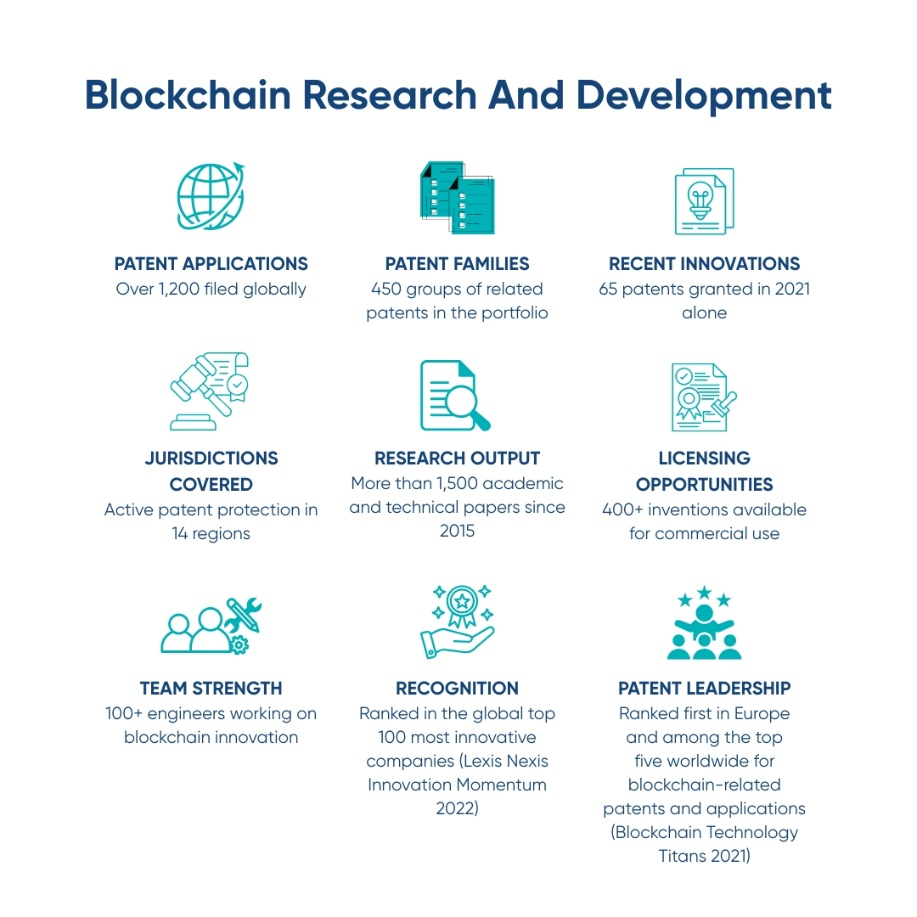
Filename: blockchain-patent-use-cases
Alt text: Infographic listing use cases for blockchain patents
Caption: Use cases for blockchain patents include tracking, licensing, dispute reduction, and enforcement automation
For investors, the long-term opportunity lies in digital asset investments that combine transparency, liquidity, and real-world utility. As IP becomes a digital asset class, institutions will seek innovative investment solutions to ensure stable growth. The result will be a global marketplace where ideas are not only protected but also efficiently monetized and shared.
Partner with Kenson Investments on the Future of Tokenized IP
Tokenized intellectual property and blockchain patent licensing are redefining how enterprises protect, license, and monetize innovation. From fractional licensing to automated royalty flows, these technologies open new markets for global enterprises and investors while ensuring transparency and compliance.
Kenson Investments is here to help you navigate this transformation. As a global digital asset consulting firm, we provide comprehensive digital asset consulting services that bridge the gap between intellectual property law, technology, and capital markets. Our team designs customized digital asset consulting solutions for enterprises, startups, and investors seeking to integrate tokenized IP into their strategies.
Whether you are exploring blockchain and digital asset consulting, seeking digital asset advisory services, or aligning with strategic digital asset consulting partners, Kenson delivers independent insights and actionable frameworks. For institutions evaluating tokenized IP as part of their portfolios, our guidance ensures clarity, compliance, and confidence.
Intellectual property is becoming a digital asset class. Let Kenson Investments help your organization capture the opportunities ahead.
Disclaimer: The information provided on this page is for educational and informational purposes only and should not be construed as financial advice. Crypto currency assets involve inherent risks, and past performance is not indicative of future results. Always conduct thorough research and consult with a qualified financial advisor before making investment decisions.
“The crypto currency and digital asset space is an emerging asset class that has not yet been regulated by the SEC and US Federal Government. None of the information provided by Kenson LLC should be considered as financial investment advice. Please consult your Registered Financial Advisor for guidance. Kenson LLC does not offer any products regulated by the SEC including, equities, registered securities, ETFs, stocks, bonds, or equivalents”