








Institutional insurance markets are under increasing pressure. Global insured losses from natural catastrophes alone reached $108 billion in 2023, according to Swiss Re, with climate-related events accounting for more than 70% of payouts. At the same time, cybercrime damages are projected to exceed $10.5 trillion annually by 2025 (Cybersecurity Ventures), putting insurers and reinsurers under enormous strain. Traditional insurance models, built on lengthy claims processes, opaque reinsurance structures, and static risk models, are struggling to keep pace.

Against this backdrop, blockchain insurance markets are emerging as a credible alternative. By enabling tokenized risk pools and smart contract–based parametric coverage, institutions can access faster, more transparent, and more efficient protection. These systems reduce reliance on intermediaries, lower operating costs, and provide certainty in payout timing, a crucial advantage when managing risks tied to climate events, cyberattacks, or supply chain disruptions.
Why Traditional Models Fall Short
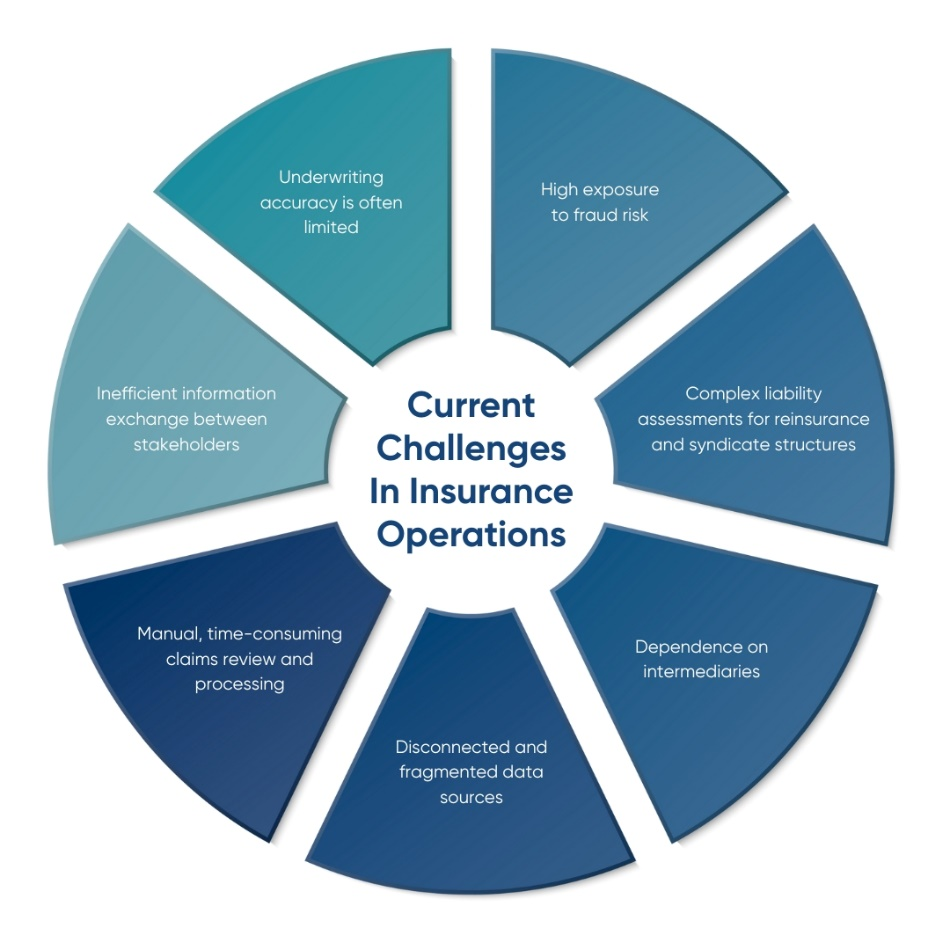
Conventional indemnity-based insurance depends on loss assessment, claims adjustment, and negotiation. This process often takes months, tying up liquidity precisely when businesses need it most. Institutions exposed to catastrophic weather or systemic cyberattacks face operational challenges when payouts lag. Moreover, reinsurers face growing capital adequacy concerns, especially as climate volatility pushes historical models beyond their limits.
The limitations aren’t just about speed, they’re about trust. Policyholders must rely on insurers to evaluate claims fairly, while regulators must monitor solvency across complex global chains. In contrast, blockchain insurance markets provide a shared ledger where policies, claims, and payouts are transparent, verifiable, and enforceable through code.
Blockchain as a New Insurance Layer
In blockchain-based systems, risk is pooled through tokenization, and payouts are governed by smart contracts linked to parametric triggers. Instead of debating how much damage a hurricane caused, the contract can automatically release funds once wind speeds exceed a threshold or rainfall passes a certain level. This eliminates subjectivity, reduces fraud, and accelerates capital deployment to affected institutions.
For corporates, these innovations represent more than just a new insurance product, they provide resilience. Tokenized pools can be tailored to unique institutional exposures, while parametric structures give CFOs predictability in risk transfer. Investors also benefit, as blockchain-based instruments can be packaged into insurance-linked securities (ILS) with real-time transparency, broadening access to institutional capital markets.
The Role of Consulting in Adoption
Transitioning from legacy insurance models to blockchain-native systems requires careful planning. This is where digital asset consulting services for businesses come in, guiding insurers, reinsurers, and corporates through integration. A digital asset strategy consulting firm can help model tokenized pools, while leading digital asset consulting teams advise on compliance and governance. Institutions are also turning to customized digital asset consulting solutions to align blockchain-based coverage with existing risk management frameworks.
Across the industry, adoption is being supported by blockchain and digital asset consulting practices. Whether it’s corporates exploring protection for climate-related exposures or insurers piloting cyber risk pools, secure digital asset consulting solutions ensure systems are resilient and regulatory-ready. For early-stage ventures in insurance technology, digital asset consulting for startups provides guidance on scalability and institutional market entry.
The insurance industry is at a crossroads. Institutions can continue to rely on traditional indemnity structures strained by climate and cyber risks, or they can explore blockchain insurance markets, where risk pools and parametric triggers create efficiency, transparency, and trust for the next generation of institutional risk transfer.
The Rise of Tokenized Risk Pools
Insurance has always been about distributing risk, but the way that risk is pooled and transferred is changing rapidly. Traditional insurers and reinsurers aggregate exposures across policyholders, relying on actuarial models and diversification to remain solvent. While this model has worked for centuries, it is increasingly stressed by climate change, systemic cyberattacks, and geopolitical volatility. Blockchain technology introduces a new layer to this process: tokenized risk pools.
How Tokenized Risk Pools Work
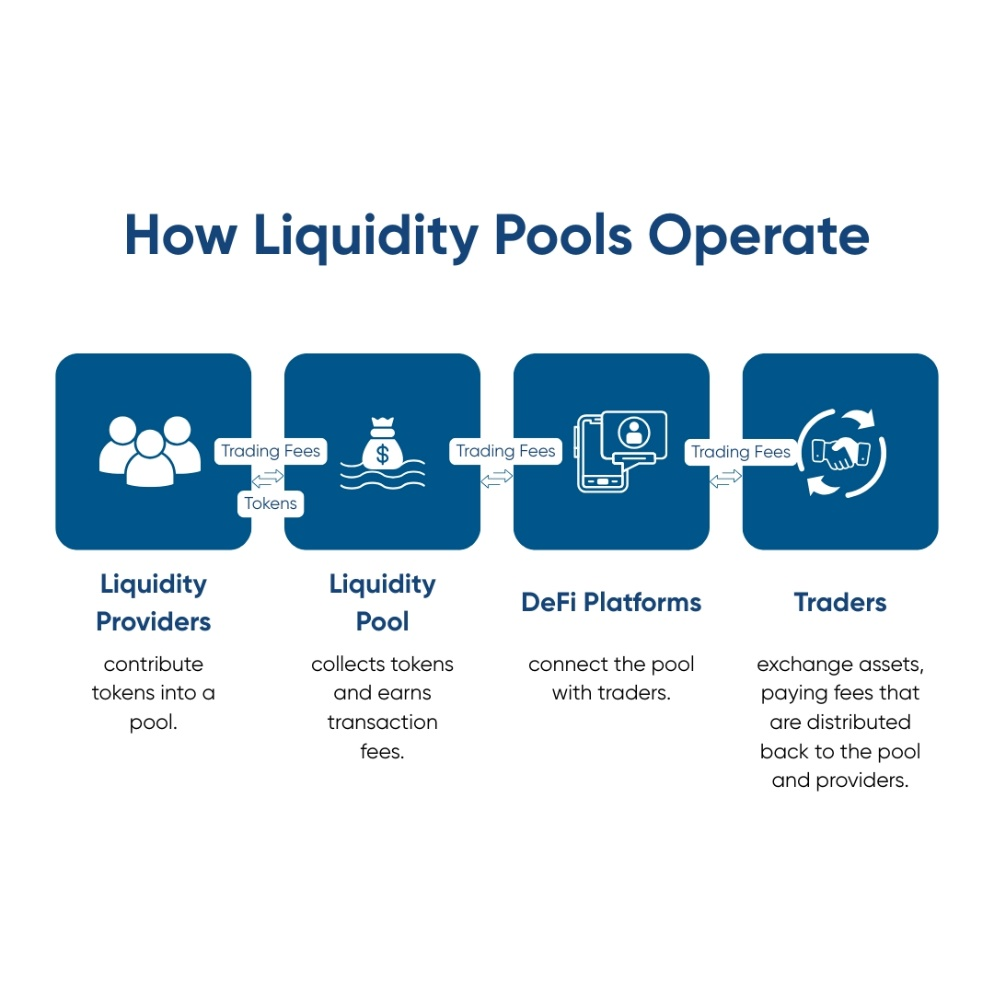
Tokenization allows risk capital to be broken down into digital units that represent fractional participation in an insurance pool. These tokens can be purchased by institutions, funds, or even individual accredited investors. In return, participants provide capacity to underwrite specific risks, from hurricanes in Florida to ransomware attacks on financial institutions.
Smart contracts embedded within these pools govern the rules of engagement. They specify the conditions under which payouts occur, distribute premiums proportionally, and return profits or losses back to token holders. Because every transaction is recorded on chain, participants benefit from full transparency on how capital is deployed and how claims are handled.
Institutional Relevance
For institutional investors, tokenized risk pools represent an opportunity to diversify portfolios with uncorrelated returns. Insurance-linked securities (ILS) have already proven attractive, with the global ILS market valued at over 100 billion dollars in outstanding instruments as of 2024. Blockchain takes this one step further by creating real-time reporting, automated payout mechanisms, and the potential for secondary trading of risk pool tokens.
Institutions also gain the ability to tailor pools to specific exposures. For example, a logistics company can participate in a tokenized pool focused on supply chain disruptions, while an energy producer may prefer pools linked to climate volatility. This customization brings insurance closer to the precise needs of policyholders, increasing efficiency and reducing wasted capital.
Early Case Studies
Blockchain-native insurers and mutuals are already building proof of concept platforms. Some focus on agricultural risk, using weather data to trigger payouts for drought or flooding. Others are developing cyber risk pools, where verified data breaches trigger instant settlements. By leveraging climate data oracles and third-party verification systems, these platforms demonstrate how tokenized pools can function with institutional-grade reliability.
Consulting and Market Readiness
The transition to tokenized risk pools is not without challenges. Institutions must understand legal, regulatory, and operational implications before committing capital. Many rely on global digital asset consulting firm partnerships to assess these complexities. Engaging with digital asset advisory services helps institutions align tokenized pools with existing compliance frameworks. At the same time, evaluating digital asset consulting firms ensures they select partners capable of implementing best practices in digital asset consulting.
Other organizations prefer innovative solutions in digital asset consulting to develop bespoke tokenization models. Insurers exploring tokenized pools often turn to strategic digital asset consulting partners for governance and audit frameworks. For corporates new to the space, digital asset consulting for startups provides insights on scaling risk-sharing platforms into institutional-grade solutions.
Tokenized risk pools are more than a technological novelty. They represent a structural evolution in how insurance capital is raised, deployed, and managed. With blockchain insurance markets, institutions gain transparency, efficiency, and the ability to participate directly in risk transfer, transforming a centuries-old industry into a dynamic, data-driven ecosystem.
Parametric Coverage and Smart Contracts
One of the most transformative features of blockchain insurance markets is the shift from traditional indemnity coverage to parametric insurance. Instead of compensating for the actual loss incurred, parametric coverage provides pre-agreed payouts when specific conditions are met. These conditions can include wind speeds in a hurricane, rainfall levels in a drought, or even a data breach confirmed by a cybersecurity authority.
Why Parametric Coverage Matters
Traditional insurance claims often take months to resolve. Adjusters must inspect damages, negotiate settlements, and verify losses, creating long delays for institutions that may be facing operational or liquidity crises. Parametric coverage bypasses these steps by relying on objective data triggers. When an event is recorded by an independent data feed or oracle, the smart contract automatically releases the payout.
For institutions managing climate, cyber, or operational risks, this speed is critical. Rapid payouts help maintain business continuity, protect supply chains, and ensure that capital is available when needed most. According to the World Bank, parametric insurance can reduce payout times from months to less than two weeks, and blockchain-based implementations are compressing this timeline even further, in some cases to a matter of days or even hours.
The Role of Smart Contracts
Smart contracts serve as the backbone of parametric coverage in blockchain insurance markets. Once a contract is programmed with conditions and triggers, it executes automatically when data confirms that criteria are met. This reduces disputes, eliminates intermediaries, and cuts administrative costs. For example, a smart contract tied to a crop insurance policy might release funds when rainfall drops below a pre-defined threshold, verified by satellite imagery.
The transparency of blockchain ensures that all participants, from insurers to reinsurers to policyholders, can see exactly how payouts are calculated. This visibility increases trust while reducing the likelihood of fraud or manipulation.
Institutional Applications
Institutions are beginning to deploy parametric insurance for a wide range of risks:
- Climate Risk:Energy companies are exploring contracts tied to extreme weather events that threaten power grids and renewable energy production.
- Cybersecurity:Financial institutions are testing pools where parametric triggers are tied to independent breach confirmation, providing faster protection against systemic attacks.
- Supply Chain Disruption:Logistics firms are experimenting with contracts linked to port closures or shipping delays, allowing them to stabilize operations quickly when disruptions occur.
As blockchain ESG data matures, parametric insurance is also being aligned with sustainability reporting. Green bonds and ESG-linked loans may use oracles to automatically adjust terms or payouts based on emissions levels or renewable energy performance.
Consulting for Implementation
Developing parametric products requires specialized expertise. Institutions often turn to digital asset consulting services for businesses to assess integration with existing systems. A crypto asset investment consultant may assist insurers and corporates in understanding how tokenized pools interact with broader portfolios.
For insurers building new products, customized digital asset consulting solutions ensure that contracts are compliant and interoperable. Larger enterprises rely on comprehensive digital asset consulting services to establish operational governance. Meanwhile, secure digital asset consulting solutions help mitigate risks related to data integrity, cybersecurity, and regulatory scrutiny.
As blockchain insurance markets mature, parametric coverage is emerging as one of the most powerful applications. By combining trusted data sources with smart contracts, institutions can achieve faster, fairer, and more transparent risk transfer, reshaping how insurance operates in the digital age.
Institutional Adoption: Use Cases and Trends
Blockchain insurance markets are moving quickly from proof of concept to institutional adoption. What once seemed like a niche DeFi experiment is now gaining traction among reinsurers, corporate treasuries, and asset managers who recognize the need for faster, more transparent coverage. By 2025, parametric contracts and tokenized risk pools are no longer viewed as alternatives but as complements to traditional reinsurance structures.
Climate Risk Hedging
Climate change has become the single largest driver of institutional insurance innovation. Global economic losses from climate-related events surpassed $250 billion in 2023, with only half of those losses insured. Parametric coverage tied to satellite weather data and climate oracles is helping institutions close that protection gap. For example, renewable energy developers are experimenting with contracts that automatically release funds if solar irradiation drops below expected levels or if wind farms underperform due to weather volatility.

Agricultural producers are another early adopter. Parametric crop insurance built on blockchain enables farmers and cooperatives to receive fast payouts during droughts or floods, helping to stabilize supply chains. For investors, this creates an opportunity to finance agriculture-linked tokens where payouts are auditable in real time.
Cyber Risk Pools
Institutions are also exploring blockchain-based insurance pools focused on cybersecurity. With global cybercrime costs expected to reach $10.5 trillion annually by 2025, financial institutions and corporates need coverage that keeps pace with escalating threats. Smart contract–driven pools allow participants to share risk, with payouts triggered by verified breach notifications or service disruptions. This model reduces delays while creating a standardized framework for cyber protection across industries.
Tokenized Insurance-Linked Securities (ILS)
Another area of adoption is tokenized ILS. These products allow institutional investors to participate directly in risk markets while benefiting from blockchain’s transparency. Instead of opaque reinsurance chains, investors can see how their capital supports specific pools and receive real-time updates on exposures. With the global ILS market already exceeding $100 billion, tokenization is unlocking new liquidity by making securities more accessible, tradable, and transparent.
Market Growth and Regulation
According to Deloitte, more than 60 percent of insurers are actively experimenting with blockchain solutions for claims and policy management. Regulators in Singapore, Switzerland, and the European Union are piloting frameworks for blockchain insurance, while the Bermuda Monetary Authority has introduced sandboxes specifically for digital risk transfer platforms. These steps are paving the way for wider institutional adoption.
Consulting and Strategic Support
Institutions navigating this transition often require expert guidance. Many work with a digital asset strategy consulting firm to understand the operational and regulatory implications. Others seek digital asset investment solutions that align with portfolio diversification goals. A or bitcoin investment consultant may advise on how tokenized insurance instruments compare to altcoins vs. major cryptocurrencies in terms of risk and return.
Meanwhile, insurers and corporates increasingly partner with strategic digital asset consulting partners to design products that meet institutional standards. Through consultancy for DeFi finance investments, these engagements ensure that blockchain insurance products are robust, scalable, and compliant.
Institutional adoption of blockchain insurance is still in its early stages, but the trajectory is clear. From climate hedging to cyber risk pools, tokenized structures are reshaping how institutions manage risk, creating a more transparent and resilient insurance ecosystem.
Compliance, Risk, and the Role of Consulting
The promise of blockchain insurance markets lies in speed, transparency, and automation. Yet for institutions, adoption depends on more than technological efficiency. It requires confidence in compliance, governance, and risk oversight. Without robust frameworks, tokenized risk pools and parametric products could expose organizations to regulatory penalties or reputational damage.
Regulatory Pressures
Insurance is one of the most heavily regulated industries in the world. Each jurisdiction imposes capital adequacy requirements, consumer protection standards, and solvency tests. Introducing blockchain into this environment adds complexity. Regulators want assurance that smart contracts cannot be manipulated, that oracles feeding data are trustworthy, and that investor protections are upheld.
Jurisdictions such as Bermuda, Switzerland, and Singapore have already created sandboxes for blockchain-based insurance, allowing experimentation under regulatory supervision. The European Union’s Markets in Crypto-Assets (MiCA) framework and ongoing consultations around digital operational resilience are also influencing how blockchain-driven risk products will be governed. Institutions need clear strategies to align parametric and tokenized products with these evolving standards.
Governance and Auditability
Beyond regulation, governance is critical. Blockchain systems are transparent by design, but they still require rules around data sourcing, payout authorization, and capital allocation. Without strong governance, institutions risk disputes over methodology or data quality. Auditability is another cornerstone. Stakeholders must be able to verify how risk pools are managed, how payouts are triggered, and how capital is distributed back to participants.
This is why institutions often turn to comprehensive digital asset consulting services. By working with a global digital asset consulting firm, insurers and corporates can establish governance frameworks that align blockchain practices with regulatory expectations. Digital asset consulting for compliance ensures that reporting obligations are embedded into workflows, reducing the risk of non-compliance.
Consulting Expertise in Action
Institutions are increasingly partnering with digital asset consulting teams to design customized digital asset consulting solutions that integrate blockchain-based coverage into existing insurance and treasury systems. These engagements often focus on areas such as oracle reliability, data privacy, and cyber resilience.
Operational resilience is particularly important. A secure digital asset consulting solution addresses vulnerabilities in IoT sensors, smart contract coding, and blockchain infrastructure. Consulting teams also provide guidance on best practices in digital asset consulting, ensuring institutions maintain consistency across multiple jurisdictions.
For asset managers exploring tokenized insurance-linked securities, digital asset management consulting services are essential. A digital asset management consultant may help integrate real-time risk data into fund dashboards, while digital fund advisory ensures ESG-linked insurance products are structured to meet investor expectations.
Strategic Partnerships
The consulting dimension also extends to long-term strategy. Insurers and corporates often engage strategic digital asset consulting partners to map multi-year roadmaps for blockchain adoption. Others are evaluating digital asset consulting firms to benchmark offerings, assess vendor resilience, and select partners capable of supporting institutional-scale operations.
Institutions are also looking at the investment side. A blockchain asset investments consultant may advise on how tokenized pools fit into broader asset allocation. Similarly, DeFi finance consulting services provide clarity on how decentralized models can align with institutional risk appetite.
For blockchain insurance to reach scale, compliance and governance will be non-negotiable. With the right consulting support, institutions can capture the efficiency and transparency benefits of tokenized coverage while meeting the highest standards of oversight and accountability.
Future Outlook: Insurance in the Digital Age
By 2030, blockchain insurance markets are likely to become a fundamental part of institutional risk management. As traditional models struggle with climate volatility, cyberattacks, and systemic financial shocks, tokenized pools and parametric coverage are emerging as scalable, transparent solutions. The next five years will determine how quickly these products transition from pilot programs to mainstream institutional adoption.
Integration with Broader Digital Infrastructure
The insurance market will not evolve in isolation. Tokenized insurance pools are expected to integrate with central bank digital currencies (CBDCs), tokenized treasuries, and blockchain-based settlement systems. Institutions will be able to fund premiums or receive payouts in tokenized cash equivalents, reducing delays and currency risks. For some corporates, parametric contracts may be bundled with blockchain-based investment opportunities, creating hybrid products that combine risk transfer and capital allocation.
Expanding the Scope of Parametric Products
As data collection improves, parametric coverage will expand beyond weather and cyber events. Institutions could adopt contracts for supply chain disruptions, energy price volatility, or even political risk, using oracles that capture verifiable real-world data. By automating payouts for events traditionally excluded from coverage, blockchain insurance markets could close gaps that cost businesses billions annually.
Institutional Participation and Portfolio Diversification
Institutional investors are increasingly viewing tokenized insurance as an asset class in its own right. With the global insurance-linked securities (ILS) market already exceeding 100 billion dollars, blockchain is making these instruments more liquid, transparent, and accessible. A fund management company could embed tokenized insurance exposures into broader strategies, while digital asset portfolio management tools provide real-time insight into capital allocation.
This evolution also creates opportunities for consulting and advisory services. A digital fund advisory engagement can help investors evaluate how insurance-linked tokens complement traditional bonds and equities. At the same time, venture capital fund management entities may back new blockchain-native insurers building institutional-grade platforms.
Governance, Security, and Standardization
Widespread adoption will depend on security and trust. Regulators are expected to establish global standards for parametric triggers, oracle verification, and blockchain infrastructure security. Institutions adopting these products will need secure digital asset consulting solutions to ensure platforms meet evolving requirements.
The consulting dimension will remain critical. Insurers may work with strategic digital asset consulting partners to future-proof systems, while corporates engage innovative solutions in digital asset consulting to customize coverage for specific industries. Crypto investment firms may also evaluate parametric insurance-linked tokens as diversification tools, comparing them to stablecoins for investment.
A More Transparent Insurance Market
Looking forward, blockchain insurance markets promise to make risk transfer more efficient, auditable, and inclusive. By combining smart contracts, verifiable data, and institutional governance, they will reshape insurance into a market where payouts are faster, risks are clearer, and capital is deployed more effectively.
For institutions navigating these changes, the next phase of adoption will not only be about protecting assets but also about embracing long-term investment in digital assets that integrate risk management with capital efficiency. In this sense, blockchain is not just modernizing insurance, it is redefining it.
Partner with Kenson Investments on Blockchain Insurance Innovation
The rise of blockchain insurance markets signals a new era for risk transfer. Tokenized pools and parametric contracts are not only reshaping how institutions protect against climate events, cyberattacks, and operational shocks but also introducing a new level of transparency and efficiency to the global insurance sector.
For corporates, this shift means faster payouts and customized protection. For institutional investors, it creates an emerging asset class with uncorrelated returns and real-time reporting. Yet capturing these benefits requires more than technology. It demands governance, compliance, and trusted insights.
Kenson Investments is uniquely positioned to support this transition. As a global digital asset consulting firm, we provide comprehensive digital asset consulting services that help insurers, corporates, and investors evaluate blockchain-native risk models. From customized digital asset consulting solutions for parametric products to digital fund advisory for tokenized insurance-linked securities, our role is to deliver clarity and confidence.
The future of insurance will be built on trust, verifiable data, and digital infrastructure. Explore our Knowledge Center to see how Kenson Investments can help your institution navigate this transformation with confidence.
Disclaimer: The information provided on this page is for educational and informational purposes only and should not be construed as financial advice. Crypto currency assets involve inherent risks, and past performance is not indicative of future results. Always conduct thorough research and consult with a qualified financial advisor before making investment decisions.
“The crypto currency and digital asset space is an emerging asset class that has not yet been regulated by the SEC and US Federal Government. None of the information provided by Kenson LLC should be considered as financial investment advice. Please consult your Registered Financial Advisor for guidance. Kenson LLC does not offer any products regulated by the SEC including, equities, registered securities, ETFs, stocks, bonds, or equivalents”