








For decades, settlement risk was treated as a back-office concern. Batch processing, netting windows, and clearing intermediaries absorbed timing mismatches between trade execution and final delivery. Tokenized markets were expected to eliminate much of this exposure through atomic settlement. Instead, they are reintroducing settlement risk in new and unfamiliar forms.

As tokenization expands across bonds, funds, repo, and cash-equivalent instruments, institutions are discovering that real-time settlement compresses risk rather than removing it. The challenge is no longer whether trades settle in two days. It is whether liquidity, infrastructure, and permissions align at the exact moment of execution. This shift is reshaping how settlement risk in tokenized markets is understood, measured, and governed.
From Deferred Settlement to Atomic Execution
Traditional securities markets rely on deferred settlement cycles, typically T+1 or T+2. These windows allow firms to source liquidity, reconcile positions, and resolve operational issues before final delivery. Central counterparties step in to mutualize default risk.
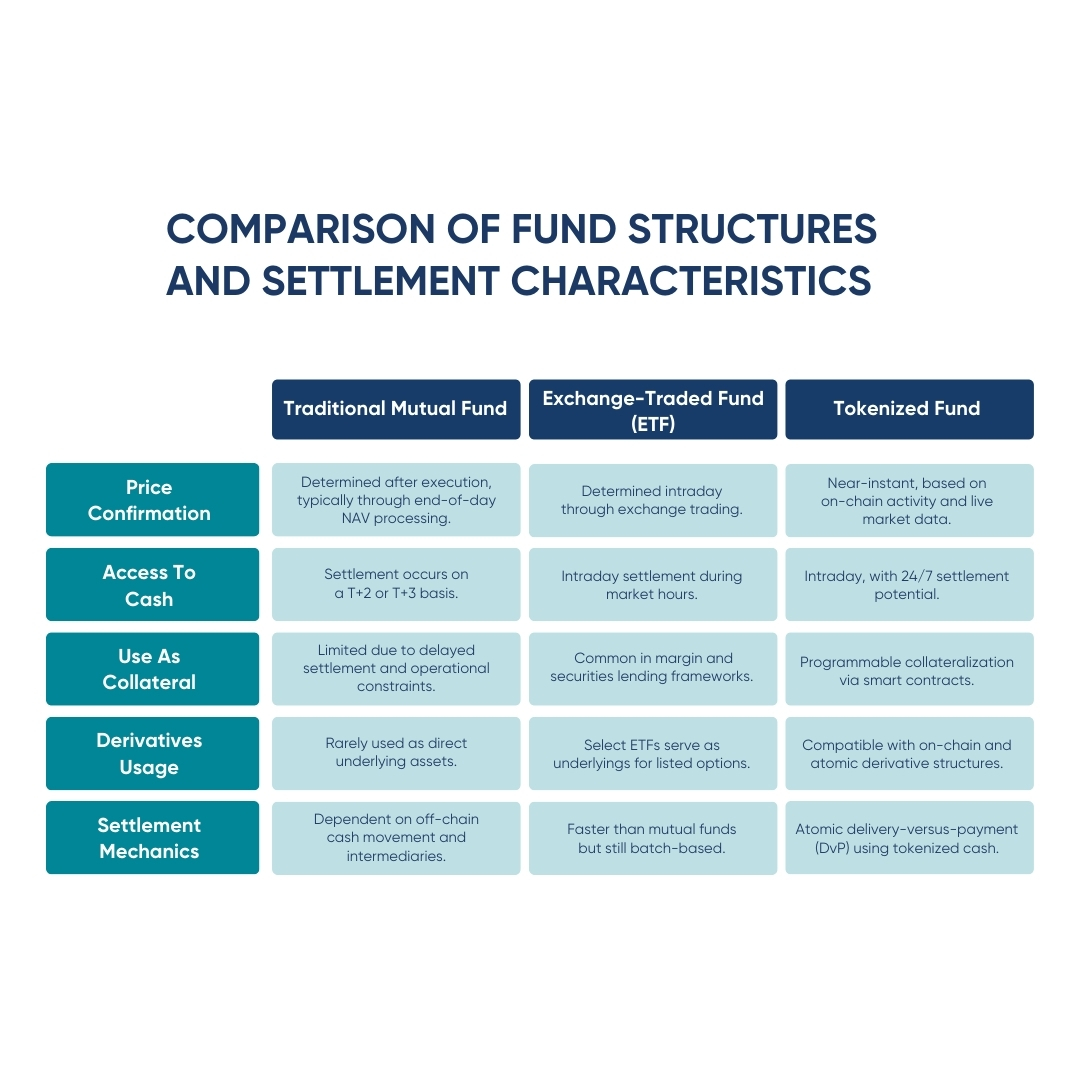
Tokenized markets operate differently. Atomic delivery-versus-payment executes asset transfer and cash movement simultaneously on-chain. This design removes principal risk and reduces reliance on intermediaries. In theory, counterparty exposure falls close to zero.
In practice, atomicity introduces digital asset settlement exposure to new failure points. If either leg lacks funding, authorization, or system availability at execution time, settlement fails outright. There is no grace period. No overnight margin call. The transaction simply does not occur.
Liquidity Gaps Replace Credit Gaps
One of the most visible consequences of atomic settlement is intraday liquidity pressure. Under netted systems, firms can reuse liquidity across multiple obligations. In tokenized systems, gross settlement requires pre-funded positions.
The Bank for International Settlements has noted that real-time settlement can increase peak liquidity demand by 30 to 60 percent compared to netted models. For institutions scaling digital asset investments, this creates new stress scenarios. Liquidity shortages now emerge as settlement failures rather than delayed payments.
Stablecoins and tokenized cash instruments are often proposed as solutions. Yet even here, concentration risk and access constraints remain. A single outage at a settlement token issuer or permissioned network can halt flows across multiple markets simultaneously.
Infrastructure Uptime Becomes a Risk Variable
Settlement risk in tokenized markets is inseparable from infrastructure reliability. Blockchain uptime, validator performance, oracle feeds, and smart contract execution all affect finality.
In 2024 alone, major public and permissioned networks experienced multiple multi-hour disruptions. While none triggered systemic failure, they highlighted a structural reality. Settlement risk now includes dependency on software upgrades, governance decisions, and network coordination.
This is why institutions are increasingly engaging blockchain and digital asset consulting teams to stress-test settlement architecture, not just asset exposure. Infrastructure failure is no longer an IT issue. It is a market risk event.
Operational Precision Replaces Operational Flexibility
Legacy settlement systems allow for exceptions, reversals, and manual intervention. Tokenized settlement systems do not. Smart contracts execute exactly as coded.
This rigidity increases the cost of operational error. Incorrect wallet permissions, misconfigured settlement logic, or expired signing authority can freeze capital instantly. In 2025, several institutional pilots reported settlement delays caused not by market conditions, but by internal key management failures.
As a result, firms are investing heavily in security in digital asset management, multi-party controls, and recovery playbooks. Settlement risk is increasingly operational rather than financial in origin.
New Risk Models for a New Settlement Layer
The reemergence of settlement risk is forcing institutions to rethink how risk is modeled. Value-at-risk metrics built around price volatility miss the point in atomic systems. The more relevant questions are binary. Does the settlement occur or fail.
This is driving demand for digital asset management consulting services focused on scenario analysis, including network downtime, liquidity shortfalls, and governance-triggered pauses. Stress testing now includes questions such as whether critical transactions can be completed during peak congestion or regulatory intervention.
For asset managers exploring blockchain-based investment opportunities, settlement resilience is becoming as important as return expectations.
Implications for Funds and Structured Products
Tokenized funds and on-chain ETFs introduce additional layers of settlement dependency. Creation and redemption mechanisms rely on the continuous availability of both asset and cash tokens.
Fund administrators are discovering that settlement risk can cascade. A single failed redemption can delay NAV calculations, margin processes, and downstream reporting. This has implications for crypto fund administrator roles and broader fund management services.
Institutions managing digital asset portfolio management strategies are increasingly separating execution risk from investment risk, treating settlement reliability as its own control domain.
DeFi Is Not Immune
Decentralized finance platforms often promote instant settlement as a feature. However, they face similar constraints. Congestion, oracle delays, and smart contract pauses can all prevent timely execution.
For institutions navigating DeFi finance assets with consultants, the lesson is clear. Settlement risk does not disappear in decentralized environments. It simply manifests differently. This is why DeFi finance consulting services increasingly focus on execution pathways, fallback routes, and contingency liquidity.
The Strategic Shift Institutions Are Making
The return of settlement risk does not signal a failure of tokenization. It signals maturation. Markets are moving past theoretical efficiency toward operational reality, a trend closely followed in Blockchain and digital asset consulting.
Institutions are no longer asking whether atomic settlement works. They are asking under what conditions it fails. This shift is driving engagement with strategic digital asset consulting partners who understand both market structure and system design, including specialists in digital asset consulting for compliance.
For a global digital asset consulting firm, the priority is helping institutions align liquidity, infrastructure, and governance into coherent settlement frameworks, often supported by DeFi finance consulting services and guidance from security tokens investment consultants.
Turning Settlement Risk into Operational Strength
Settlement risk in tokenized markets is not a regression. It is a transformation. Institutions that recognize this early can build more resilient participation models and evaluate structured Cryptocurrency investment solutions as part of diversified digital strategies.
Kenson Investments supports institutions seeking clarity on tokenized settlement dynamics, infrastructure dependencies, and evolving risk frameworks. Explore how informed design and disciplined governance support durable participation in digital markets.
Disclaimer: The information provided on this page is for educational and informational purposes only and should not be construed as financial advice. Crypto currency assets involve inherent risks, and past performance is not indicative of future results. Always conduct thorough research and consult with a qualified financial advisor before making investment decisions.
“The crypto currency and digital asset space is an emerging asset class that has not yet been regulated by the SEC and the US Federal Government. None of the information provided by Kenson LLC should be considered as financial investment advice. Please consult your Registered Financial Advisor for guidance. Kenson LLC does not offer any products regulated by the SEC, including equities, registered securities, ETFs, stocks, bonds, or equivalents.