








In conversations about risk in digital asset investments, attention often gravitates toward dramatic external threats, market manipulation, cyberattacks, or sudden regulatory shifts. These risks are real, visible, and frequently discussed. Yet history across financial markets repeatedly shows that the most damaging losses often originate much closer to home.
Internal lapses, misconfigured systems, unclear approvals, weak oversight, or governance gaps tend to create more persistent and compounding risks than external shocks. While outside threats may arrive unexpectedly, internal control failures quietly accumulate until they surface during periods of stress, when recovery options are limited. For organizations navigating the digital asset market, understanding and strengthening internal controls is not optional; it is foundational to long-term capital protection.
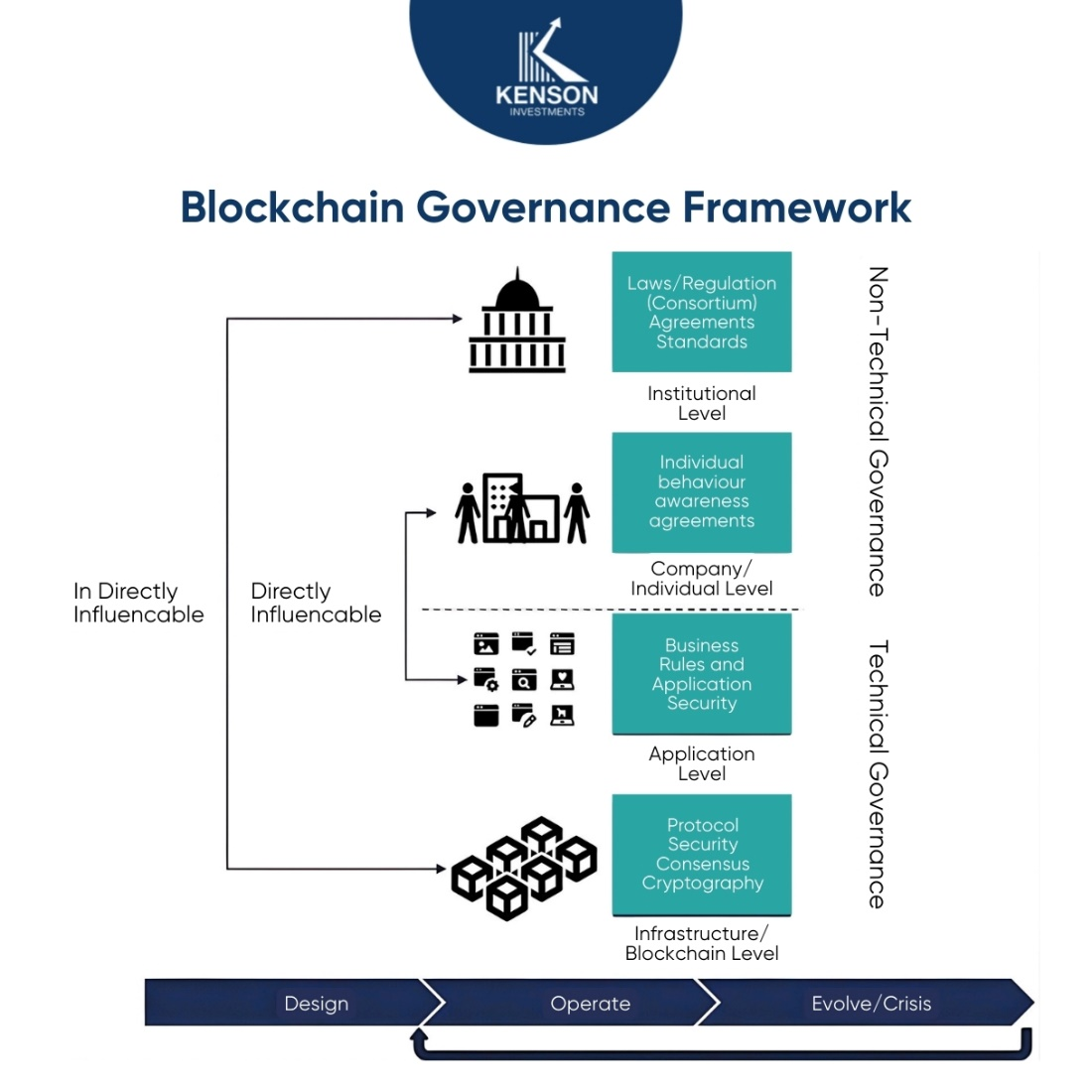
The Hidden Nature of Governance Risk
Governance risk in digital asset environments rarely announces itself. Unlike price volatility or network congestion, internal control weaknesses operate in the background. These include unclear ownership of wallets, inconsistent access permissions, undocumented processes, or reliance on informal decision-making.
Over time, these gaps become normalized. Teams adapt around them, workarounds emerge, and operational shortcuts are justified in the name of efficiency. However, when market conditions shift or transaction volumes increase, these same weaknesses can magnify losses. What appeared manageable at a small scale becomes destabilizing under pressure.
This is why digital asset internal controls deserve as much attention as external security measures. Controls are not just compliance artifacts; they are risk boundaries that define how losses are contained, identified, and addressed.
Internal Errors Scale Faster Than External Attacks
External threats typically face friction. Attackers encounter security layers, monitoring systems, and alert mechanisms. Internal errors, by contrast, often bypass these defenses entirely. A misconfigured automation rule, an incorrect approval threshold, or an outdated recovery procedure can propagate instantly across systems.
In digital asset management, where transactions are irreversible and settlement finality is rapid, internal mistakes can have immediate financial consequences. Once executed, there is rarely an option to pause, reverse, or renegotiate outcomes.
This asymmetry explains why internal lapses frequently produce more lasting damage than external attacks. While breaches may be detected and isolated, internally authorized actions, even if flawed, are often treated as valid until losses are realized.
Control Frameworks as Risk Dampeners
Effective digital asset internal controls function as shock absorbers. They do not prevent volatility or eliminate uncertainty, but they reduce how forcefully problems impact capital. Well-defined control frameworks establish clear boundaries around authority, escalation, and verification.
Examples include multi-layer approvals for high-impact actions, separation between execution and oversight roles, and real-time reconciliation across systems. These mechanisms introduce intentional friction, slowing processes just enough to allow errors to be identified before becoming irreversible.
In fast-moving environments, this balance is critical. Innovative investment solutions often emphasize speed and efficiency, but without adequate controls, speed alone increases exposure. Control frameworks ensure that innovation does not outpace risk awareness.

Why External Threats Often Get Overemphasized
External threats are easier to conceptualize. They have narratives, hackers, bad actors, and sudden crashes that fit neatly into risk discussions. Internal control failures, on the other hand, are uncomfortable. They require acknowledging organizational blind spots, operational fatigue, and human error.
As a result, firms may overinvest in perimeter defenses while underinvesting in governance design. Firewalls and monitoring tools receive budget priority, while documentation, training, and process audits are deferred.
However, navigating the digital asset market successfully depends on both. External defenses protect the perimeter, but internal controls determine how effectively an organization responds when stress arrives from any direction.
Misconfigurations: Small Errors, Large Consequences
One of the most common internal risks in digital asset investments is misconfiguration. These are rarely dramatic mistakes. More often, they involve default settings left unchanged, parameters copied from outdated models, or assumptions carried over from pilot environments into scaled operations.
Misconfigurations are particularly dangerous because they create a false sense of security. Systems appear to function normally until an edge case is triggered. When that happens, losses may cascade across multiple processes simultaneously.
Strong internal controls address this risk through continuous review, version tracking, and independent validation. They recognize that digital systems evolve and that yesterday’s configuration may not be suitable for today’s exposure.
The Role of Accountability in Digital Asset Management
Internal controls are ultimately about accountability. They clarify who is responsible for decisions, who verifies execution, and who intervenes when outcomes deviate from expectations. Without this clarity, responses to incidents become fragmented and delayed.
In digital asset management, accountability gaps often emerge during growth phases. Teams expand, responsibilities blur, and informal practices persist longer than intended. Over time, this erodes governance resilience.
By contrast, organizations that prioritize accountability frameworks tend to detect issues earlier and recover more effectively. This is not about blame; it is about visibility. Clear ownership enables faster, more coordinated responses when conditions change.

Long-Term Risk Is Structural, Not Event-Driven
External threats tend to be episodic. They arrive, cause disruption, and eventually subside. Internal control weaknesses, however, are structural. They persist across cycles and compound over time if left unaddressed.
This distinction matters for digital asset investments. Long-term outcomes are shaped less by isolated market events and more by how consistently systems perform under varying conditions. Internal controls define that consistency.
Innovative investment solutions that ignore governance risk may perform well in favorable environments but struggle when volatility returns. Conversely, disciplined control structures may appear conservative during calm periods yet prove decisive when uncertainty rises.
Strengthening Controls as a Strategic Choice
Investing in digital asset internal controls is not merely a defensive measure; it is a strategic choice. Strong governance enables organizations to scale with confidence, adapt to new market conditions, and engage with emerging technologies without amplifying risk unnecessarily.
As the digital asset ecosystem matures, differentiation will increasingly come from operational discipline rather than novelty alone. Those who understand this shift are better positioned to navigate complexity sustainably.

Final Thoughts
External threats will always exist in digital markets, but their impact is often temporary. Internal lapses, by contrast, shape long-term outcomes. By prioritizing governance risk, reinforcing digital asset internal controls, and embedding accountability into operations, organizations can better protect capital across cycles.
Understanding these dynamics is an essential part of navigating the digital asset market responsibly.
The Kenson Approach: Governance Before Exposure
At Kenson Investments, we approach digital asset risk from the inside out. Strong internal controls are treated as a prerequisite to participation, not a response to external threats.
Our focus is on governance clarity, defined authority, and system oversight before exposure scales. In digital asset management, well-designed internal controls limit the impact of volatility, reduce operational error, and create consistency across market cycles.
By prioritizing accountability and control frameworks, Kenson emphasizes resilience over reaction, helping participants navigate the digital asset market with greater structural confidence. Our blockchain and digital asset consulting and blockchain asset consulting services are led by a dedicated cryptocurrency investment consultant team, offering digital asset investment solutions that include guidance on stablecoins for investment.
Kenson Investments provides educational resources and general market insights focused on digital asset management, governance awareness, and operational risk considerations. Explore how structured internal controls support more resilient approaches to digital asset investments. As a trusted digital asset strategy consulting firm, our blockchain asset investments consultant professionals bring specialized expertise in Solana DeFi risk management to every engagement.
controls support more resilient approaches to digital asset investments.
Disclaimer: The information provided on this page is for educational and informational purposes only and should not be construed as financial advice. Cryptocurrency assets involve inherent risks, and past performance is not indicative of future results. Always conduct thorough research and consult with a qualified financial advisor before making investment decisions.
“The cryptocurrency and digital asset space is an emerging asset class that has not yet been regulated by the SEC and the US Federal Government. None of the information provided by Kenson LLC should be considered as financial investment advice. Please consult your Registered Financial Advisor for guidance. Kenson LLC does not offer any products regulated by the SEC, including equities, registered securities, ETFs, stocks, bonds, or equivalents.”