








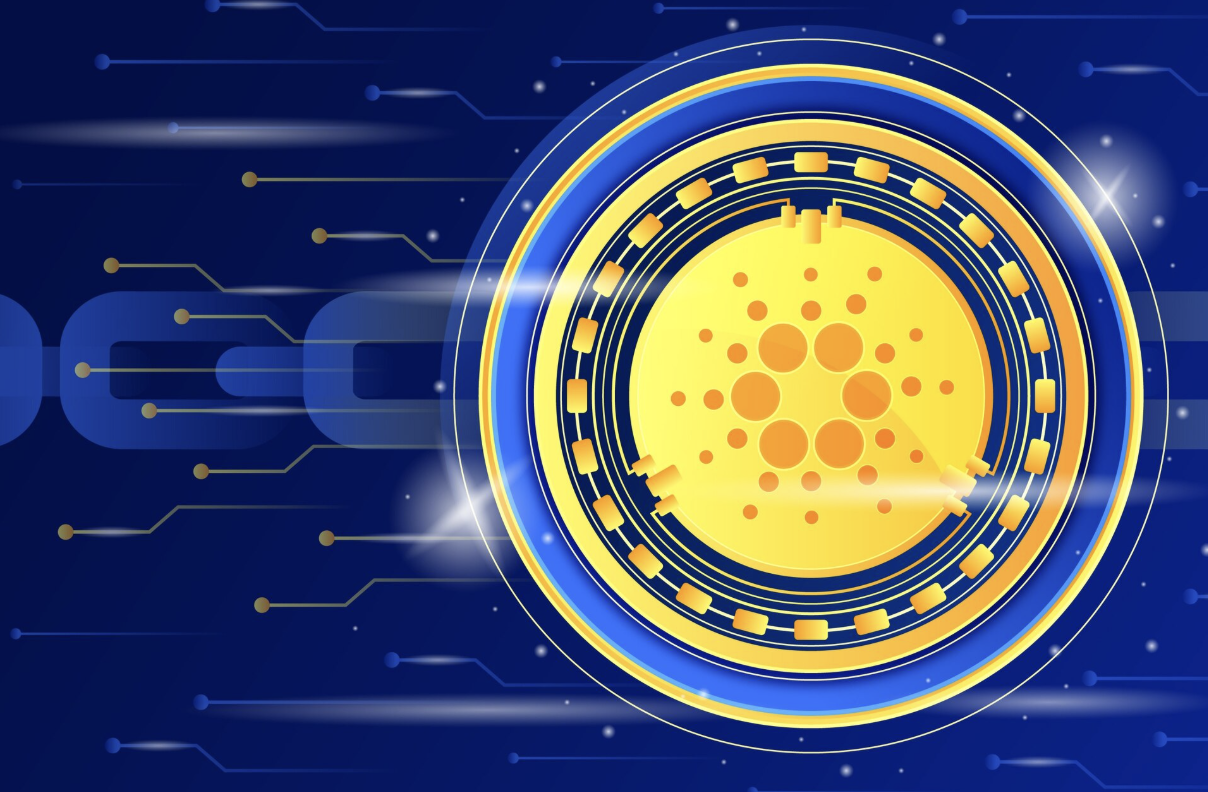
A new partnership announced at Consensus Hong Kong places institutional-grade interoperability at the center of Cardano’s next growth phase. Input Output confirmed that LayerZero, a protocol focused on cross-chain messaging and infrastructure, will integrate with the Cardano blockchain. The announcement also coincided with the rollout of Midnight’s mainnet and plans to introduce USDCx support.
While market sentiment remains subdued, the significance of this development lies less in short-term reaction and more in long-term infrastructure positioning. Interoperability protocols such as LayerZero are designed to connect separate blockchain networks, enabling assets and data to move across ecosystems more efficiently. For institutions evaluating blockchain participation, these connective layers are increasingly important.
Why Interoperability Signals Institutional Direction
LayerZero has positioned itself as a provider of infrastructure intended to support institutional-grade markets. Its integration with Cardano reflects a broader trend across the industry: blockchains are no longer competing solely on throughput or token performance, but on ecosystem connectivity and integration capabilities.
Institutional participation requires more than transactional capacity. It demands reliable messaging systems, predictable settlement mechanisms, and cross-chain asset mobility. By incorporating interoperability tools directly into its ecosystem, Cardano is aligning itself with the operational expectations of more structured market participants.
The announcement is further reinforced by reported institutional investment interest surrounding LayerZero. That combination of capital support and ecosystem integration highlights how blockchain infrastructure is evolving toward enterprise-level architecture rather than isolated network development.
Stablecoins and Settlement Efficiency
Another component of the announcement involves plans to support USDCx on Cardano. Stablecoins have increasingly become the functional settlement layer of digital asset markets. They facilitate trading, treasury management, and liquidity provision across centralized and decentralized venues.
Bringing stablecoin functionality into interoperable frameworks has broader implications. Cross-chain stablecoin mobility can reduce fragmentation in liquidity pools and allow capital to move more seamlessly across platforms. For institutions, this supports operational flexibility and potentially reduces counterparty exposure tied to ecosystem silos.
Rather than representing a single-network milestone, the expansion of stablecoins within interconnected systems illustrates how blockchain networks are building toward a more unified market structure.
Market Sentiment Versus Structural Progress
During periods of softer market sentiment, infrastructure announcements often receive less attention than price movements. However, historically, phases of consolidation have coincided with deeper technical development across blockchain ecosystems.
The rollout of new mainnets, interoperability layers, and stablecoin integrations suggests that development momentum continues regardless of short-term volatility. For observers of market structure, this indicates that the digital asset sector is progressing beyond early experimentation into more coordinated system-building.
Statements made alongside the announcement acknowledged current market challenges while expressing long-term confidence. This contrast between cyclical downturns and ongoing technical expansion reflects a recurring theme in digital asset history: infrastructure investment frequently precedes broader adoption cycles.
Implications for the Digital Asset Ecosystem
This development ties into several broader themes shaping the digital asset ecosystem in 2026.
First, interoperability is becoming foundational rather than optional. As more assets are tokenized and multiple blockchain networks coexist, seamless communication between chains is essential for liquidity efficiency and portfolio management.
Second, stablecoins continue to serve as connective tissue between trading venues, payment systems, and decentralized applications. Their expansion into additional networks broadens accessibility and operational utility.
Third, institutional engagement increasingly centers on infrastructure reliability. Custody standards, cross-chain messaging, risk controls, and compliance alignment are becoming defining factors in evaluating blockchain ecosystems.
Taken together, these shifts suggest that competitive differentiation among networks will depend less on isolated performance metrics and more on how effectively each ecosystem integrates into the broader financial architecture.
Staying Informed on Infrastructure Developments
At Kenson Investments, a reputable digital asset consulting firm, we view developments like this through a structural lens rather than a short-term market one. Announcements around interoperability, stablecoin expansion, and institutional-focused integrations often indicate where ecosystem priorities are shifting, even when broader sentiment remains cautious.
As blockchain networks compete to attract institutional participation, infrastructure quality, cross-chain connectivity, and settlement reliability become central evaluation factors. Recognizing these signals can help participants better interpret how technical upgrades and strategic partnerships may influence liquidity flows, compliance expectations, and long-term ecosystem positioning.
We encourage readers to explore our educational resources to better understand how infrastructure advancements and evolving blockchain integrations may shape digital asset markets in the years ahead. For more insights, connect with our team.
Disclaimer: The information provided on this page is for educational and informational purposes only and should not be construed as financial advice. Cryptocurrency assets involve inherent risks, and past performance is not indicative of future results. Always conduct thorough research and consult with a qualified financial advisor before making investment decisions.
“The cryptocurrency and digital asset space is an emerging asset class that has not yet been regulated by the SEC and the US Federal Government. None of the information provided by Kenson LLC should be considered as financial investment advice. Please consult your Registered Financial Advisor for guidance. Kenson LLC does not offer any products regulated by the SEC, including equities, registered securities, ETFs, stocks, bonds, or equivalents.



