










Digital asset markets produce more data than most traditional markets, but more data does not automatically create better visibility. Prices update continuously, blockchains publish transaction records in real time, exchanges stream order books, and custodians report balances across multiple systems. Yet institutional participants often face a basic problem: the data does not line up.
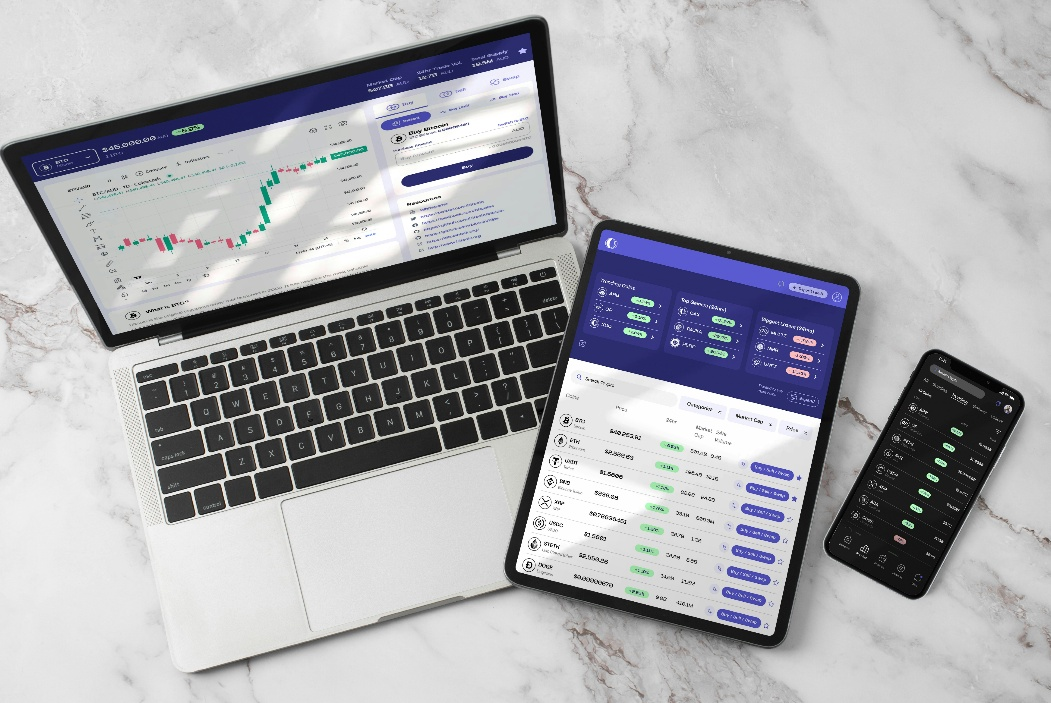
This is the core challenge of digital asset data fragmentation. Market reality is distributed across exchanges, wallets, custodians, on-chain analytics providers, pricing vendors, liquidity venues, and internal reporting systems. Each source may be accurate within its own environment, but institutional decisions require a consolidated view. When that view is incomplete, inconsistent, or delayed, risk can be misread.
For high-net-worth investors and allocators, institutional market visibility is not just a reporting function. It is part of capital protection. If the firm cannot clearly see exposure, liquidity, valuation, and settlement status, it cannot reliably manage risk.
Why Digital Asset Data Is So Fragmented
The digital asset ecosystem did not develop around a single market data standard. It grew through exchanges, protocols, custody models, token networks, and decentralized applications that each report activity differently. One venue may define trading volume by executed spot trades, another may include derivatives-linked activity, while a DeFi protocol may report liquidity through total value locked instead of executable depth.
This creates inconsistencies across even basic metrics. Price, volume, circulating supply, wallet balances, funding rates, and liquidity depth may vary depending on the source used.
Recent policy discussion reflects this problem. A 2025 U.S. digital asset policy report recommended that trading venues for non-security digital assets should be required to report market data, and that regulators should coordinate on what data should be reported and in what format. The same report also warned against “blind spots” in off-chain institutional block trading activity.
That matters because fragmented data can produce false confidence. A portfolio may appear fully reconciled in one dashboard while custody balances, pending transfers, and open venue exposure tell a different story.
The Cost of Inconsistent Market Views
In fast markets, inconsistent data creates execution and risk-management problems. An institution may see one price from a market data provider, another from an execution venue, and a third from an internal valuation model. Under calm conditions, those differences may be small. During volatility, they can become material.
This is especially important for digital asset portfolio management, where decision-making depends on accurate exposure aggregation. If prices, balances, and liquidity conditions are not synchronized, portfolio managers may underestimate concentration risk or overestimate available liquidity.
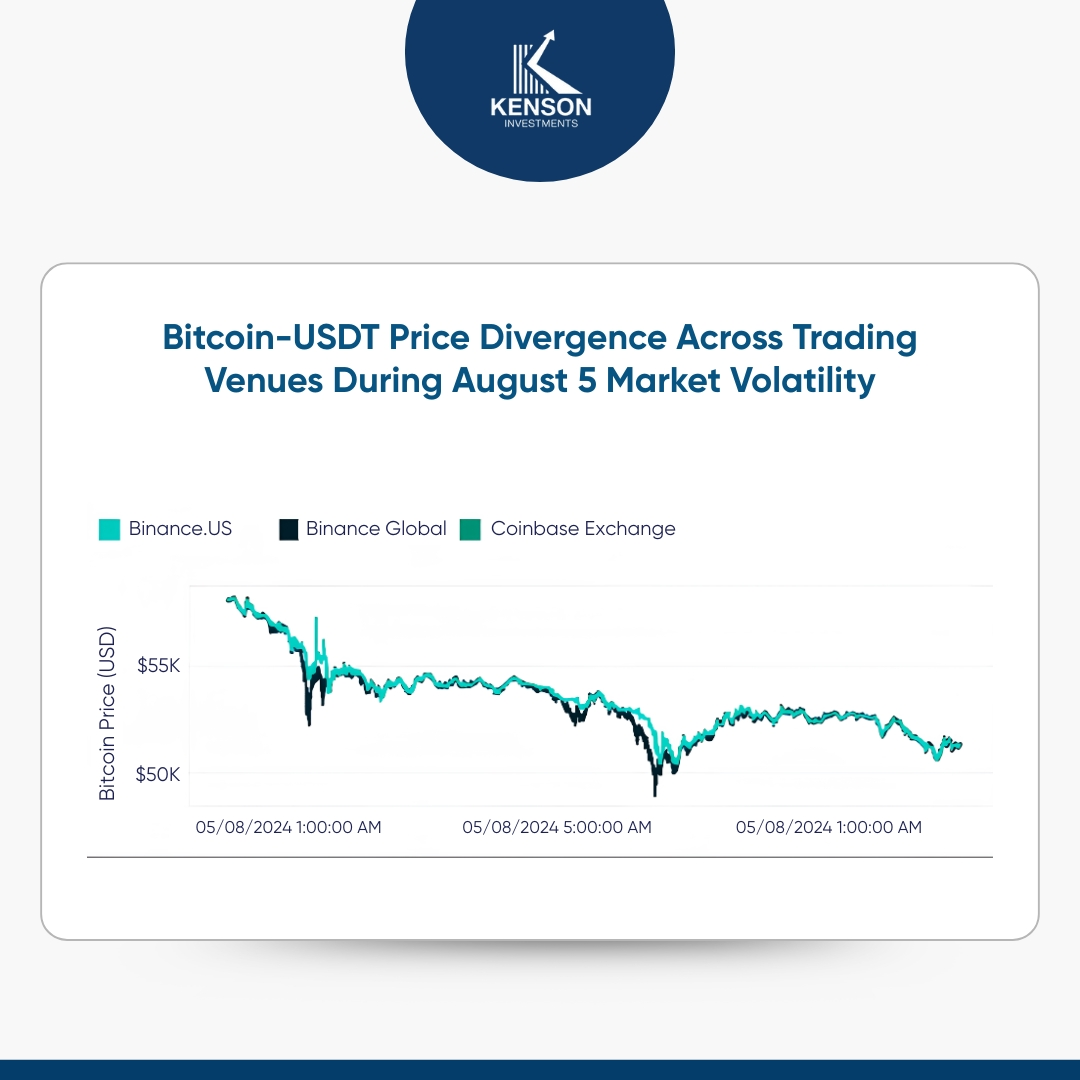
Market-wide fragmentation is also increasing as crypto becomes more connected with traditional finance. Reuters reported that the global crypto market doubled to about $4 trillion over the prior year, while stablecoins grew almost three-quarters to just under $290 billion. The Financial Stability Board warned that implementation of crypto rules remains fragmented and inconsistent across jurisdictions, adding oversight challenges to an already complex market structure.
For institutions engaged in investment analysis and portfolio management, the message is clear. Market size may be growing, but visibility remains uneven.
Reconciling Multiple Sources Into One Decision Layer
Institutional firms do not rely on a single data source. They build reconciliation processes that compare exchange data, custody records, blockchain activity, pricing feeds, risk systems, and internal ledgers.
The purpose is not only to identify errors. It is to create a coherent decision layer.
A disciplined reconciliation framework checks whether executed trades match custody movements, whether internal P&L matches external pricing sources, whether on-chain settlement confirms off-platform records, and whether liquidity data supports the assumed execution strategy.
This is where blockchain and digital asset consulting become operationally important. The work is not only about interpreting digital markets. It is about building systems that reduce blind spots before they become capital risks.
Kenson Investments approaches data reconciliation as part of risk control. Market visibility must be verified, not assumed.
Data Governance Is Becoming an Institutional Requirement
As digital assets mature, regulators and institutions are paying closer attention to data governance. PwC’s 2025 Global Crypto Regulation Report noted that authorities are strengthening data governance frameworks to support the integrity, security, and transparency of digital asset transactions. It also highlighted stricter requirements around data accuracy, storage, accessibility, audit trails, encryption, and global reporting standards.
These requirements are not administrative details. They influence whether an institution can operate safely across venues, jurisdictions, and asset types.
For firms using digital asset management services, strong data governance requires clear ownership of data sources, documented reconciliation processes, independent verification of pricing inputs, and audit-ready reporting.
This is also relevant for digital asset consulting for compliance, where fragmented data can create reporting errors, incomplete transaction records, and inconsistent valuation treatment. Institutions cannot meet internal or external reporting expectations if the underlying data lacks structure.
On-Chain Data Is Useful, But Not Complete
Blockchain transparency is valuable, but it does not solve the visibility problem by itself. On-chain data shows wallet movements and transaction activity, but it does not always identify beneficial ownership, off-chain trading, exchange internalization, derivatives exposure, or custody-level restrictions.
This creates a gap between observable blockchain activity and real market exposure.
For example, a token transfer may appear settled on-chain, but the economic exposure may still be tied to a custodian, exchange, or lending arrangement. Similarly, stablecoin flows can indicate liquidity movement, but they may not reveal redemption risk or banking exposure.
The Bank for International Settlements has also emphasized how fragmentation can emerge from blockchain structures themselves. In a 2026 paper, BIS described public permissionless blockchain fragmentation as weakening network effects and noted that stablecoins inherit fragmentation from the blockchains on which they operate.
This matters for institutional market visibility because on-chain transparency must be combined with venue-level and operational data. No single layer provides the full picture.
Liquidity Data Requires Extra Scrutiny
Liquidity is one of the most commonly misunderstood data categories in digital assets. Reported volume may look deep, but executable liquidity can be far thinner. Wash trading concerns, derivatives-heavy activity, market-maker concentration, and fragmented order books can distort headline figures.
For institutions involved in crypto asset management, liquidity data must be assessed through depth, spread, venue concentration, order book resilience, and execution quality. A market showing billions in daily volume may still be difficult to trade at institutional size without slippage.
This distinction is essential when comparing altcoins vs. major cryptocurrencies. Major assets often have broader venue support and deeper order books, while smaller assets may show activity that disappears under stress.
Kenson Investments evaluates liquidity as a verified input rather than a headline figure. For allocators focused on long-term investment in digital assets, liquidity visibility is central to portfolio durability.
Building a Coherent Market View
A coherent market view requires more than dashboards. It requires process discipline.
Institutions need defined pricing hierarchies, approved data vendors, reconciliation rules, exception reporting, custody integration, and audit trails. The goal is to reduce interpretive ambiguity. When data conflicts, the institution must know which source governs which decision.
This is where best practices in digital asset consulting emphasize repeatability. A process that works only when markets are calm is insufficient. Data systems must remain functional during volatility, network congestion, exchange disruptions, and liquidity stress.
For investors navigating the digital asset market, the value of data comes from reliability, not volume. A smaller set of verified, reconciled inputs is more useful than a large collection of inconsistent feeds.
The Kenson Perspective
Kenson Investments views data integrity as a core component of disciplined digital asset participation. Market visibility shapes valuation, liquidity analysis, execution planning, and risk control. Without reliable data, even strong market views can lead to weak decisions.
This is why secure digital asset consulting solutions must prioritize data architecture alongside market research. Institutions need to understand what they hold, where it is held, how it is priced, and how quickly exposure can be adjusted.
Data fragmentation will not disappear as the market grows. In some areas, it may increase. The firms best positioned to manage this environment will be those that reconcile complexity into clear, decision-ready information.
Build Market Visibility Before Capital Is Tested
Fragmented data can make risk look smaller, liquidity look deeper, and exposure look cleaner than it really is. Institutions that prioritize reconciliation, governance, and audit-ready reporting are better positioned to interpret market conditions with discipline. Utilizing targeted DeFi Finance consulting services and Digital asset consulting for compliance ensures that data structures remain aligned with shifting regulatory frameworks. Kenson Investments helps participants understand how data quality, market structure, and operational visibility shape digital asset decisions. To explore how stronger market visibility can support disciplined participation, get in touch with Kenson Investments’ digital asset specialists. Our Security tokens investment consultants can help evaluate asset parameters, while strategies designed to enhance ROI with digital asset consulting provide a structured blueprint for institutional growth.
Disclaimer: The information provided on this page is for educational and informational purposes only and should not be construed as financial advice. Crypto currency assets involve inherent risks, and past performance is not indicative of future results. Always conduct thorough research and consult with a qualified financial advisor before making investment decisions.
“The crypto currency and digital asset space is an emerging asset class that has not yet been regulated by the SEC and US Federal Government. None of the information provided by Kenson LLC should be considered as financial investment advice. Please consult your Registered Financial Advisor for guidance. Kenson LLC does not offer any products regulated by the SEC including, equities, registered securities, ETFs, stocks, bonds, or equivalents”



