









Digital asset markets often attract attention through price movements. Headlines focus on volatility, rapid shifts, and short-term narratives. Yet beneath this surface activity lies a deeper reality. The long-term direction of these markets is shaped less by speculation and more by infrastructure. Kenson Investments approaches this space by prioritizing structural understanding. Rather than focusing solely on price cycles, the emphasis is placed on systems that support reliability, access, and continuity. This includes custody frameworks, settlement mechanisms, validator participation, and liquidity design. This perspective aligns with broader trends in investing in cryptocurrencies, where market participants increasingly evaluate durability instead of short-term momentum.
Why Infrastructure Matters More Than Market Noise
Speculation tends to dominate early-stage markets. Digital assets are no exception. However, as adoption grows, structural components begin to define performance boundaries. Reliable infrastructure determines whether markets can scale. It influences how assets are stored, transferred, and valued over time. Without strong foundations, volatility becomes amplified and systemic risks increase. This is why digital asset investments are increasingly evaluated through the lens of infrastructure readiness rather than isolated price movements. Market participants are beginning to recognize that sustainability depends on how systems function, not just how assets perform.
Custody Systems and Asset Security
Custody is one of the most critical elements of digital asset infrastructure. Unlike traditional financial systems, digital assets rely on cryptographic ownership rather than centralized control. Secure custody solutions reduce operational risks such as unauthorized access or key mismanagement. Institutional-grade custody frameworks now incorporate multi-signature authorization, hardware isolation, and layered verification processes. The evolution of custody directly influences security in digital asset management. As custody systems mature, they contribute to broader confidence in market participation and operational integrity. This also shapes how digital asset portfolio management is approached, as storage security becomes inseparable from asset allocation considerations.
Settlement Reliability and Transaction Finality
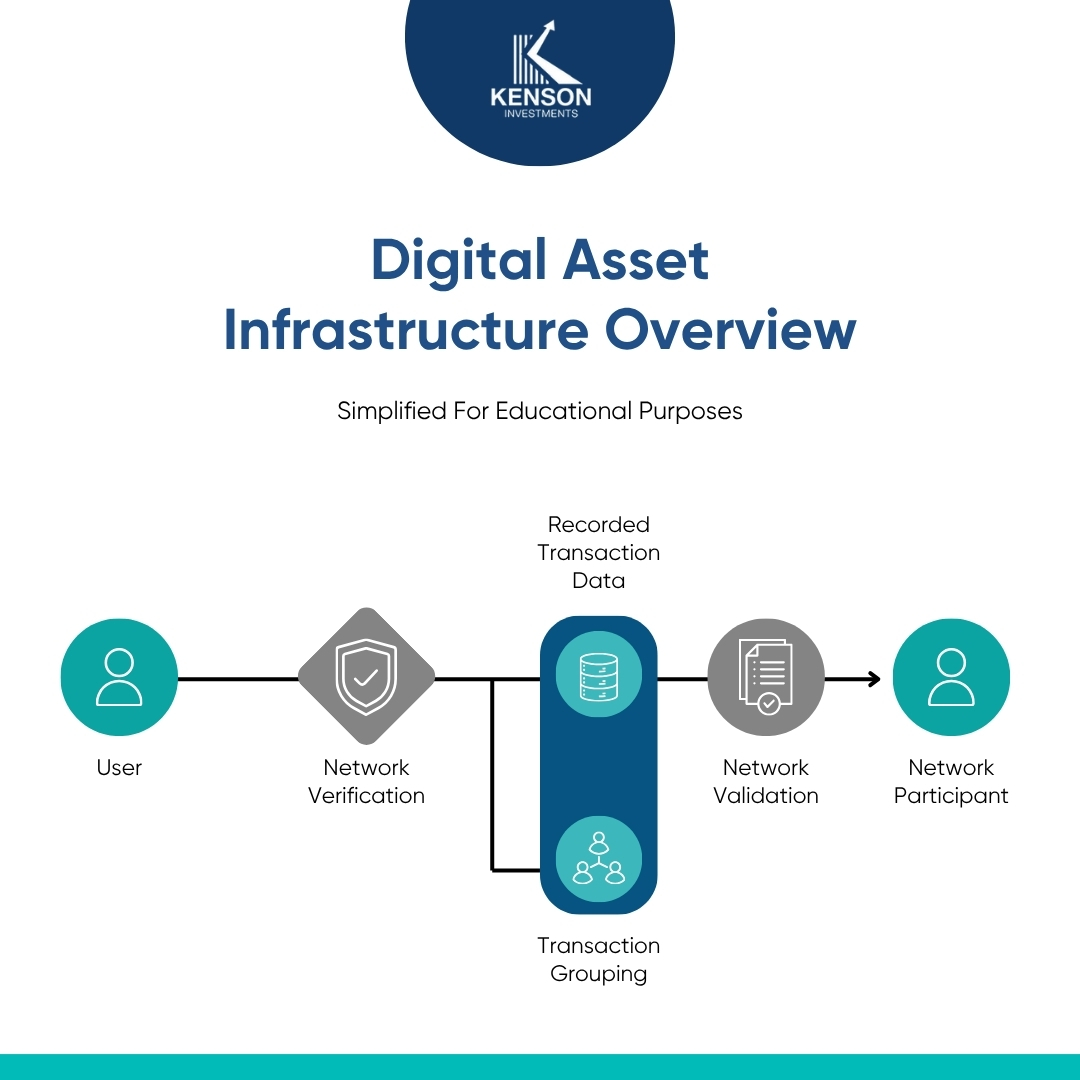
Settlement is the process through which asset transfers are completed and recorded. In digital asset markets, settlement occurs on blockchain networks, where transactions are validated and confirmed. Reliability in settlement ensures that transactions are irreversible once confirmed. This reduces counterparty risk and improves transparency. However, settlement efficiency depends on network design, congestion levels, and validation mechanisms. Understanding settlement dynamics is essential when navigating the digital asset market. Delays, fees, and confirmation times all influence how participants interact with assets.
Validator Networks and Consensus Integrity
Validator networks form the backbone of blockchain systems. These participants verify transactions, maintain network integrity, and ensure consensus across distributed ledgers. Different blockchain networks use varying consensus mechanisms, including proof-of-stake and proof-of-work. Each approach introduces unique trade-offs between speed, decentralization, and security. The structure of validator participation directly affects risk management in crypto investments. Networks with strong validator distribution tend to demonstrate greater resilience against disruptions or manipulation. This is particularly relevant when assessing blockchain-based investment opportunities, where underlying network health plays a critical role in long-term viability.
Liquidity Architecture and Market Depth
Liquidity determines how easily assets can be bought or sold without significantly affecting price. In digital asset markets, liquidity is fragmented across exchanges, platforms, and decentralized systems. Strong liquidity architecture supports efficient price discovery and reduces slippage. It also enhances market stability during periods of increased activity. Market participants evaluating cryptocurrency investment strategies increasingly consider liquidity conditions as part of their broader analysis. Thin liquidity environments can amplify volatility, while deeper liquidity pools tend to support smoother market functioning.

Structural Analysis and Long-Term Market Development
Infrastructure provides insight into how markets evolve. By analyzing custody systems, settlement reliability, validator networks, and liquidity frameworks, patterns begin to emerge. This form of analysis moves beyond short-term speculation. It aligns with approaches used in investment analysis and portfolio management, where structural indicators help inform long-term perspectives. For example, networks with consistent validator participation and stable transaction throughput may demonstrate greater adaptability over time. Similarly, platforms with improving liquidity metrics may indicate growing adoption. This perspective supports a more measured approach to long-term investment in digital assets, where structural strength is considered alongside market performance.
Comparing Digital Assets Through Infrastructure
Understanding differences between digital assets requires more than comparing prices. Structural attributes provide a clearer picture of how assets function. Discussions around altcoins vs major cryptocurrencies often focus on market capitalization. However, infrastructure considerations such as network security, validator distribution, and liquidity availability offer deeper insight. Major cryptocurrencies typically benefit from more established infrastructure, while alternative assets may operate within developing ecosystems. These differences influence risk profiles and adoption potential.

The Role of Blockchain in Market Infrastructure
Blockchain technology underpins all digital asset systems. It enables decentralized recordkeeping, transparent transactions, and programmable asset behavior. However, its role should be understood in context. Blockchain does not eliminate risk or guarantee efficiency. Instead, it provides a framework for building systems that can be optimized over time. This is why blockchain and digital asset consulting has become a growing area of focus. Market participants seek to understand how blockchain infrastructure supports operational models rather than viewing it as a standalone solution.
Institutional Shifts Toward Infrastructure Analysis
As digital asset markets mature, institutional participants are increasingly focusing on infrastructure. This shift mirrors trends observed in traditional financial systems, where underlying mechanisms often determine scalability. The rise of digital asset management consulting reflects this transition. Organizations are exploring how infrastructure impacts operational efficiency, cost structures, and long-term positioning. Similarly, digital asset consulting services for businesses are evolving to address structural considerations rather than speculative narratives.

Infrastructure and Risk Considerations
Infrastructure does not eliminate risk, but it helps define it. Weak systems can introduce vulnerabilities, while robust frameworks can mitigate operational uncertainties. Understanding infrastructure contributes to more informed decision-making. It highlights where risks may arise and how they can be managed within broader strategies. This aligns with discussions around cryptocurrency investment solutions, where emphasis is placed on understanding system dynamics rather than pursuing isolated opportunities.
Moving Beyond Speculation
Speculation will likely remain part of digital asset markets. However, its influence diminishes as infrastructure strengthens. Over time, systems become more stable, and market behavior reflects underlying functionality. This transition is already visible in areas such as custody innovation, validator participation, and liquidity expansion. These developments indicate a shift toward more structured market environments. Approaches centered on digital asset consulting best practices increasingly emphasize education, transparency, and structural awareness.
The Importance of Strategic Perspective
A strategic perspective focuses on how systems evolve rather than reacting to short-term changes. It considers how infrastructure supports growth, adapts to challenges, and shapes market behavior. This is where strategic digital asset consulting becomes relevant. By analyzing infrastructure, market participants can better understand long-term development patterns. It also informs how organizations approach digital asset management services, ensuring that operational decisions align with structural realities.
Foundations Shape the Future
Digital asset markets are still developing. While price movements capture attention, infrastructure determines direction. Custody systems, settlement processes, validator networks, and liquidity frameworks collectively shape how these markets function. Kenson Investments emphasizes this foundation-first perspective. By focusing on structural analysis, the goal is to provide clarity in an evolving environment. Understanding infrastructure does not remove uncertainty, but it provides a framework for navigating it. As digital asset markets continue to mature, those who prioritize foundations may be better positioned to interpret long-term developments.
Explore More with Kenson Investments
Explore their approach to digital asset investments and learn how structured monitoring supports participation in evolving markets. For deeper insights, review their digital asset consultation resources designed to explain key concepts and operational considerations. To speak with a Digital Asset Specialist, visit the contact page and continue your learning journey.
Disclaimer
Disclaimer: The information provided on this page is for educational and informational purposes only and should not be construed as financial advice. Crypto currency assets involve inherent risks, and past performance is not indicative of future results. Always conduct thorough research and consult with a qualified financial advisor before making investment decisions.
“The crypto currency and digital asset space is an emerging asset class that has not yet been regulated by the SEC and US Federal Government. None of the information provided by Kenson LLC should be considered as financial investment advice. Please consult your Registered Financial Advisor for guidance. Kenson LLC does not offer any products regulated by the SEC including, equities, registered securities, ETFs, stocks, bonds, or equivalents”