








Wallet-based market surveillance is the systematic process of monitoring, analyzing, and tracking public blockchain addresses to identify manipulative trading patterns, illicit capital flows, and compliance anomalies across decentralized protocols.
Unlike traditional financial surveillance, which relies on centralized, identity-linked account numbers, decentralized ecosystems operate on pseudonymous cryptographic keys. Surveillance teams must analyze behavioral signatures directly on-chain, tracking how individual wallets interact with smart contracts, liquidity pools, and cross-chain bridges.
To analyze these complex data structures efficiently, compliance teams utilize the Heuristic Address Clustering Model. This technical framework groups seemingly disconnected wallet addresses into single operational entities based on common transactional traits:
[On-Chain Wallet A] + [On-Chain Wallet B] ➔ (Common Gas Fee Source) ➔ [Clustered Entity X]
By mapping public data through this behavioral lens, security systems can track institutional flows and market anomalies without relying on traditional centralized identifiers. This approach brings a new level of accountability to decentralized market participants, ensuring that systemic risk can be monitored in real time across the entire digital landscape.
The Behavioral Shift: From Accounts to Cryptographic Keys
The transition from account-based systems to wallet-based ecosystems requires a fundamental overhaul of compliance infrastructure. In a traditional brokerage, an investor is bound to a single verified account.
If that individual attempts to manipulate a market by buying and selling the same asset to create artificial volume, centralized exchange software flags the account instantly. In the decentralized world, a single entity can spin up thousands of distinct cryptographic wallets in seconds, distributing capital across a vast network of addresses to mask their market footprints.
Because of this structural difference, modern crypto market surveillance must focus entirely on behavioral patterns rather than identity records. When tracking market integrity across public ledgers, compliance engineers focus on three distinct operational layers:
Behavioral Fingerprinting and Wash Trading
First, systems look for automated, repeated interactions between clustered wallets. For instance, if Wallet A transfers a digital commodity to Wallet B, which then passes it to Wallet C, and ultimately routes it back to Wallet A via a decentralized exchange (DEX), the system flags this as wash trading. Even though the wallets have no visible legal connection, their temporal coordination and transactional frequency expose a unified, manipulative intent.
Cross-Chain Velocity and Bridge Routing
Second, sophisticated actors rarely restrict their movements to a single blockchain. They use cross-chain bridges to convert and move assets rapidly across multiple distinct layer-1 and layer-2 networks. Advanced wallet analytics compliance protocols must track the velocity of these movements. If a massive volume of capital enters a bridge contract on one network and an identical value emerges from the same bridge on an entirely independent network seconds later, surveillance tools reconstruct the path to maintain an uninterrupted chain of custody.
Decentralized Pool Manipulation
Third, liquidity pools on decentralized exchanges are vulnerable to localized price manipulation. Traders can use flash loans, uncollateralized, smart-contract-based loans that must be borrowed and repaid within a single block, to artificially distort the asset ratios inside a specific pool. Surveillance systems must monitor the real-time health of these automated market makers, tracking large, anomalous deposits or withdrawals that threaten pool stability or indicate front-running behavior.

Overcoming the Structural Blind Spots of On-Chain Tracking
While public ledgers provide absolute transaction visibility, the volume and complexity of the data generate immense noise. To separate routine decentralized activity from systemic market risk, compliance networks deploy advanced processing layers.
Multi-Chain Data Ingestion
First, surveillance engines must ingest and normalize data from dozens of disparate blockchains simultaneously. Every network utilizes distinct block times, gas mechanics, and smart contract standards. Effective digital asset management requires standardizing this raw blockchain metadata into a single, cohesive timeline, allowing analytical software to evaluate multi-chain behavior without latency.
Machine Learning Pattern Recognition
Second, relying on manual reviews or rigid, rule-based alerts is ineffective against adaptive trading algorithms. Surveillance architectures leverage machine learning models trained on historical exploit signatures. These algorithms continuously analyze the global mempool, the waiting area where transactions sit before being confirmed on-chain, to detect incoming adversarial patterns, such as sandwich attacks or liquidity draining, before they are permanently written to the ledger.
Cryptographic Compliance Integrations
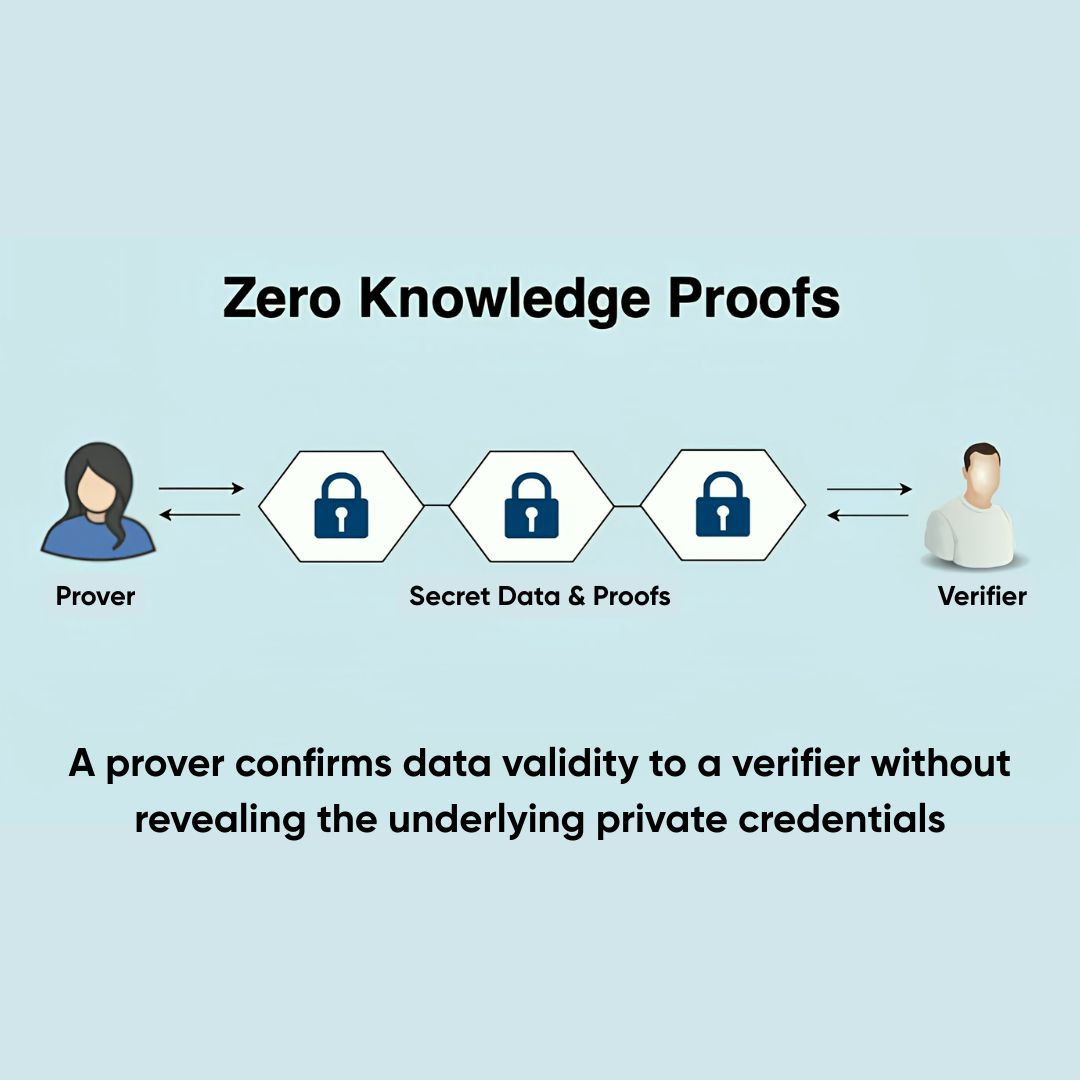
Third, preserving user privacy while maintaining regulatory integrity is a delicate balance. Modern compliance frameworks are increasingly integrating zero-knowledge proofs (ZKPs). This cryptographic approach allows wallet owners to prove they are operating within legal parameter limits and that their funds do not originate from flagged addresses, without forcing them to expose their entire transaction history or total wealth to the public internet.
Navigating the Frontier of Advanced Network Compliance
As decentralized finance scales, the sophistication of market participants will continue to accelerate. The days of simple, single-wallet tracking are over; the modern landscape is defined by automated, multi-chain strategies that blur the lines between routine liquidity provision and deliberate market distortion.
Developing a deep, structural understanding of how wallet-based behavior impacts market stability is an absolute necessity for anyone tracking the future of wealth preservation. By focusing on behavioral heuristics, cross-chain aggregation, and real-time mempool analysis, the digital ecosystem is steadily building a transparent financial foundation. Comprehensive education remains the single most effective tool for evaluating these complex analytical systems before market volatility exposes their structural limitations.
Kenson Approach – Your Educational Partner in the Digital Age
At Kenson Investments, our perspective is that true operational resilience requires a deep, uncompromised understanding of market infrastructure. We believe that innovative investment solution space is only as secure as the surveillance tools that protect its integrity. While many market participants focus entirely on basic token prices, we recognize that the real evolution is happening within the data layer, where wallet analytics compliance and advanced network heuristics intersect to redefine global risk management.
We focus our efforts on providing the comprehensive knowledge base, deep research, and analytical frameworks required to evaluate these complex systems with absolute clarity. Our educational modules are designed to help you look past surface-level market trends and understand the structural dynamics of digital asset management. True financial sovereignty begins with deep, disciplined insight.
Are you ready to build a sophisticated understanding of digital market infrastructure? Explore the Kenson Academy today to access our deep-dive research papers, architectural analyses, and educational modules. Let us help you navigate the future of global value transfer with the analytical clarity and discipline that modern markets demand. Connect with us today! Explore our insights on Stablecoins for investment, benefit from expert consultancy for DeFi finance investments, and read about institutional supply chain digitization.
Disclaimer: The information provided on this page is for educational and informational purposes only and should not be construed as financial advice. Cryptocurrency assets involve inherent risks, and past performance is not indicative of future results. Always conduct thorough research and consult with a qualified financial advisor before making investment decisions.
“The cryptocurrency and digital asset space is an emerging asset class that has not yet been regulated by the SEC and the US Federal Government. None of the information provided by Kenson LLC should be considered as financial investment advice. Please consult your Registered Financial Advisor for guidance. Kenson LLC does not offer any products regulated by the SEC, including equities, registered securities, ETFs, stocks, bonds, or equivalents.”