








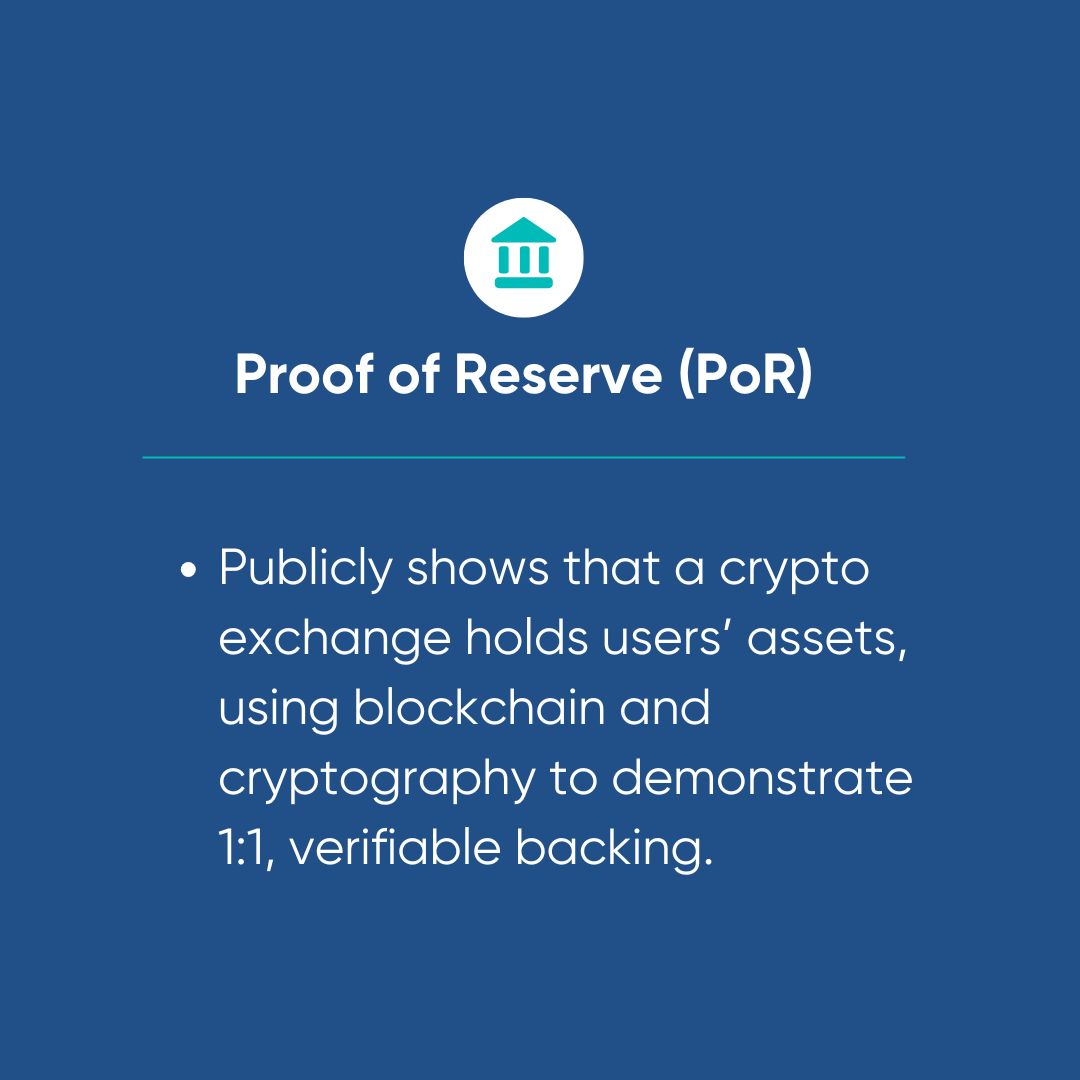
Proof of reserves (PoR) limitations stem from the fact that a cryptographic snapshot of on-chain assets completely ignores a firm’s off-chain liabilities, operating debts, and structural risk controls. While a PoR attestation successfully proves that an entity controls specific public blockchain addresses containing a certain amount of capital at a precise millisecond in time, it does not provide a holistic view of financial health. It fails to guarantee that those assets are not simultaneously pledged as collateral elsewhere, nor does it prove that the firm’s total liabilities are less than its current holdings.
To analyze these vulnerabilities thoroughly, we look at the Complete Solvency Equation Framework. This structural economic model demonstrates that cryptographic visibility over one variable cannot substitute for complete balance sheet auditing:
True Operational Solvency = Cryptographic On-Chain Reserves – (Off-Chain Liabilities + Operational Risk Vectors)
When an investment platform or digital custodian relies solely on asset-backing snapshots, it ignores the operational liabilities and governance structures that dictate whether those assets will actually survive a sudden market shock. True digital asset transparency requires evaluating the entire operational pipeline rather than accepting a static, one-sided data point.
The Hidden Capital Gaps in Cryptographic Snapshots
The fundamental appeal of blockchain technology is its ability to provide real-time, mathematically verifiable evidence of asset ownership. In traditional finance, verifying reserves requires manual quarterly audits and trust in centralized clearing institutions. In digital asset management, cryptographic proofs use Merkle trees, data structures that securely summarize account balances, to allow users to verify that their funds are included in the pool of holdings.
However, treating a static asset snapshot as complete proof of solvency creates a dangerous false sense of security. The operational divide between on-chain asset verification and comprehensive financial health reveals why a single attestation is insufficient:
| Transparency Indicator | What Proof of Reserves Proves | What Proof of Reserves Completely Ignores |
|---|---|---|
| Asset Balances | Cryptographic control of specific wallets | Total off-chain liabilities and customer debts |
| Time Horizon | A single, isolated block timestamp | Intraday asset shifting and structural leverage |
| Risk Environment | On-chain asset presence | Custody segregation quality and corporate governance |
When evaluating these systemic blind spots, market participants must confront three core limitations:
- The Missing Liability Equation: A firm can display one billion dollars in bitcoin on-chain, but if they owe two billion dollars to institutional lenders off-chain, they are fundamentally insolvent. PoR cannot natively track un-indexed, off-chain, or real-world legal obligations.
- Intraday Window Dressing: Because standard PoR attestations occur at predetermined intervals, an untrustworthy entity can temporarily borrow capital to inflate its wallet balances right before the cryptographic snapshot is taken, returning the borrowed funds immediately afterward.
- Flawed Custody Segregation: Merely proving that assets exist does not guarantee they are legally and structurally isolated. If user assets are commingled with corporate operating capital on the same ledger, those assets remain highly vulnerable to corporate liquidation or regulatory freezes.
Beyond the Balance Sheet: Operational Reliability and Continuity
Achieving genuine security within the digital asset ecosystem requires moving beyond simple cryptographic metrics and adopting comprehensive operational due diligence. Ensuring survival during high-volatility events demands an evaluation of a platform’s total infrastructure.
Regulatory and Custodial Segregation
First, platforms must implement strict, legally binding custody segregation frameworks. True security means that client assets are held in bankruptcy-remote vehicles, separated from the operating company’s balance sheet. This structure ensures that even if the custodian faces legal or financial distress, the underlying digital commodities remain the uncompromised property of the individual allocators.
Algorithmic Redemption Behavior
Second, a platform’s real-time redemption infrastructure must be stress-tested against extreme market withdrawals. During a liquidity crisis, a rush of redemption requests can cause network congestion or overwhelm a platform’s internal settlement pipelines. True operational resilience requires automated liquidity bridges and tiered cold-storage management systems that can process large-scale withdrawals smoothly without triggering structural halts.
Service Continuity and Governance Controls
Third, corporate governance and service continuity planning must be built to withstand external disruptions. If a major data center fails or a key management team faces a sudden operational bottleneck, the system must possess decentralized multi-signature protocols and geographically redundant infrastructure to maintain constant uptime. Cryptographic proof is meaningless if an organization lacks the internal controls to access and manage those reserves during an emergency.
Kenson View: Cultivating a Comprehensive View of Risk
At Kenson Investments, our perspective is that true clarity in the digital age requires analyzing the hidden operational machinery, not just the visible on-chain data. We recognize that while cryptographic verification is a valuable step forward for the financial industry, letting it overshadow broader corporate governance represents a major oversight. Many market participants are easily satisfied by superficial transparency reports, failing to realize that structural safety is built on operational discipline, robust legal formatting, and meticulous liability tracking.
Our approach emphasizes that digital asset management cannot rely on shortcuts or single-factor solutions. We believe that true structural resilience is only achieved when cryptographic evidence is matched with institutional-grade corporate compliance, independent third-party accounting, and flawless custody protocols. Through our educational research, we urge our community to look beyond localized token data and analyze the complete corporate and operational architecture of the entities they interact with.
By mastering this holistic perspective, individuals can safely differentiate between superficial marketing claims and the durable financial platforms capable of weathering long-term systemic shifts.
Establishing an Institutional Standard for Digital Assets
The digital asset industry is rapidly outgrowing its early, simplified frameworks. As global capital continues to integrate with decentralized ledgers, the standard for corporate transparency must evolve from basic on-chain snapshots to full-scope, institutional-grade financial disclosures. Relying entirely on localized asset-backing data leaves market participants exposed to the very structural failures that modern decentralized architecture was designed to avoid.
Understanding the boundary where math meets operational execution is essential for anyone tracking the future of wealth preservation. By demanding complete balance sheet visibility, rigorous internal risk audits, and absolute legal segregation of assets, the digital ecosystem can establish a truly robust financial foundation. Structured education remains the single most powerful tool for evaluating these complex operating models before systemic volatility exposes their vulnerabilities.

Kenson Investments – Your Educational Partner in the Digital Age
At Kenson Investments, we are dedicated to transforming complex technological shifts into clear, actionable financial literacy. We believe that understanding proof of reserves limitations represents a vital step in mastering digital asset transparency, but navigating this evolving space requires a deep commitment to systemic analysis. As an educational platform, we focus on providing the deep insights, rigorous research, and foundational frameworks you need to comprehend the underlying realities of digital market risk.
Explore our services through a cryptocurrency investment consultant, learn more about RWA tokenization investment, read up on institutional supply chain digitization, and discover insights on AI cloud mining.
Join our educational community today.
Disclaimer: The information provided on this page is for educational and informational purposes only and should not be construed as financial advice. Cryptocurrency assets involve inherent risks, and past performance is not indicative of future results. Always conduct thorough research and consult with a qualified financial advisor before making investment decisions.
“The cryptocurrency and digital asset space is an emerging asset class that has not yet been regulated by the SEC and the US Federal Government. None of the information provided by Kenson LLC should be considered as financial investment advice. Please consult your Registered Financial Advisor for guidance. Kenson LLC does not offer any products regulated by the SEC, including equities, registered securities, ETFs, stocks, bonds, or equivalents.”