








Collateral has always been about trust. In traditional markets, that trust is built through intermediaries, audits, and reporting cycles. In digital financial systems, transparency is replacing many of those layers.
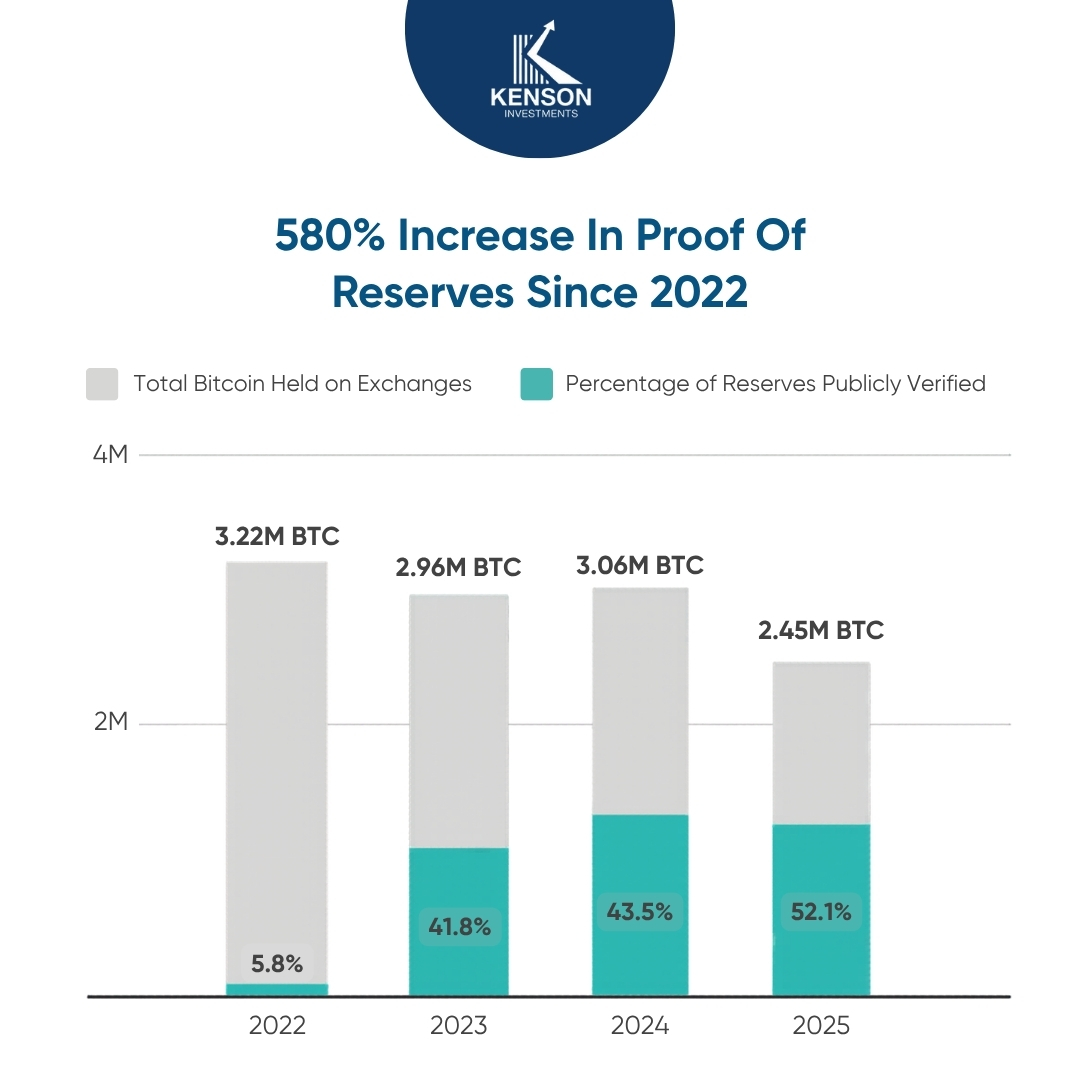
For allocators engaged in digital asset investments, the shift toward visible reserves, onchain verification, and real-time transaction histories is not simply a technological upgrade. It is a structural change in how counterparty risk is assessed and managed.
Transparency introduces clarity, but it also introduces new expectations. Investors must now interpret continuous data flows rather than rely on periodic disclosures. This changes how collateral confidence is formed, maintained, and tested under stress.
From Opaque Balance Sheets to Verifiable Reserves
Traditional collateral systems rely heavily on trust in reporting. Balance sheets are audited periodically, and counterparties depend on intermediaries to confirm the existence and quality of pledged assets.
In contrast, tokenized systems enable direct verification. Wallet balances, transaction histories, and collateral positions can be observed onchain in real time.
By 2026, several major stablecoin issuers and digital asset platforms have implemented proof-of-reserve mechanisms, allowing users to verify asset backing independently. This has become a baseline expectation for institutional participation.
For firms engaged in consulting on digital asset management, this shift requires redefining due diligence processes. Verification moves from document-based analysis to data-driven validation.
Transparency reduces information asymmetry. It does not eliminate risk.
Transparency and Counterparty Confidence
Counterparty confidence is directly tied to visibility. When collateral can be verified continuously, the perceived risk of hidden exposure decreases.
This is particularly relevant in markets where leverage and collateral reuse are common. In traditional systems, rehypothecation can obscure asset ownership and availability. Onchain transparency provides a clearer view of how collateral is deployed.
For investors working with digital asset advisory services, this visibility improves the ability to assess:
- Collateral concentration across platforms
- Exposure to specific counterparties
- Real-time changes in asset allocation
These insights support more informed decision-making within investment analysis and portfolio management frameworks.
However, transparency also exposes weaknesses quickly. If reserves are insufficient or misaligned, the market reacts immediately.
Stablecoins, Transparency, and Confidence Cycles
Stablecoins are a central example of how transparency influences collateral confidence. Their value depends on the perceived reliability of underlying reserves.
In recent years, the market has demonstrated sensitivity to reserve disclosures. Announcements regarding asset composition, liquidity profiles, or custodial arrangements have triggered rapid inflows or outflows.
By 2026, stablecoin market capitalization has exceeded $180 billion, with daily transaction volumes often surpassing $100 billion. This scale amplifies the importance of transparency.
For those considering stablecoins for investment, confidence is not based solely on peg stability. It is based on the ability to verify reserves and understand how they are managed.
Institutional frameworks evaluating digital asset investment solutions increasingly differentiate between:
- Fully verifiable reserves with high liquidity backing
- Partially disclosed reserves with higher uncertainty
This distinction directly affects collateral eligibility and usage across platforms.
Onchain Verification and Real-Time Risk Awareness
One of the defining features of digital financial systems is the ability to verify collateral in real time. This capability changes how risk is monitored.
In traditional markets, risk assessments are periodic. In digital systems, they are continuous.
For firms offering digital asset management consulting services, this requires integrating monitoring systems that can process large volumes of onchain data. Alerts must be triggered when collateral levels change, not after reporting cycles conclude.
This is particularly important in environments with automated liquidation mechanisms. In decentralized finance, collateral thresholds are enforced instantly based on price feeds and onchain data.
Investors navigating DeFi finance assets with consultants must account for:
- Oracle reliability
- Latency in price feeds
- Smart contract enforcement of collateral ratios
These factors determine how quickly transparency translates into action.
Transparency and Liquidity Behavior
Transparency influences liquidity behavior in two key ways.
First, it improves confidence. When participants trust that collateral is sufficient and verifiable, they are more willing to provide liquidity. This deepens markets and reduces spreads.
Second, it accelerates reactions. When negative information becomes visible, liquidity can withdraw quickly.
This dual effect creates a more responsive market environment.
For allocators engaged in crypto asset management, understanding this dynamic is critical. Transparency does not stabilize markets by itself. It amplifies both confidence and concern.
This is particularly evident when comparing altcoins vs. major cryptocurrencies. Larger assets tend to benefit from greater transparency and deeper liquidity, while smaller assets may experience sharper reactions to changes in collateral visibility.

The Role of Structured Advisory in Interpreting Transparency
Transparency without interpretation can be misleading. Data must be contextualized within broader market conditions.
This is where structured advisory frameworks play a role.
Firms providing blockchain and digital asset consulting support investors in translating onchain data into actionable insights. This includes:
- Identifying meaningful changes in collateral positions
- Distinguishing between normal fluctuations and systemic risk
- Evaluating the reliability of data sources
For institutions evaluating digital asset consulting firms, the ability to interpret transparency is a key differentiator. Raw data is abundant. Insight is not.
This has led to the development of customized digital asset consulting solutions that align monitoring systems with specific portfolio objectives.
Transparency, Compliance, and Institutional Participation
Regulatory expectations are evolving alongside technological capabilities. Transparency is increasingly viewed as a requirement rather than an advantage.
Frameworks focused on digital asset consulting for compliance emphasize:
- Clear disclosure of collateral composition
- Verifiable reserve structures
- Auditability of onchain activity
These requirements support broader institutional adoption by reducing uncertainty.
For a global digital asset consulting firm, aligning transparency with compliance frameworks is essential. Institutions require confidence that collateral structures meet both operational and regulatory standards.
How Kenson Approaches This
Transparency is treated as a foundational input, not a guarantee of safety.
Within Kenson’s framework, collateral confidence is built through layered verification. Onchain data is combined with independent validation processes to ensure accuracy and completeness.
Visibility is assessed across multiple dimensions:
- Reserve composition and liquidity quality
- Collateral distribution across platforms
- Stability of valuation mechanisms
Real-time monitoring systems are used to track changes continuously, but decisions are guided by structured thresholds rather than reactive responses.
DeFi Transparency and Structural Risk
Decentralized finance represents the most transparent segment of digital financial systems. All transactions, collateral positions, and smart contract interactions are visible onchain.
Yet transparency does not eliminate structural risk.
Smart contract vulnerabilities, oracle manipulation, and governance failures can still impact collateral confidence. In some cases, transparency accelerates the market’s response to these risks.
For those engaged in decentralized finance advisory, evaluating transparency involves assessing:
- Code audit quality
- Governance structures
- Dependency on external data sources
Investors relying on DeFi finance consulting services must recognize that visibility is only one component of reliability.
The Evolution of Collateral Confidence
Collateral confidence is evolving from trust-based to verification-based models.
This shift has several implications:
- Reduced reliance on intermediaries
- Increased demand for real-time data analysis
- Greater sensitivity to changes in collateral visibility
For investors navigating the digital asset market, this requires adapting to a new form of market behavior. Confidence is no longer built over time. It can change within minutes.
This is particularly relevant in investing in the digital age, where information flows continuously and market responses are immediate.
Strategic Implications for Allocators
For allocators evaluating digital asset management services, transparency introduces both opportunity and responsibility.
Key considerations include:
- Selecting platforms with verifiable collateral structures
- Implementing monitoring systems for continuous oversight
- Maintaining conservative assumptions regarding collateral stability
These practices align with broader best practices in digital asset consulting, where clarity and discipline support capital preservation.
Build Confidence Through Verified Transparency
Transparency is reshaping how trust is established in digital financial systems. But visibility alone is not enough. It must be paired with structured analysis and disciplined decision-making.
Kenson Investments focuses on helping investors interpret transparency, assess collateral confidence, and navigate evolving market structures with clarity.
Learn with us how comprehensive digital asset consulting services support more informed positioning through data-driven insights, operational discipline, and a commitment to long-term capital protection.
Disclaimer: The information provided on this page is for educational and informational purposes only and should not be construed as financial advice. Crypto currency assets involve inherent risks, and past performance is not indicative of future results. Always conduct thorough research and consult with a qualified financial advisor before making investment decisions.
“The crypto currency and digital asset space is an emerging asset class that has not yet been regulated by the SEC and US Federal Government. None of the information provided by Kenson LLC should be considered as financial investment advice. Please consult your Registered Financial Advisor for guidance. Kenson LLC does not offer any products regulated by the SEC including, equities, registered securities, ETFs, stocks, bonds, or equivalents”