







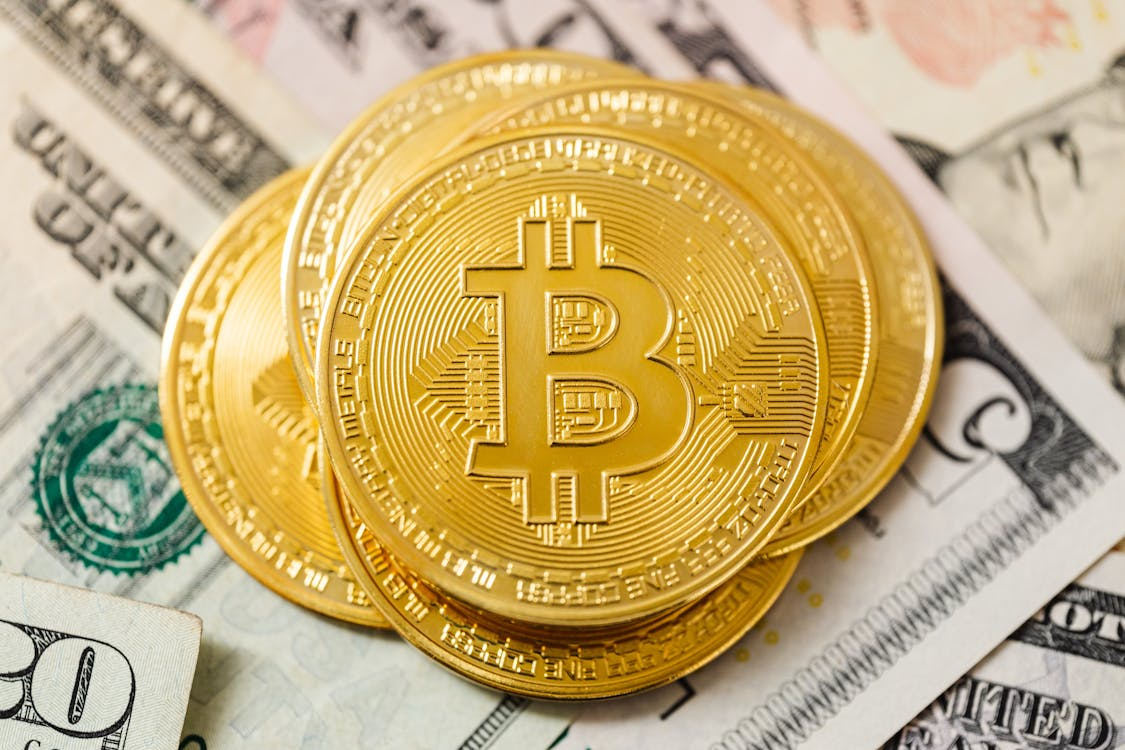
A rise in inflation often reshapes how individuals and institutions think about value preservation. When the purchasing power of fiat currency weakens, interest in alternatives tends to accelerate — especially assets with limited supply models. That has placed Bitcoin back into the conversation as inflation pressures show up in consumer costs, money-supply expansion, and declining real-wage power.
A Fixed Supply in an Expanding Money Environment
Bitcoin operates on a transparent issuance schedule that caps total supply at 21 million units. This programmed scarcity contrasts with government-issued currencies, which can expand rapidly during periods of fiscal or monetary intervention.
When the circulating supply of fiat increases at a faster rate than economic output, the value of that currency can decline — a dynamic that draws attention to assets with hard supply limits.
Research and market data highlight that some individuals view Bitcoin as a way to hold value outside traditional monetary systems. Its limited issuance and decentralized validation process create characteristics that may appear attractive when inflation accelerates and savings accounts lose purchasing power.
Lost or inaccessible Bitcoin — from misplaced private keys or abandoned wallets — further reduces the active circulating supply. While estimates vary, several studies suggest a meaningful amount of Bitcoin may no longer be retrievable, which tightens effective supply even more during periods of elevated demand.
Demand Pressure vs. Limited Supply: Conditions for Price Reaction
Periods of rising prices often push individuals to explore assets that are not directly influenced by central bank decisions. When inflation rises, the real value of cash erodes, making some holders more attentive to assets that can potentially behave differently. In such moments, demand for Bitcoin can increase as people look for alternatives that are not tied to fiat monetary expansion.
If demand strengthens while accessible supply remains limited, pricing can react quickly. Bitcoin trades globally, with a large portion held long-term in wallets that rarely move coins onto exchanges. This reduces available liquidity during high-interest periods, amplifying the sensitivity of the asset to shifts in demand.
These supply dynamics have been evident in multiple market cycles. When participants temporarily withdraw coins from exchanges, the available float contracts. Under inflationary strain, even modest increases in buying interest can produce outsized market responses because fewer units are accessible for trading.

Inflation Sensitivity Varies by Region
The degree to which Bitcoin might serve as a hedge appears to depend on economic context. In emerging markets — where inflation tends to hit harder and fiat currencies are more volatile — Bitcoin’s attributes may be more appealing.
In stable developed economies, however, the relationship becomes more uncertain. The sensitivity of Bitcoin to broader macro trends — such as interest-rate policy, dollar strength, and global liquidity — means inflation alone may not determine outcomes.
Explore Digital Asset Market Education With Kenson Investments
At Kenson Investments, we provide educational resources and general market insights designed to help individuals understand how digital assets behave during different economic conditions. Bitcoin’s scarcity-based design continues to generate discussion during inflationary periods, but it remains a high-volatility digital asset that requires careful evaluation.
If you’re looking to deepen your understanding of how inflation can influence digital-asset markets, our digital asset consultants can walk you through the mechanics, risks, and market structure considerations shaping today’s ecosystem.
Register now to stay on top of the game with innovative digital asset consulting solutions.
Disclaimer: The information provided on this page is for educational and informational purposes only and should not be construed as financial advice. Crypto currency assets involve inherent risks, and past performance is not indicative of future results. Always conduct thorough research and consult with a qualified financial advisor before making investment decisions.
“The crypto currency and digital asset space is an emerging asset class that has not yet been regulated by the SEC and the US Federal Government. None of the information provided by Kenson LLC should be considered as financial investment advice. Please consult your Registered Financial Advisor for guidance. Kenson LLC does not offer any products regulated by the SEC, including equities, registered securities, ETFs, stocks, bonds, or equivalents.”