








Whale accumulation refers to large holders (often with millions of dollars in crypto) quietly increasing their stakes. Detecting this behavior early can give you a window into where smart money is positioning before broader market moves. In 2025, on-chain transparency tools and analytic models have matured, making it possible to read whale signals more reliably than ever.
Whale Accumulation Signals: What the Data Shows
- Exchange Outflows
One of the earliest signals of accumulation is large transfers of tokens offexchanges into private or cold wallets. When wallet addresses with large balances receive these inflows, it often indicates a long-term hold strategy. For example, recent data reveals that whale addresses added millions of LINK tokens while simultaneously pulling supply from exchange balances. - Increases in Large-Balance Wallets
On-chain tools can identify whether wallets holding, say, “10,000+ tokens” or “1M+ tokens” are increasing in number or balance. A rise in such addresses suggests that not just one, but multiple large holders are buying, reducing concentration risk. - Low Sell Volume During Accumulation
A strong accumulation phase often occurs with minimal corresponding sell pressure. Whale accumulation tends to coincide with reduced transaction volume on the sell side—i.e., fewer tokens moving to exchanges or being sold. This asymmetry in inflow/outflow is a signal of accumulation strength. - Layered Buy Orders and Gas Patterns
Whales sometimes layer orders across price points. By watching transaction fees, block timing, and aggregation patterns, one can spot accumulation as whales staggered buys instead of a single large block. These patterns appear in mempool and block-level monitoring tools. - Correlation With Price Stabilization
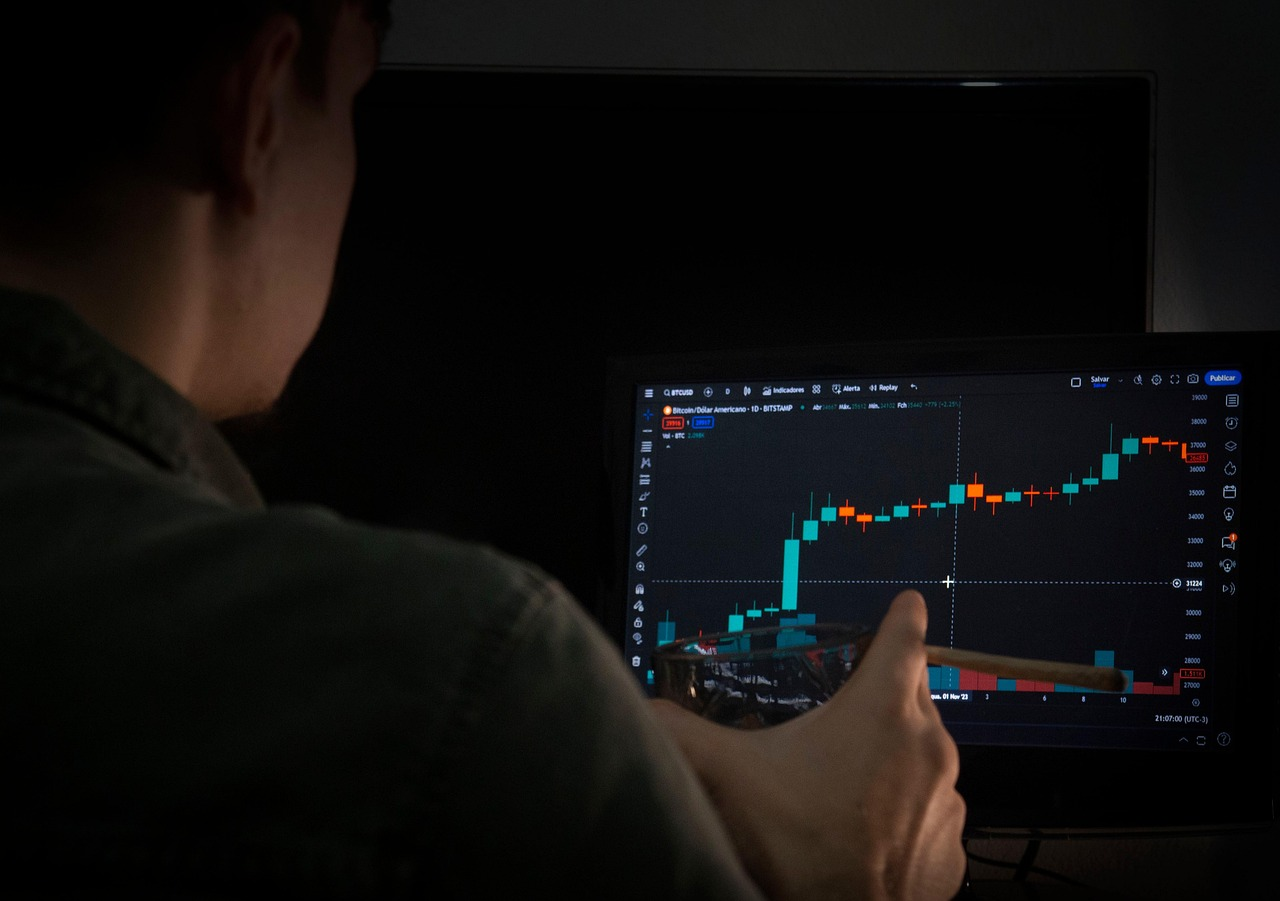
As accumulation increases, price often enters tighter ranges. Traders often observe support zones become firmer, and volatile drops are muted. In recent days, DOGE has held support near $0.25 while whale and mid-tier accumulation picked up — a classic example of layering in the accumulation phase.
How to Act When You Detect Accumulation
When these signals align, participants may consider entering positions early—but with discipline:
- Start with scaled entries: Instead of going full size, enter partial exposure gradually as accumulation confirms.
- Set thresholds: Use on-chain thresholds (like a certain percentage of net accumulation over 24 hours) to guide entry points.
- Watch support levels: Confirm that accumulation is holding near technical support zones to reduce downside risk.
- Monitor exchange inflows: If exchange inflows spike (whale dumping starts), liquidity may collapse quickly.
- Use alerts and tools: Platforms that track large wallet movements (e.g., IntoTheBlock, Arkham, Glassnode) help you stay ahead of crowd signals.
Common Pitfalls & Risk Controls
Whale patterns are helpful indicators—but they’re not guarantees. Several precautions are vital:
- False accumulation: Some wallets aggregate tokens ahead of distribution to other wallets or coordinated sales.
- Pump-and-dump behavior: Large accumulation may precede sharp exits. Monitoring exit signals is as important as entry.
- Liquidity mismatches: Even if whales are buying, if markets lack liquidity, your entry may suffer slippage.
- Correlation extremes: Whale accumulation in one token may reflect a strategy shift away from another asset, not necessarily bullish conviction.
Risk controls like stop-losses, position caps, and strict entry discipline help navigate these uncertainties.
Why Whales Matter (Even Without the Hype)
Whales influence supply dynamics. Their accumulation reduces circulating liquidity, especially when tokens move off exchanges. Because they operate at scale, their directional shifts often force market participants to catch up.
Detecting their patterns via on-chain data is less about clairvoyance and more about reading the signals that already exist in ledger flows.
In 2025, rapid analytics and smarter wallets have made these signals more visible. The task now is to parse them correctly, remain disciplined, and act with precision—rather than chasing hype after the fact.
Monitor Smart Money, Strategize Wisely
At Kenson Investments, we incorporate whale wallet analytics into our institutional-grade research. By overlaying on-chain flow analysis on market forecasts, we help clients align tactics with underlying capital shifts.
If you’re developing a digital asset strategy and want to leverage smart money insights, reach out. Learn how our innovative solutions in digital asset consulting help you build frameworks that see whale signals clearly—and act with confidence.
Disclaimer: The information provided on this page is for educational and informational purposes only and should not be construed as financial advice. Crypto currency assets involve inherent risks, and past performance is not indicative of future results. Always conduct thorough research and consult with a qualified financial advisor before making investment decisions.
“The crypto currency and digital asset space is an emerging asset class that has not yet been regulated by the SEC and the US Federal Government. None of the information provided by Kenson LLC should be considered as financial investment advice. Please consult your Registered Financial Advisor for guidance. Kenson LLC does not offer any products regulated by the SEC, including equities, registered securities, ETFs, stocks, bonds, or equivalents.”