










Investors can lose digital assets without an exchange being hacked: a fake support message can trigger a withdrawal, while a deceptive application can obtain token-spending permission. Effective cryptocurrency security starts with verifying who controls an asset, what authority a request grants and where a transaction sends value. Even a strongly protected account cannot establish that the next instruction is legitimate.
Identify What an Attacker Can Target
The threat depends on custody. A self-custody investor normally controls signing authority and recovery credentials; a deceptive transaction, key leak or lost backup can cause losses. With a hosted account, login and withdrawal controls matter, but access also depends on the provider. An institution has additional insider, approval and segregation-of-duties exposure. The SEC custody bulletin distinguishes these custody responsibilities.
Map the account, wallet, recovery method and transfer authority before choosing safeguards. For a separate discussion of wallet arrangements, see Kenson’s secure storage guide rather than treating any one storage method as universally safe.
Four Checks That Interrupt Common Investor Attacks
Apply four checkpoints when signing in, evaluating a platform, moving assets or granting wallet permissions. If essential details cannot be independently confirmed, stop the process.
| Checkpoint | Control to verify | Stop signal |
|---|---|---|
| Account access | Unique password, phishing-resistant MFA where available; review recovery settings and alerts. | Unexpected login, recovery or device-registration prompt. |
| Platform or support | Confirm the operator and claims via official records; use verified contacts. | Requests for recovery words, urgent transfers or unlock fees. |
| Transfer or signature | Check recipient/spender, network, amount and permission before signing. | Mismatched address, unknown spender or unreadable request. |
| Provider custody | Review withdrawal terms, customer rights and service incidents. | Blocked withdrawals or unclear asset ownership and reuse. |
According to NIST SP 800-63B, manually entered one-time codes can be relayed by an impostor and are not phishing-resistant. Properly configured passkeys or FIDO2 security keys offer stronger authentication. Review registered devices and recovery methods because weaker fallback access can undermine protection. None of these measures verifies a later wallet signature.

https://unsplash.com/photos/a-close-up-of-a-keyboard-and-a-mouse-hd85YEhMKkc?
Filename: digital-asset-investor-account-authentication
Alt Text: Yellow Apple keyboard with a Touch ID fingerprint sensor and matching yellow mouse on a desk.
Caption: Device-based authentication can support safer account access, but investors should also verify their account recovery settings and withdrawal protections.
A Failure Scenario: Fake Support and a “Safe Wallet”
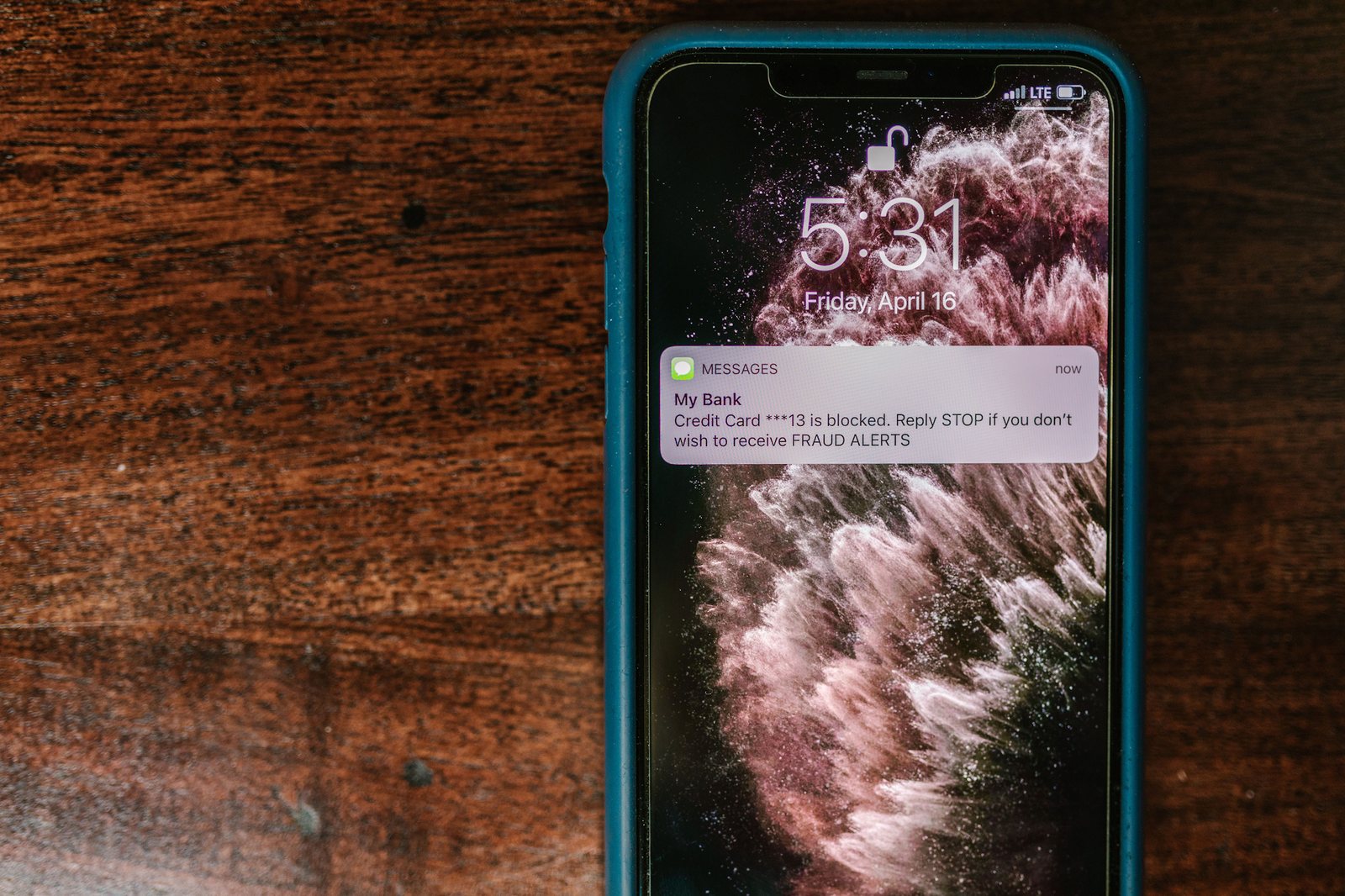
Hypothetical example: An investor receives a convincing exchange alert about suspicious activity. Someone claiming to be support gives a number to call and instructs the investor to withdraw holdings to a “safe wallet” before the account is frozen. The investor may still have a valid login and MFA, but these do not verify the destination address supplied by the caller.
Close the message and independently open the provider’s known website or app, or call a support number sourced separately from its official channel. Do not trust the alert’s link, QR code, caller ID or number. A padlock icon alone does not establish who operates a website. The FBI’s cryptocurrency fraud guidance documents impersonation, spoofed domains and withdrawal-fee traps. An on-chain transfer can be technically authorized and still send assets to a scammer.
Before depositing, verify the operator and any claimed license against relevant official records; inspect custody rights, withdrawal rules and fees. The FBI warns that scammers sometimes permit early withdrawals to build trust. Even a successful small withdrawal cannot establish legitimacy or solvency. Promises of high returns or demands for extra crypto to “unlock” a balance are serious warning signs.
Free educational tool
Are you ready for digital assets?
Seven quick questions on knowledge, mindset and goals, with one honest answer about where you stand.
Educational tool. Results are not investment advice.
Verify Wallet Permissions and Outgoing Transfers
Distinguish a direct transfer from approval for a contract to spend tokens. Before signing, verify the application, network, asset, full recipient or spender address, allowance and amount. Check pasted addresses against an independently confirmed recipient; tampered clipboard data or lookalike addresses may divert funds. Compare transaction details on a trusted signing display where available. Stop if a request is unreadable or unexpected.
Review and revoke unneeded token allowances using trusted tools where the network supports them. Ethereum’s guidance explains that disconnecting a dApp does not remove existing spending permission. Revocation limits future allowance use but cannot undo past transfers or cure an exposed signing key. Kenson’s phishing and social engineering analysis covers manipulation tactics in greater depth.
Respond According to What Was Compromised
Respond to the actual compromise. For suspected account takeover, use a trusted device and verified provider channel to change credentials, terminate sessions and request withdrawal restrictions. For an exposed signing key or recovery phrase, assume wallet authority is compromised and, if safely feasible, protect remaining funds with uncompromised keys. If only a token allowance is suspect, assess revocation. Never enter recovery words into a supposed support website.
Preserve transaction hashes, wallet addresses, amounts, timestamps, messages and relevant screenshots, but never share private keys or recovery phrases. Contact affected providers promptly and report fraud through the appropriate official channels. FBI’s reporting guidance identifies useful transaction evidence. Do not pay a purported recovery agent upfront; the FTC warns about recovery scams. Customer support generally cannot reverse a confirmed blockchain transfer.
For institutions, containment also needs designated incident owners, controlled suspension of signing, escalation and reconciliation; Kenson’s institutional recovery playbook covers that separate operational scope.
Prepare trusted support contacts and accessible transaction records before an emergency. Check wallet recovery instructions in a controlled environment, never through an unsolicited support session. Keep recovery secrets separate from general records, and identify who can act after device loss or provider disruption.
Digital Asset Investor Due-Diligence Checklist
For each material deposit or authorization, seek a verifiable answer rather than relying on screenshots or assurances:
1. Can the operator, official domain, support channel and any claimed authorization be independently checked?
2. Are phishing-resistant login options, account recovery routes and withdrawal alerts configured and reviewed?
3. Who controls signing authority, and what happens if a device, account or provider becomes unavailable?
4. Has the recipient or spender address, network, amount and precise permission been verified before signing?
5. Do documented custody and withdrawal terms explain fees, asset use and access restrictions?
6. When were existing token permissions, account sessions and unexpected alerts last reviewed?
7. Are trusted response contacts, transaction evidence and a safe recovery procedure available without exposing secrets?
Free educational tool
How healthy is your hypothetical portfolio?
Seven questions about how a hypothetical portfolio is structured, with three sub-scores and an overall Health Score out of 100.
Educational tool. Results are not investment advice.
Good Security Depends on the Decision Point
Investor security needs clear stopping rules: no verified counterparty, no deposit; no intelligible signature details, no approval. Prepare records and recovery access before an incident. Kenson Investments’ Knowledge Centre provides education on these decisions and on wider digital asset operational risk. Our custodian risk assessment covers institutional custodian evidence separately. For questions about Kenson’s educational digital asset research, speak with our digital asset specialists.
Disclaimer: The information provided on this page is for educational and informational purposes only and should not be construed as financial advice. Digital assets involve significant risk, including the possible loss of principal, and past performance is not indicative of future results. Always conduct thorough research and consult a qualified financial advisor before making investment decisions.
Digital asset regulation in the United States is still developing. Some areas, such as payment stablecoins, now have a federal framework, but comprehensive market-structure legislation has not yet been enacted. None of the information provided by Kenson LLC should be considered financial investment advice. Please consult your Registered Financial Advisor for guidance. Kenson LLC does not offer any products regulated by the SEC, including equities, registered securities, ETFs, stocks, bonds, or equivalents.



