








Bitcoin has long been at the center of environmental debates, especially around energy consumption and sustainability. In 2025, Bitcoin mining ESG analysis is a core concern for institutions evaluating long-term exposure to the asset class. The emergence of the Bitcoin Mining Council (BMC) has shifted the dialogue from reactive criticism to data-driven transparency, offering institutional players deeper insights into energy sourcing, efficiency trends, and global mining distribution.
Formed in 2021, the BMC is a voluntary global forum of Bitcoin mining companies and stakeholders aimed at standardizing reporting and improving public understanding of the energy usage and carbon footprint of Bitcoin. As of Q2 2025, it represents over 55% of the global hash rate and publishes quarterly reports on mining sustainability.
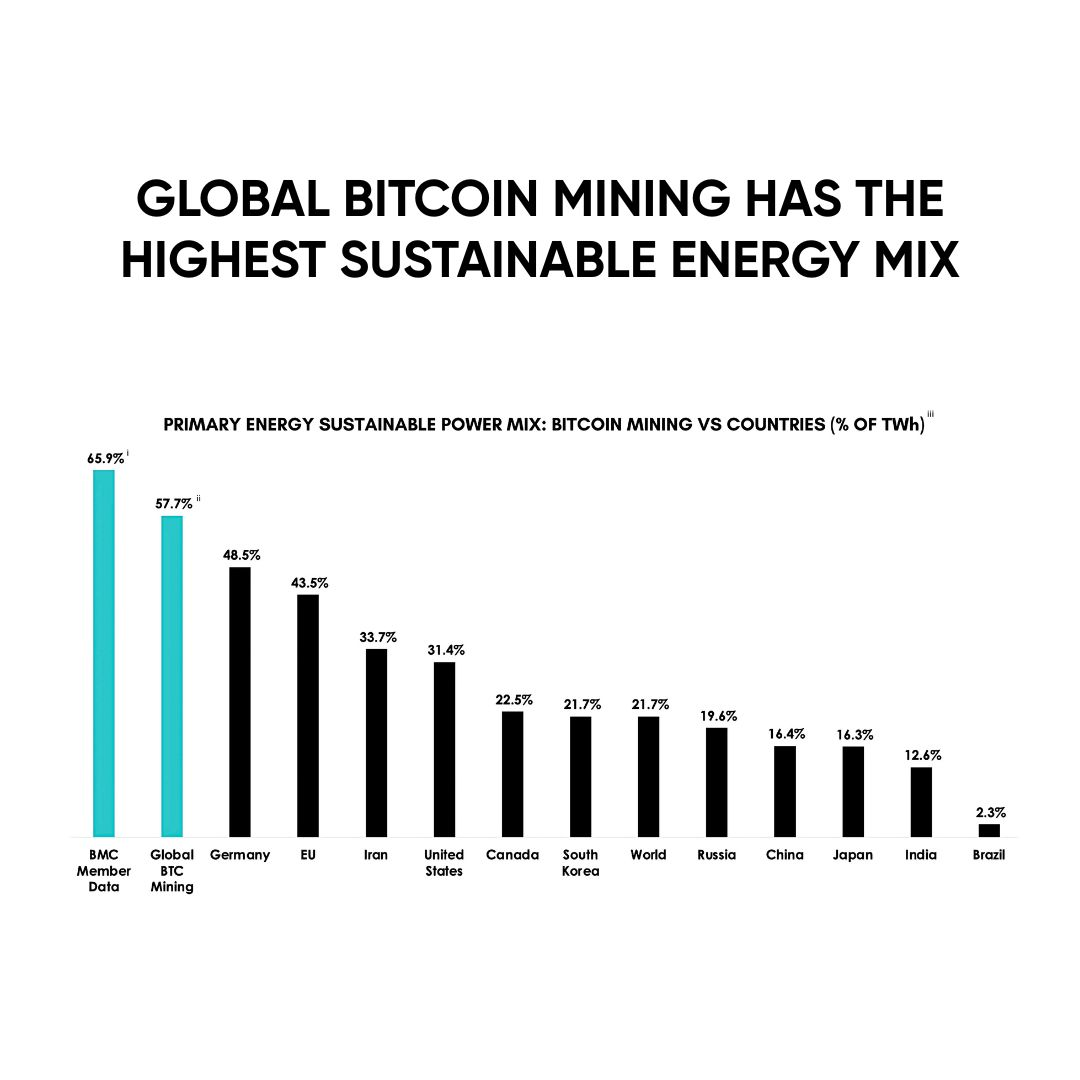
Verified Data Shows a Greener Bitcoin Network
According to the BMC’s April 2025 report, Bitcoin’s sustainable electricity mix reached 63.1%, driven largely by increased use of hydro, wind, solar, and nuclear energy sources. This is a significant increase from just 37% in 2021. Moreover, mining efficiency, measured in joules per terahash (J/TH), has improved by over 46% over the same period due to hardware upgrades and migration to lower-cost, renewable regions.
These improvements matter because they align Bitcoin with evolving environmental, social, and governance (ESG) criteria. As major asset managers expand ESG-linked portfolios, pressure is mounting to ensure that any digital asset exposure meets sustainability benchmarks.
Institutional ESG Screens: What They Look For
Institutional ESG filters now go beyond surface-level carbon data. Investment committees are asking:
- Are miners using renewable energy in a verifiable way?
- Is the mining operation located in jurisdictions with strong environmental oversight?
- Is the hash rate decentralized, reducing geopolitical risk?
- What safeguards are in place for network integrity and cyber resilience?
These questions reflect the broader compliance landscape. Firms engaged in digital asset consulting for compliance are now building ESG screens directly into their due diligence processes for Bitcoin and broader crypto asset management.
Why ESG Matters More in 2025
A tightening regulatory environment reinforces this trend. In the EU, the MiCA regulation now includes sustainability disclosures for digital asset products. Meanwhile, the U.S. SEC has signaled interest in greater transparency around crypto mining, especially for companies with public listings or institutional exposure.
Additionally, global asset allocators, including sovereign wealth funds and pension managers, are under growing pressure to ensure investments align with net-zero pledges. These investors are turning to global digital asset consulting firms to interpret ESG risks in crypto portfolios, including mining-related exposures.
Network Security as Institutional Concern
Security remains Bitcoin’s most defensible trait, and mining is its first line of defense. As the network’s hash rate grows—now surpassing 700 exahashes per second (EH/s)—so does its resistance to attack. The BMC and other analysts note that this increasing decentralization reduces single-point vulnerability, a key consideration for institutions focused on systemic risk.
This resilience bolsters confidence in Bitcoin as a digital asset investment solution, especially when viewed through the lens of investment analysis and portfolio management frameworks. Miners and infrastructure providers are also working with real world DeFi investment consultants to tokenize mining infrastructure and cash flows, bridging ESG and blockchain-based capital markets.
Notable Institutional Perspectives
Larry Fink, CEO of BlackRock, reiterated in a June 2025 interview that “Bitcoin is now seen not just as an inflation hedge but as an ESG-aligning sovereign store of value—especially with proof of sustainable mining.” Meanwhile, Cathie Wood of ARK Invest emphasized that the network’s improving energy mix could make Bitcoin “one of the greenest monetary systems ever created.”
On the policy side, the Biden-Trump transition has continued a pro-infrastructure approach. The Department of Energy is working with mining firms to pilot demand-response systems and surplus energy redistribution in Texas and the Midwest. These energy grid integrations not only reduce strain but actively support regional decarbonization—an important narrative for digital asset management services seeking ESG alignment.
ESG Tokenization and Mining Integration
As the market for real world assets on chain investment consultants expands, Bitcoin mining is emerging as a unique candidate for tokenization. Green mining certificates, hash rate tokens, and carbon credits linked to mining operations are being explored by security tokens and RWA tokenization investment consultants as part of ESG-anchored product development.
In particular, blockchain and digital asset consulting firms are tracking pilot programs in the UAE and Switzerland where mining-backed assets are being tested for inclusion in ESG funds.
Institutional Takeaways
For institutions, the debate around Bitcoin and ESG is no longer binary. It is about credible data, jurisdictional risk, long-term energy trends, and integration into regulated frameworks. In this evolving environment, ESG-aligned Bitcoin exposure is becoming a competitive differentiator, not a liability.

Firms working with crypto investment and portfolio management consultants are incorporating these ESG insights to design defensible, long-term strategies that meet both performance and sustainability mandates.
Final Thoughts
The BMC’s efforts, coupled with maturing mining economics and policy engagement, are reshaping the perception of Bitcoin’s environmental impact. For institutions, this is not just a public relations issue—it’s a material component of due diligence.
As regulatory frameworks advance and sustainable infrastructure becomes a differentiator, institutions will continue to lean on blockchain and DeFi finance consulting services to navigate the ESG dimensions of digital assets.
Empowering Institutional Understanding
At Kenson, we provide educational market insights tailored for institutional participants seeking clarity in a fast-evolving digital asset landscape. Our research covers energy trends, governance frameworks, and emerging tokenization models.
Ready to explore how ESG aligns with digital asset strategy? Connect with Kenson Investments to deepen your understanding of blockchain infrastructure and the evolving role of mining in institutional frameworks.
Disclaimer: The information provided on this page is for educational and informational purposes only and should not be construed as financial advice. Crypto currency assets involve inherent risks, and past performance is not indicative of future results. Always conduct thorough research and consult with a qualified financial advisor before making investment decisions.
“The crypto currency and digital asset space is an emerging asset class that has not yet been regulated by the SEC and US Federal Government. None of the information provided by Kenson LLC should be considered as financial investment advice. Please consult your Registered Financial Advisor for guidance. Kenson LLC does not offer any products regulated by the SEC including, equities, registered securities, ETFs, stocks, bonds, or equivalents”